Can CKD Really Be Slowed?Tunay Ba Itong Mapapabagal ang CKD?Tinuod Ba nga Mapahintay ang CKD? Tunay Ba Itong Mapapabagal ing CKD?
Yes — definitively. CKD progression is not inevitable. The rate at which kidney function declines varies enormously between patients. With optimal management, many patients remain stable for decades. The difference between fast and slow progression is largely determined by how well risk factors are treated — not by luck.Oo — tiyak. Ang pagsulong ng CKD ay hindi inevitável. Ang bilis ng pagbaba ng function ng bato ay malaki ang pagkakaiba sa pagitan ng mga pasyente. Sa pinakamainam na pamamahala, maraming pasyente ang nananatiling matatag sa loob ng mga dekada. Ang pagkakaiba sa pagitan ng mabilis at mabagal na pagsulong ay malaking bahagi na tinutukoy ng kung gaano kahusay ang paggamot sa mga risk factor — hindi ng swerte.Oo — tiyak. Ang pagsulong sa CKD dili inevitável. Ang bilis sa pagkubos sa function sa bato lahi kaayo sa taliwala sa mga pasyente. Sa pinakamainam nga pamamahala, daghang pasyente nagpabilin nga matatag sulod sa mga dekada. Ang kalainan sa taliwala sa paspas ug hinay nga pagsulong dako nga bahin nga gitino sa kung unsa ka maayo ang pagtambal sa mga risk factor — dili sa suwerte. Oo — tiyak. Ing pagsulong ning CKD ya ali inevitável. Ing bilis ning pagbaba ning function ning batu ya malaki ing pagkakaiba king pagitan ning deng pasyente. King pinakamainam a pamamahala, dacal a pasyente ing nananatiling matatag king loob ning deng dekada. Ing pagkakaiba king pagitan ning mabilis at mabagal a pagsulong ya malaking bahagi a tinutukoy ning nung gaano kahusay ing paggamut king deng risk factor — ali ning swerte.
The way I explain this in clinic — the MRT analogyKung paano ko ito ipinaliliwanag sa klinika — ang paghahalintulad sa MRTKung unsaon nako kini pagpojliwa sa klinika — ang MRT analogy Nung paano ko ini ipinaliliwanag king klinika — ing paghahalintulad king MRT
Think of CKD like riding the MRT. There is a final destination, and the train is moving. What we are trying to influence is the speed of the train — not whether the journey ends. Whether you arrive fast or arrive late depends on your discipline with medications, blood pressure, blood sugar, salt, and follow-up. For some patients the train slows to a crawl and never reaches the last station in their lifetime. For others, missed medications and uncontrolled BP put it on express. The choices on this page are how you slow the train.Isipin ang CKD tulad ng pagsakay sa MRT. May huling destinasyon, at ang tren ay gumagalaw. Ang sinusubukan naming impluwensyahan ay ang bilis ng tren — hindi kung matatapos ang biyahe. Kung mabilis o late kayo darating ay nakasalalay sa inyong disiplina sa mga gamot, presyon ng dugo, asukal sa dugo, asin, at follow-up. Para sa ilang pasyente ang tren ay bumagal nang husto at hindi kailanman umabot sa huling istasyon sa kanilang buhay. Para sa iba, ang nalalagpasang gamot at hindi kontroladong BP ay naglalagay nito sa express. Ang mga pagpiling nasa pahinang ito ang paraan ng pagpapabagal ng tren.Hunahunaa ang CKD sama sa pagsakay sa MRT. Adunay katapusang destinasyon, ug ang tren nagpalihok. Ang atong gisulayan nga impluwensyahan mao ang bilis sa tren — dili kung matapos ang biyahe. Kung paspas o late kamo moabot nagsalig sa imong disiplina sa mga tambal, presyon sa dugo, asukal sa dugo, asin, ug follow-up. Alang sa pipila ka pasyente ang tren naghinay nang husto ug wala kailanmang moabot sa katapusang istasyon sa ilang kinabuhi. Alang sa uban, ang nalaktang tambal ug wala kontroladong BP nagbutang niini sa express. Ang mga pagpili sa pahinang kini mao ang paagi sa pagpahinay sa tren. Isipin ing CKD tulad ning pagsakay king MRT. Atin huling destinasyon, at ing tren ya gumagalaw. Ing sinusubukan naming impluwensyahan ya ing bilis ning tren — ali nung matatapos ing biyahe. Nung mabilis o late kayu darating ya nakasalalay king inyu disiplina king deng gamut, presyon ning daya, asukal king daya, asin, at follow-up. Para king ilang pasyente ing tren ya bumagal nang husto at ali kailanman umabot king huling istasyon king kanilang biye. Para king iba, ing nalalagpasang gamut at ali kontroladong BP ya naglalagay nini king express. Ing deng pagpiling nasa pahinang ini ing paraan ning pagpapabagal ning tren.
What "slowing progression" meansAno ang ibig sabihin ng "pagpapabagal ng pagsulong"Unsa ang kahulogan sa "pagpahinay sa pagsulong" Ano ing ibig sabihin ning "pagpapabagal ning pagsulong"
Normal aging causes estimated glomerular filtration rate (eGFR) to fall ~1 mL/min/year after age 40. CKD without intervention falls 3–10+ mL/min/year. With optimal management, decline can approach or match normal aging — effectively preserving kidney function for decades.Ang normal na pagtanda ay nagdudulot ng pagbaba ng eGFR ng ~1 mL/min/taon pagkatapos ng edad 40. Ang CKD nang walang interbensyon ay bumababa ng 3–10+ mL/min/taon. Sa pinakamainam na pamamahala, ang pagbaba ay maaaring malapit o makatugma sa normal na pagtanda — epektibong pinapanatili ang function ng bato sa loob ng mga dekada.Ang normal nga pagtanda nagdulot sa pagkubos sa eGFR og ~1 mL/min/tuig human sa edad 40. Ang CKD nga walay interbensyon mohulog og 3–10+ mL/min/tuig. Sa pinakamainam nga pamamahala, ang pagkubos mahimong moduol o makatugma sa normal nga pagtanda — epektibong nagpreserba sa function sa bato sulod sa mga dekada. Ing normal a pagtanda ya nagdudulot ning pagbaba ning eGFR ning ~1 mL/min/banua kapabanuan ning edad 40. Ing CKD nang alang interbensyon ya bumababa ning 3–10+ mL/min/banua. King pinakamainam a pamamahala, ing pagbaba ya maaaring malapit o makatugma king normal a pagtanda — epektibong pinapanatili ing function ning batu king loob ning deng dekada.
Every percentage point mattersBawat porsyento ay mahalagaMatag porsyento mahinungdanon Bawat porsyento ya importante
A 30% reduction in the rate of progression can delay dialysis by 5–10 years. That is 5–10 years of normal eating, normal activity, no needles, no schedules. The cumulative benefit of small consistent improvements is enormous.Ang 30% na pagbawas sa bilis ng pagsulong ay maaaring mapaliban ang dialysis ng 5–10 taon. Iyon ay 5–10 taon ng normal na pagkain, normal na aktibidad, walang karayom, walang iskedyul. Ang kumulatibong benepisyo ng maliliit na tuluy-tuloy na pagpapabuti ay napakalaki.Ang 30% nga pagkubos sa bilis sa pagsulong mahimong mapalangan ang dialysis og 5–10 ka tuig. Kana 5–10 ka tuig sa normal nga pagkaon, normal nga aktibidad, walay dagom, walay iskedyul. Ang kumulatibong benepisyo sa gagmay nga tuloy-tuloy nga mga pagpaayo dako kaayo. Ing 30% a pagbawas king bilis ning pagsulong ya maaaring mapaliban ing dialysis ning 5–10 banua. Iyun ya 5–10 banua ning normal a pamangan, normal a aktibidad, alang karayom, alang iskedyul. Ing kumulatibong benepisyo ning maliliit a tuluy-tuloy a pagpapabuti ya napakalaki.
What Drives CKD Progression?Ano ang Nagpapatakbo ng Pagsulong ng CKD?Unsa ang Nagpahinabo sa Pagsulong sa CKD? Ano ing Nagpapatakbo ning Pagsulong ning CKD?
Almost all chronic kidney disease — whatever started it (diabetes, high blood pressure, glomerulonephritis, repeated infections) — progresses through one shared final pathway. Understanding that pathway is empowering, because every proven treatment on this page works by interrupting it. You are not fighting a mystery; you are slowing a process we can name and measure.Halos lahat ng chronic kidney disease — anuman ang pinagmulan nito (diabetes, altapresyon, glomerulonephritis, paulit-ulit na impeksyon) — ay sumusulong sa iisang magkatulad na huling daan. Ang pag-unawa sa daang iyon ay nagbibigay-lakas, dahil bawat napatunayang lunas sa pahinang ito ay gumagana sa pamamagitan ng pagputol nito. Hindi ka lumalaban sa isang misteryo; pinababagal mo ang isang prosesong maaari nating pangalanan at sukatin.Halos tanan nga chronic kidney disease — bisan unsa ang nagsugod niini (diabetes, taas nga presyon sa dugo, glomerulonephritis, balik-balik nga impeksyon) — nagsulong latas sa usa ka gipaambit nga kataposang agianan. Ang pagsabot niana nga agianan makahatag og gahom, kay matag napamatud-an nga tambal niini nga panid molihok pinaagi sa pagputol niini. Wala ka nakig-away sa usa ka misteryo; imong gipahinay ang usa ka proseso nga mahingalan ug masukod nato.Halos ngan ning chronic kidney disease — nanumang menibat kaniti (diabetes, matas a presyon ning daya, glomerulonephritis, paulit-ulit a impeksyon) — sumusulong king metung a mikakalub a tauling dalan. Ing pamaintindi king dalan a ita magbie yang kayabang, uling balang mepatunayan a lunas king pisamban a iti gagana ya king pamamagitan ning pamamutul kaniti. Ali ka lalaban king metung a misteryo; pababagal me ing metung a proseso a agyu tang lagyuan at sukatan.
The core problem: the surviving nephrons work too hardAng pangunahing problema: ang mga nakaligtas na nephron ay sobrang nagtatrabahoAng nag-unang problema: ang nabuhi nga mga nephron sobra ka trabahoIng pekamaragul a problema: deng mekaligtas a nephron sobra lang magtrabaho
Each kidney is built from about a million tiny filters called nephrons. When some are lost, the survivors do not rest — they enlarge and filter harder to make up the difference. This is called compensatory hyperfiltration. In the short term it keeps your blood tests looking normal. Over years, though, the extra pressure inside each remaining filter is damaging: the high-pressure unit scars, fails, and hands even more work to its neighbours. That is the self-feeding cycle that turns a one-time injury into a slow, decades-long decline — and it is exactly the cycle we can brake.Ang bawat bato ay binubuo ng humigit-kumulang isang milyong maliliit na salaan na tinatawag na nephrons. Kapag may nawala rito, hindi nagpapahinga ang mga natira — lumalaki ang mga ito at mas nagpupursigi sa pagsala upang mapunan ang kakulangan. Ito ang tinatawag na compensatory hyperfiltration. Sa maikling panahon, pinananatili nitong normal ang iyong mga blood test. Ngunit sa paglipas ng mga taon, nakakasira ang dagdag na presyon sa loob ng bawat natirang salaan: ang high-pressure na yunit ay napipilat, nabibigo, at ibinabato ang mas maraming trabaho sa mga katabi nito. Iyan ang sarili-nagpapakain na siklo na nagpapaging isang beses na pinsala sa isang mabagal, ilang-dekadang pagbaba — at iyan mismo ang siklong kaya nating pigilan.Ang matag bato gitukod gikan sa mga usa ka milyon nga gagmay nga salaan nga gitawag og nephrons. Kung adunay mawala niini, ang nabuhi dili mopahulay — modako sila ug mas mokusog og salaan aron pun-an ang kakulangan. Kini gitawag og compensatory hyperfiltration. Sa mubo nga panahon, gitipigan niini nga normal ang imong mga blood test. Apan sa paglabay sa katuigan, makadaot ang dugang nga presyon sulod sa matag nahabilin nga salaan: ang high-pressure nga yunit mapilat, mapakyas, ug motugyan og mas daghang trabaho sa iyang mga silingan. Kana ang kaugalingon-nagpakaon nga siklo nga naghimo sa usa ka higayon nga kadaot ngadto sa hinay, mga dekada ka tag-as nga pagkubos — ug kana gyud ang siklo nga mapugngan nato.Ing balang batu mibaldu ya king mangatlung metung milyun malating salaan a ausan dang nephrons. Nung atin mawala kaniti, ali la magpainawa deng mekaligtas — daragul la at mas magsala lang masikan bang punan ing kakulangan. Iti ing ausan dang compensatory hyperfiltration. King makuyad a panaun, papanatilian nang normal deng blood test mu. Dapot king pamanlabas ning katauan, makasira ing dagdag a presyon king lalam ning balang mitagan a salaan: ing high-pressure a yunit mipilat ya, mibigu, at ibie na ing mas dakal a trabaju karing kayabe na. Ita ing sarili-magpakan a siklu a magpaging metung a beses a pinsala king metung a mabagal, dekada-dekada a pagbaba — at ita mismu ing siklu a agyu tang piglan.
The pressure inside the glomerulus is controlled by two small vessels: the afferent arteriole (the inflow tap) and the efferent arteriole (the outflow tap). In CKD, the inflow tap stays wide open while the hormone angiotensin II clamps the outflow tap shut. Blood pours in and struggles to leave, so pressure inside the filter climbs. This intraglomerular hypertension can be high even when the pressure in your arm cuff looks acceptable — which is why kidney protection is about more than the blood-pressure number alone.Ang presyon sa loob ng glomerulus ay kinokontrol ng dalawang maliliit na daluyan: ang afferent arteriole (ang gripo ng papasok) at ang efferent arteriole (ang gripo ng palabas). Sa CKD, nananatiling bukas na bukas ang gripo ng papasok habang inililipit ng hormone na angiotensin II ang gripo ng palabas. Bumubuhos ang dugo papasok ngunit nahihirapang lumabas, kaya't umaakyat ang presyon sa loob ng salaan. Ang intraglomerular hypertension na ito ay maaaring mataas kahit na mukhang katanggap-tanggap ang presyon sa cuff sa iyong braso — kaya't ang proteksyon ng bato ay higit pa sa bilang ng presyon ng dugo lamang.Ang presyon sulod sa glomerulus gikontrol sa duha ka gagmay nga agianan: ang afferent arteriole (ang gripo sa pagsulod) ug ang efferent arteriole (ang gripo sa paggawas). Sa CKD, nagpabiling bukas kaayo ang gripo sa pagsulod samtang gipiit sa hormone nga angiotensin II ang gripo sa paggawas. Mobuhagay ang dugo pasulod apan maglisod sa paggawas, mao nga mosaka ang presyon sulod sa salaan. Kini nga intraglomerular hypertension mahimong taas bisan pa nga morag dawaton ang presyon sa cuff sa imong bukton — mao nga ang panalipod sa bato labaw pa sa numero sa presyon sa dugo lamang.Ing presyon king lalam ning glomerulus kokontrolan de ning aduang malating dalan ning daya: ing afferent arteriole (ing gripu ning pasúlung) at ing efferent arteriole (ing gripu ning palual). King CKD, mananatili yang makabuklat ing gripu ning pasúlung kabang ililipit ne ning hormone a angiotensin II ing gripu ning palual. Bubuldak ya ing daya papasúlung dapot mahirap yang lumual, inya sasampa ing presyon king lalam ning salaan. Ining intraglomerular hypertension puedeng matas ya agyang lawe yang katanggap-tanggap ing presyon king cuff king takde mu — inya ing proteksyon ning batu mas marakal pa king numeru ning presyon ning daya mu.
The three drivers of declineAng tatlong nagtutulak ng pagbabaAng tulo ka nagtukmod sa pagkubosDeng atlung nagtulak ning pagbaba
1 · Pressure1 · Presyon1 · Presyon1 · Presyon
High pressure inside each filter (intraglomerular hypertension) physically stretches and scars it. This is the master driver — and the one our two most important drug classes lower directly.Ang mataas na presyon sa loob ng bawat salaan (intraglomerular hypertension) ay pisikal na nag-uunat at pumipilat dito. Ito ang pangunahing nagtutulak — at ang tinutugunan nang tuwiran ng dalawa nating pinakamahalagang uri ng gamot.Ang taas nga presyon sulod sa matag salaan (intraglomerular hypertension) pisikal nga nag-inat ug nagpilat niini. Kini ang nag-unang nagtukmod — ug ang gipaubos direkta sa duha nato ka pinakamahinungdanong matang sa tambal.Ing matas a presyon king lalam ning balang salaan (intraglomerular hypertension) pisikal neng iyunat at pilatan. Iti ing pekamaragul a nagtulak — at ing pababa dang direkta ning aduang pekamahalagang uri ning gamut tamu.
2 · Protein leak2 · Pagtagas ng protina2 · Pagtulo sa protina2 · Pagtagas ning protina
Damaged filters leak protein (albumin) into the urine. That leaked protein is not just a warning sign — it is toxic to the drainage tubules it passes through, inflaming and scarring them. More leak drives more damage.Ang mga sirang salaan ay nagtatagas ng protina (albumin) sa ihi. Ang tumagas na protinang iyon ay hindi lamang babala — ito ay nakalalason sa mga tubulong dinadaanan nito, na nagpapamaga at pumipilat sa mga ito. Mas maraming tagas, mas maraming pinsala.Ang mga naguba nga salaan nagtulo og protina (albumin) sa ihi. Kanang naguwas nga protina dili lang pasidaan — kini makahilo sa mga tubulo nga giagian niini, nga nagpahubag ug nagpilat niini. Mas daghang tulo, mas daghang kadaot.Deng mesirang salaan magtagas lang protina (albumin) king mie. Ing metagas a protina a ita ali mu babala — makarok ya karing tubulo a daralanan na, a magpalati at magpilat karela. Mas dakal a tagas, mas dakal a pinsala.
3 · Inflammation & scarring3 · Pamamaga & pagpilat3 · Paghubag & pagpilat3 · Pamamaga & pagpilat
Pressure and protein leak trigger chronic inflammation and fibrosis — the laying down of scar tissue. Scarred kidney tissue cannot filter and cannot heal, so this is the step we most want to prevent before it happens.Ang presyon at pagtagas ng protina ay nagpapasimula ng talamak na pamamaga at fibrosis — ang pagbuo ng peklat na tisyu. Ang napeklat na tisyu ng bato ay hindi na makakasala at hindi na gagaling, kaya ito ang hakbang na pinakanaisin nating maiwasan bago pa ito mangyari.Ang presyon ug pagtulo sa protina magpasugod og talamak nga paghubag ug fibrosis — ang pagtukod og peklat nga tisyu. Ang napeklat nga tisyu sa bato dili na makasala ug dili na maayo, mao nga kini ang lakang nga labing gusto natong malikayan sa dili pa kini mahitabo.Ing presyon at pagtagas ning protina magpasimula lang talamak a pamamaga at fibrosis — ing pamigawa ning peklat a tisyu. Ing mepeklat a tisyu ning batu ali ne makasala at ali ne magaling, inya iti ing hakbang a pekagustu tang milako bayu ya milyari.

Why your eGFR may dip when you start the right medicine — and why that is good newsBakit maaaring bumaba ang iyong eGFR kapag sinimulan mo ang tamang gamot — at bakit magandang balita iyonNgano nga mahimong mokunhod ang imong eGFR kung magsugod ka sa saktong tambal — ug ngano nga maayo kanang balitaBakit puedeng bumaba ing eGFR mu nung sinimulan me ing tamang gamut — at bakit mayap a balita ita
When you begin an ACE inhibitor, an angiotensin receptor blocker (ARB), or a sodium–glucose cotransporter-2 (SGLT2) inhibitor, your eGFR can fall by as much as 20–30% in the first 1–4 weeks, and your creatinine may rise a little. This frightens many patients into stopping — but it is not kidney damage. It is the medicine doing its job: lowering the dangerous pressure inside the filters. Think of it like easing off an over-revving engine. After this expected dip, your kidney function settles onto a much flatter, slower line of decline. As long as the dip is less than about 30% and your potassium is safe, your doctor will continue the medicine. Do not stop these medicines on your own because of a small creatinine rise — that is the dip working for you.Kapag sinimulan mo ang isang ACE inhibitor, isang angiotensin receptor blocker (ARB), o isang sodium–glucose cotransporter-2 (SGLT2) inhibitor, maaaring bumaba ang iyong eGFR nang hanggang 20–30% sa unang 1–4 na linggo, at maaaring bahagyang tumaas ang iyong creatinine. Natatakot ang maraming pasyente rito at tumitigil — ngunit ito ay hindi pinsala sa bato. Ito ang gamot na gumagawa ng trabaho nito: pinababa ang mapanganib na presyon sa loob ng mga salaan. Isipin mo itong parang pagpapabagal sa sobrang-andar na makina. Pagkatapos ng inaasahang pagbabang ito, tutuloy ang iyong kalusugan ng bato sa mas patag at mas mabagal na linya ng pagbaba. Hangga't ang pagbaba ay mas mababa sa mga 30% at ligtas ang iyong potassium, ipagpapatuloy ng iyong doktor ang gamot. Huwag mong ihinto ang mga gamot na ito nang mag-isa dahil sa maliit na pagtaas ng creatinine — iyan ang pagbabang gumagana para sa iyo.Kung magsugod ka sa usa ka ACE inhibitor, usa ka angiotensin receptor blocker (ARB), o usa ka sodium–glucose cotransporter-2 (SGLT2) inhibitor, mahimong mokunhod ang imong eGFR og hangtod 20–30% sa unang 1–4 ka semana, ug mahimong gamay nga mosaka ang imong creatinine. Nahadlok ang daghang pasyente niini ug moundang — apan kini dili kadaot sa bato. Kini ang tambal nga nagbuhat sa iyang trabaho: gipaubos ang delikado nga presyon sulod sa mga salaan. Hunahunaa kini nga sama sa pagpahinay sa usa ka sobra ka kusog nga makina. Human niining gipaabot nga pagkunhod, mopahiluna ang imong function sa bato ngadto sa mas patag, mas hinay nga linya sa pagkubos. Basta ang pagkunhod mas ubos sa mga 30% ug luwas ang imong potassium, ipadayon sa imong doktor ang tambal. Ayaw undanga kini nga mga tambal sa imong kaugalingon tungod sa gamay nga pagsaka sa creatinine — kana ang pagkunhod nga naglihok alang kanimo.Nung sinimulan me ing metung a ACE inhibitor, metung a angiotensin receptor blocker (ARB), o metung a sodium–glucose cotransporter-2 (SGLT2) inhibitor, puedeng bumaba ing eGFR mu ng anggang 20–30% king mumunang 1–4 a dominggu, at puedeng ditak a sumampa ing creatinine mu. Tatakut la reng dakal a pasyente kaniti at titigil — dapot iti ya ali pinsala king batu. Iti ing gamut a gagawa ning trabaju na: pababa na ing mapanganib a presyon king lalam ning salaan. Isipan me a parang pagpabagal king sobra-daragul a makina. Kaibat ning inaasahan a pagbaba a ini, tutuklu ing lagay ning batu mu king mas patag, mas mabagal a linya ning pagbaba. Basta ing pagbaba mas mababa king mga 30% at ligtas ing potassium mu, ipagpatuli ne ning doktor mu ing gamut. E me itigil deng gamut a ini a sarili mu uli ning malating pagsampa ning creatinine — ita ing pagbaba a gagana para keka.

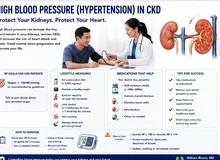
Blood Pressure Control — The Single Most Impactful InterventionKontrol ng Presyon ng Dugo — Ang Pinaka-epektibong InterbensyonKontrol sa Presyon sa Dugo — Ang Pinaka-epektibong Interbensyon Kontrol ning Presyon ning Daya — Ing Pinaka-epektibong Interbensyon
Uncontrolled hypertension is both a cause and consequence of CKD. Every 10 mmHg reduction in systolic blood pressure reduces the risk of kidney failure by approximately 17%.Ang hindi kontroladong hypertension ay parehong sanhi at kahihinatnan ng CKD. Bawat 10 mmHg na pagbaba ng systolic blood pressure ay nagpapababa ng panganib ng pagpalya ng bato ng humigit-kumulang 17%.Ang wala kontroladong hypertension pareho nga hinungdan ug sangputanan sa CKD. Matag 10 mmHg nga pagkubos sa systolic blood pressure nagpababa sa risgo sa pagpalya sa bato og hapit 17%. Ing ali kontroladong hypertension ya parehong sanhi at kahihinatnan ning CKD. Bawat 10 mmHg a pagbaba ning systolic blood pressure ya nagpapababa ning panganib ning pagpalya ning batu ning humigit-kumulang 17%.
ACE inhibitors and ARBs — the cornerstoneMga ACE inhibitor at ARB — ang pundasyonMga ACE inhibitor ug ARB — ang pundasyon Deng ACE inhibitor at ARB — ing pundasyon
These are not just blood pressure medications in CKD — they are kidney protectors. By dilating the efferent arteriole, they reduce intraglomerular pressure, cut proteinuria by 30–50%, and slow scarring independently of BP lowering. They are indicated in all CKD patients with proteinuria, regardless of blood pressure level.Hindi lamang ito mga gamot para sa presyon ng dugo sa CKD — ito ay mga tagapagtanggol ng bato. Sa pamamagitan ng pagpapalawak ng efferent arteriole, binabawasan nila ang intraglomerular pressure, pinutol ang proteinuria ng 30–50%, at pinabagal ang pag-uukit nang independyente sa pagbaba ng BP. Ito ay ipinahiwatig sa lahat ng pasyenteng CKD na may proteinuria, anuman ang antas ng presyon ng dugo.Kini dili lang mga tambal sa presyon sa dugo sa CKD — kini mga tagapanalipod sa bato. Pinaagi sa pagpalappad sa efferent arteriole, nagpababa sila sa intraglomerular pressure, nagputol sa proteinuria og 30–50%, ug nagpahinay sa pag-ukit nga independyente sa pagkubos sa BP. Kini gipakita sa tanan nga pasyente nga CKD nga adunay proteinuria, bisan unsa ang antas sa presyon sa dugo. Ali lamang ini deng gamut para king presyon ning daya king CKD — ini ya deng tagapagtanggol ning batu. King pamamagitan ning pagpapalawak ning efferent arteriole, binabawasan nila ing intraglomerular pressure, pinutol ing proteinuria ning 30–50%, at pinabagal ing pag-uukit nang independyente king pagbaba ning BP. Ini ya ipinahiwatig king amin ning pasyenteng CKD a atin proteinuria, anuman ing antas ning presyon ning daya.
Your blood-pressure targetAng target ng iyong presyon ng dugoAng target sa imong presyon sa dugoIng target ning presyon ning daya mu
Targets are individualized, but the general framework your nephrologist works from is:Ang mga target ay isinasaayon ayon sa bawat isa, ngunit ang pangkalahatang balangkas na ginagamit ng iyong nephrologist ay:Ang mga target gipahiangay matag tawo, apan ang kinatibuk-ang balangkas nga gigamit sa imong nephrologist mao:Deng target isasaayus la agpang king balang metung, dapot ing pangkabuuan a balangkas a gagamitan ning nephrologist mu iti:
The usual goalAng karaniwang layuninAng naandan nga tumongIng karaniwan a layunin
Below 130/80 mmHg for most people with CKD, and below 120 systolic (top number) when it can be reached safely and is measured carefully — the KDIGO (Kidney Disease: Improving Global Outcomes) 2021 standardized-measurement target, based on the SPRINT trial, which showed fewer heart and death events at this tighter goal.Mas mababa sa 130/80 mmHg para sa karamihan ng may CKD, at mas mababa sa 120 systolic (itaas na bilang) kapag ito ay maaabot nang ligtas at masusukat nang maingat — ang KDIGO (Kidney Disease: Improving Global Outcomes) 2021 na target sa standardized na pagsukat, batay sa SPRINT trial, na nagpakita ng mas kaunting pangyayari sa puso at kamatayan sa mas mahigpit na layuning ito.Ubos sa 130/80 mmHg alang sa kadaghanan sa mga adunay CKD, ug ubos sa 120 systolic (taas nga numero) kung kini maabot nga luwas ug masukod nga mabinantayon — ang KDIGO (Kidney Disease: Improving Global Outcomes) 2021 nga target sa standardized nga pagsukod, pinasukad sa SPRINT trial, nga nagpakita og mas gamay nga hitabo sa kasingkasing ug kamatayan sa mas hugot niini nga tumong.Mas mababa king 130/80 mmHg para king karakalan ding atin CKD, at mas mababa king 120 systolic (babo a numeru) nung iti agyang datnan a ligtas at asukat a maingat — ing KDIGO (Kidney Disease: Improving Global Outcomes) 2021 a target king standardized a pamanyukat, base king SPRINT trial, a mepakit lang mas kaunti a milyari king pusu at kamatayan king mas mahigpit a layunin a iti.
When we aim gentlerKapag mas maluwag ang ating layuninKung mas luag ang atong tumongNung mas maluag ing layunin tamu
In older, frail patients, or those who feel dizzy, fall, or have side effects, a target around 140/90 is safer. A blood pressure that is too low is not better — the goal is the lowest number you tolerate comfortably and steadily, not a one-day reading.Sa mga nakatatanda, mahihinang pasyente, o sa mga nahihilo, natutumba, o may mga side effect, mas ligtas ang target na malapit sa 140/90. Ang presyon ng dugo na masyadong mababa ay hindi mas mabuti — ang layunin ay ang pinakamababang bilang na kaya mong tiisin nang komportable at matatag, hindi isang araw na pagbasa.Sa mga tigulang, luya nga pasyente, o niadtong molipong, matumba, o adunay mga side effect, mas luwas ang target nga duol sa 140/90. Ang presyon sa dugo nga sobra ka ubos dili mas maayo — ang tumong mao ang pinakaubos nga numero nga imong maantos nga komportable ug lig-on, dili usa ka adlaw nga pagbasa.Karing matua, maluya a pasyente, o karing malilyu, matumba, o atin side effect, mas ligtas ing target a malapit king 140/90. Ing presyon ning daya a masiadu a mababa ali ya mas mayap — ing layunin iti ing pekamababa a numeru a agyu mung tiisan a komportable at matatag, ali metung aldo a pamamasa.
The relationship is dose-like: every 10 mmHg drop in the top number lowers your risk of kidney failure by roughly 17%. Small, sustained reductions compound into years of preserved function.Ang ugnayan ay parang dosis: bawat 10 mmHg na pagbaba sa itaas na bilang ay nagpapababa ng iyong panganib sa pagpalya ng bato nang halos 17%. Ang maliliit at tuloy-tuloy na pagbaba ay naiipon tungo sa mga taon ng napanatiling paggana.Ang relasyon sama sa dosis: matag 10 mmHg nga pagkunhod sa taas nga numero magpaubos sa imong risgo sa pagpalya sa bato og halos 17%. Ang gagmay, padayon nga pagkubos matipon ngadto sa katuigan sa napreserba nga function.Ing ugnayan parang dosis ya: balang 10 mmHg a pagbaba king babo a numeru pababa na ing panganib mu king pagpalya ning batu ng halos 17%. Deng malati, tuloy-tuloy a pagbaba mitipun la king dakal a banua a mepanatili a paggana.
Measure it right at home — most "high" readings are technique errorsSukatin ito nang tama sa bahay — karamihan ng "mataas" na pagbasa ay mali sa teknikSukda kini og saktong paagi sa balay — kadaghanan sa "taas" nga pagbasa mga sayop sa teknikSukatan me a tama king bale — karakalan ding "matas" a pamamasa mali la king teknik
A home BP monitor (automatic, upper-arm cuff — not wrist) is one of the most powerful tools you own. Bring your log to every visit; it is more reliable than a single clinic reading. For an accurate number:Ang home BP monitor (awtomatiko, cuff sa itaas na braso — hindi sa pulso) ay isa sa pinakamakapangyarihang kagamitan na maaari mong ariin. Dalhin ang iyong tala sa bawat pagbisita; mas maaasahan ito kaysa sa iisang pagbasa sa klinika. Para sa tumpak na bilang:Ang home BP monitor (awtomatiko, cuff sa taas nga bukton — dili sa pulso) usa sa pinakagamhanan nga himan nga imong gipanag-iya. Dad-a ang imong talaan sa matag bisita; mas kasaligan kini kaysa usa ka pagbasa sa klinika. Alang sa tukmang numero:Ing home BP monitor (awtomatiku, cuff king babo a takde — ali king pulsu) metung ya karing pekamakapangyarian a gamit a atin ka. Dalan me ing tala mu king balang dalo; mas maasahan ya kesa king metung a pamamasa king klinika. Para king tumpak a numeru:
- Empty your bladder first. No coffee, smoking, or exercise for 30 minutes before.Ihi muna bago sukatin. Walang kape, paninigarilyo, o ehersisyo nang 30 minuto bago iyon.Pangihi una. Walay kape, panigarilyo, o ehersisyo sulod sa 30 minutos sa dili pa.Miye ka pamu. Alang kape, panyigarilyu, o ehersisyu king 30 minutu bayu.
- Sit for 5 quiet minutes. Back supported, feet flat on the floor, legs uncrossed.Umupo nang 5 minutong tahimik. Sinusuportahan ang likod, patag ang mga paa sa sahig, hindi nakakrus ang mga binti.Lingkod og 5 minutos nga hilom. Gitukod ang likod, patag ang mga tiil sa salog, wala gikuros ang mga bitiis.Lukluk ka king 5 minutu a tahimik. Suportadu ing gulut, patag deng bitis king gabun, ali mikrus deng bitis.
- Rest your arm on a table so the cuff is at heart level. Cuff on bare skin, not over a sleeve.Ipahinga ang iyong braso sa mesa upang ang cuff ay nasa antas ng puso. Ilagay ang cuff sa hubad na balat, hindi sa ibabaw ng manggas.Ipahulay ang imong bukton sa lamesa aron ang cuff naa sa lebel sa kasingkasing. Ibutang ang cuff sa hubo nga panit, dili sa ibabaw sa manggas.Ipainawa me ing takde mu king lamesa bang ing cuff atiu king lebel ning pusu. Ibili me ing cuff king ltaggu a balat, ali king babo ning manggas.
- Do not talk during the reading. Take 2 readings a minute apart and record the average.Huwag magsalita habang sinusukat. Kumuha ng 2 pagbasa na may isang minutong pagitan at itala ang average.Ayaw pagsulti samtang gisukod. Pagkuha og 2 ka pagbasa nga usa ka minuto ang gilay-on ug irekord ang average.E ka magsalita kabang susukatan. Kumua kang 2 a pamamasa a atin metung minutu a pilatan at itala me ing average.
- Measure twice a day (morning and evening) for the week before your check-up.Sukatin nang dalawang beses sa isang araw (umaga at gabi) sa linggo bago ang iyong check-up.Sukda kaduha sa usa ka adlaw (buntag ug gabii) sulod sa semana sa dili pa ang imong check-up.Sukatan me a mikaduang beses king metung aldo (abak at bengi) king dominggu bayu ing check-up mu.

Reducing Proteinuria — The Most Direct Marker of ProgressionPagbabawas ng Proteinuria — Ang Pinaka-direktang Tagapagpahiwatig ng PagsulongPagkubos sa Proteinuria — Ang Pinaka-direktang Timailhan sa Pagsulong Pagbabawas ning Proteinuria — Ing Pinaka-direktang Tagapagpahiwatig ning Pagsulong

Urinary albumin (UACR) is the single best predictor of kidney decline rate. Reducing UACR by 30% or more is associated with a 30–40% reduction in the risk of kidney failure.Ang urinary albumin (UACR) ang pinakamahusay na tagahula ng bilis ng pagbaba ng bato. Ang pagbawas ng UACR ng 30% o higit pa ay nauugnay sa 30–40% na pagbaba ng panganib ng pagpalya ng bato.Ang urinary albumin (UACR) ang pinakamahusay nga tighula sa bilis sa pagkubos sa bato. Ang pagkubos sa UACR og 30% o labaw pa nalangkit sa 30–40% nga pagkubos sa risgo sa pagpalya sa bato. Ing urinary albumin (UACR) ing pinakamahusay a tagahula ning bilis ning pagbaba ning batu. Ing pagbawas ning UACR ning 30% o higit pa ya nauugnay king 30–40% a pagbaba ning panganib ning pagpalya ning batu.
UACR stands for urine albumin-to-creatinine ratio — a simple, inexpensive test on a single urine sample (no 24-hour collection needed). It tells us how much of the protein albumin is leaking through your filters. Two people can have the same eGFR but very different futures depending on this number: higher albumin leak predicts faster decline, more heart disease, and higher risk of kidney failure. The encouraging flip side is that albuminuria is one of the most treatable markers in all of medicine.Ang UACR ay nangangahulugang urine albumin-to-creatinine ratio — isang simple at murang pagsusuri sa iisang sample ng ihi (walang kailangang 24-oras na pagkolekta). Sinasabi nito sa atin kung gaano karami sa protinang albumin ang tumatagas sa iyong mga salaan. Dalawang tao ang maaaring may parehong eGFR ngunit magkaibang-magkaiba ang kinabukasan depende sa bilang na ito: ang mas mataas na pagtagas ng albumin ay humuhula ng mas mabilis na pagbaba, mas maraming sakit sa puso, at mas mataas na panganib sa pagpalya ng bato. Ang nakapagpapasiglang kabaligtaran ay ang albuminuria ay isa sa pinaka-nagagamot na marka sa buong medisina.Ang UACR nagpasabot og urine albumin-to-creatinine ratio — usa ka yano, barato nga eksamen sa usa ka sample sa ihi (walay gikinahanglan nga 24-oras nga pagkolekta). Kini nagsulti kanato kon pila sa protina nga albumin ang nagatulo sa imong mga salaan. Duha ka tawo mahimong adunay parehas nga eGFR apan lahi kaayo og kaugmaon depende niini nga numero: ang mas taas nga pagtulo sa albumin nagtagna og mas paspas nga pagkubos, mas daghang sakit sa kasingkasing, ug mas taas nga risgo sa pagpalya sa bato. Ang makadasig nga pikas bahin mao nga ang albuminuria usa sa pinaka-matambalan nga marka sa tibuok medisina.Ing UACR buri nang sabian urine albumin-to-creatinine ratio — metung a simple, mura a pamanyubuk king metung a sample ning mie (alang kailangan a 24-oras a pamangalap). Sasabian na kekatamu nung magkanu king protina a albumin ing tatagas karing salaan mu. Aduang tau puedeng atin parehong eGFR dapot magkaiba-iba ing kabukasan agpang king numeru a iti: ing mas matas a pagtagas ning albumin manula yang mas malagua a pagbaba, mas dakal a sakit king pusu, at mas matas a panganib king pagpalya ning batu. Ing makapagsiglang kabaligtaran iti ing albuminuria metung ya karing pinaka-agyung gamutan a marka king mabilug a medisina.
Reading your UACRPagbasa ng iyong UACRPagbasa sa imong UACRPamamasa ning UACR mu
A1 — NormalNormalNormalNormal
<30 mg/g. Low risk and the goal we aim for. Keep doing what protects it.Mababang panganib at ang layuning ating tinutumbok. Ipagpatuloy ang mga bagay na nagpoprotekta rito.Ubos nga risgo ug ang tumong nga atong gitinguha. Padayona ang mga butang nga nanalipod niini.Mababang panganib at ing layunin a tuturuan tamu. Ipagpatuli me deng bage a magprotekta kaniti.
A2 — ModerateKatamtamanKasaranganKatamtaman
30–300 mg/g. "Microalbuminuria." Often the earliest sign of kidney injury — and the best window to act. Needs active treatment even though you feel completely well."Microalbuminuria." Kadalasan ang pinakaunang palatandaan ng pinsala sa bato — at ang pinakamagandang pagkakataon upang kumilos. Nangangailangan ng aktibong paggamot kahit na pakiramdam mo ay ganap kang malusog."Microalbuminuria." Kasagaran ang pinakaunang timailhan sa kadaot sa bato — ug ang pinakamaayong higayon aron molihok. Nagkinahanglan og aktibo nga pagtambal bisan pa nga mobati ka nga bug-os nga maayo."Microalbuminuria." Kadalasan ing pekamumunang tanda ning pinsala king batu — at ing pekamayap a pagkakataun bang kumilus. Kailangan neng aktibong lunas agyang pakiramdam mu masalese ka.
A3 — HighMataasTaasMatas
>300 mg/g. "Macroalbuminuria." High risk of progression — but still very responsive to combined therapy. This is where the strongest kidney-protective regimens matter most."Macroalbuminuria." Mataas na panganib ng pagsulong — ngunit napakabuti pa ring tumutugon sa pinagsamang therapy. Dito higit na mahalaga ang pinakamalalakas na regimen na nagpoprotekta sa bato."Macroalbuminuria." Taas nga risgo sa pagsulong — apan kusog gihapon nga motubag sa gihiusa nga therapy. Dinhi labing mahinungdanon ang pinakakusgang mga regimen nga nanalipod sa bato."Macroalbuminuria." Matas a panganib ning pagsulong — dapot masikan ya pa mu rin a tutugun king pisamang therapy. Keni pekamahalaga deng pekamasikan a regimen a magprotekta king batu.
The target: lower it by at least 30% — at any starting pointAng target: babaan ito nang hindi bababa sa 30% — mula sa anumang panimulang puntoAng target: kunhoran kini og labing menos 30% — gikan sa bisan unsang sinugdanang puntoIng target: pababan me king ali kukulang king 30% — manibat king nanumang pangumpisang punto
A 30% or greater fall in UACR is linked to a 30–40% lower risk of kidney failure, regardless of where you started. We do not need to reach zero; we need to bend the number down and keep it there. The proven levers, used together:Ang 30% o higit pang pagbaba sa UACR ay nauugnay sa 30–40% na mas mababang panganib ng pagpalya ng bato, anuman ang iyong pinagsimulan. Hindi natin kailangang umabot sa zero; kailangan lang nating ibaba ang bilang at panatilihin ito roon. Ang mga napatunayang paraan, na ginagamit nang sabay-sabay:Ang 30% o labaw pa nga pagkunhod sa UACR nalambigit sa 30–40% nga mas ubos nga risgo sa pagpalya sa bato, bisan asa ka nagsugod. Dili nato kinahanglan moabot og zero; kinahanglan lang natong ipaubos ang numero ug tipigan kini didto. Ang mga napamatud-an nga paagi, nga gigamit nga dungan:Ing 30% o mas dakal pa a pagbaba king UACR mikakalub ya king 30–40% a mas mababang panganib king pagpalya ning batu, nanumang pengumpisan mu. Ali tamu kailangan datnan ing zero; kailangan tamu mu ipababa ing numeru at panatilian ya karin. Deng mepatunayan a paraan, a gagamitan a sabay-sabay:
- Maximize an ACE inhibitor or ARB to the highest dose you tolerate (this is the single biggest lever).I-maximize ang ACE inhibitor o ARB sa pinakamataas na dose na kaya ninyong tiisin (ito ang pinakamalaking sandata).I-maximize ang ACE inhibitor o ARB sa pinakataas nga dose nga makaya nimo (kini ang pinakadako nga tabang).I-maximize ing ACE inhibitor o ARB king pinakamataas a dose a kaya yung tiisan (ini ing pinakamalaking sandata).
- Add an SGLT2 inhibitor — it lowers albumin leak on top of RAAS (renin–angiotensin–aldosterone system) blockade.Magdagdag ng SGLT2 inhibitor — binabawasan nito ang pagtagas ng albumin bukod pa sa RAAS (renin–angiotensin–aldosterone system) blockade.Pagdugang og SGLT2 inhibitor — nagpababa kini sa pagtulo sa albumin dugang pa sa RAAS (renin–angiotensin–aldosterone system) blockade.Magdagdag ka ning SGLT2 inhibitor — binabawasan na niti ing pagtagas ning albumin bukod pa king RAAS (renin–angiotensin–aldosterone system) blockade.
- Cut dietary sodium — low salt can amplify the anti-protein effect of your ACE/ARB by 30–50%.Bawasan ang sodium sa pagkain — ang mababang asin ay maaaring magpalakas sa anti-protein na epekto ng inyong ACE/ARB nang 30–50%.Kunhora ang sodium sa pagkaon — ang gamay nga asin makapalig-on sa anti-protein nga epekto sa imong ACE/ARB og 30–50%.Bawasan ing sodium king pamangan — ing mababang asin ya maaaring magpalakas king anti-protein a epekto ning inyu ACE/ARB nang 30–50%.
- Add finerenone (in diabetic kidney disease) when leak persists despite the above.Magdagdag ng finerenone (sa diabetic kidney disease) kapag nagpatuloy ang pagtagas sa kabila ng nasa itaas.Pagdugang og finerenone (sa diabetic kidney disease) kung nagpadayon ang pagtulo bisan pa sa naa sa taas.Magdagdag ka ning finerenone (king diabetic kidney disease) potang magpatuloy ing pagtagas maski atin na deng nasa babo.
- Tighten blood-pressure and blood-sugar control.Higpitan ang kontrol ng presyon ng dugo at asukal sa dugo.Higpiti ang kontrol sa presyon sa dugo ug asukal sa dugo.Higpitan ing kontrol ning presyon ning daya at asukal king daya.
The Four Pillars of CKD PharmacotherapyAng Apat na Haligi ng CKD PharmacotherapyAng Upat ka Haligi sa CKD Pharmacotherapy Ing Apat a Haligi ning CKD Pharmacotherapy

Kidney protection has been transformed in the last few years. We no longer rely on a single drug — we build on four evidence-based pillars, each proven in large clinical trials to slow decline through a different mechanism. The benefits add up, so the modern approach is to layer them together rather than try one, wait, and fail. Not every patient needs all four, but every patient deserves a deliberate plan across them.Ang proteksyon ng bato ay lubos nang nagbago sa nakaraang ilang taon. Hindi na kami umaasa sa iisang gamot — bumabatay kami sa apat na evidence-based na pillar, bawat isa ay napatunayan sa malalaking clinical trial na nagpapabagal sa pagbaba sa pamamagitan ng ibang mekanismo. Nagdaragdagan ang mga benepisyo, kaya ang modernong paraan ay pagsama-samahin ang mga ito sa halip na subukan ang isa, maghintay, at mabigo. Hindi lahat ng pasyente ay nangangailangan ng lahat ng apat, ngunit bawat pasyente ay nararapat sa isang maingat na plano sa kabuuan ng mga ito.Ang proteksyon sa bato dako na kaayo og pagbag-o sa milabay nga pipila ka tuig. Wala na kami magsalig sa usa lang ka tambal — nagtukod kami sa upat ka evidence-based nga pillar, matag usa napamatud-an sa dagkong clinical trial nga nagpahinay sa pagkubos pinaagi sa lahi nga mekanismo. Nagtapok ang mga benepisyo, mao nga ang modernong pamaagi mao ang pagsapaw kanila kaysa sulayan ang usa, maghulat, ug mapakyas. Dili tanang pasyente nagkinahanglan sa tanang upat, apan matag pasyente angay sa usa ka tinuyoan nga plano sa tanan niini.Ing proteksyon ning batu ya lubos nang mibayu king milabas a mapilan a banua. Ali na kami umaasa king metung a gamut — bumabatay kami king apat a evidence-based a pillar, bawat metung ya mepatunayan king malalaking clinical trial a nagpapabagal king pagbaba king pamamagitan ning aliwang mekanismo. Nagdaragdag ing deng benepisyo, kaya ing modernong paraan ya pagsama-samahin ing detang ini imbes na subukan ing metung, maghintay, at mabigo. Ali amin ning pasyente ya mangailangan ning amin ning apat, dapot bawat pasyente ya nararapat king metung a maingat a plano king kabuuan ning detang ini.
Pillar 1 · RAAS blockade (ACE inhibitor or ARB)Pillar 1 · RAAS blockade (ACE inhibitor o ARB)Pillar 1 · RAAS blockade (ACE inhibitor o ARB)Pillar 1 · RAAS blockade (ACE inhibitor o ARB)
The foundation. By relaxing the efferent (outflow) arteriole, drugs like ramipril, telmisartan, losartan, or irbesartan lower the pressure inside the filter and cut protein leak by 30–50%. In the RENAAL and IDNT trials they reduced progression to kidney failure. Use one or the other — never both together. Recheck potassium and creatinine 1–2 weeks after starting or increasing.Ang pundasyon. Sa pamamagitan ng pagpapaluwag sa efferent (outflow) arteriole, ang mga gamot tulad ng ramipril, telmisartan, losartan, o irbesartan ay nagpapababa ng presyon sa loob ng filter at binabawasan ang pagtagas ng protina nang 30–50%. Sa RENAAL at IDNT trials, binawasan nila ang pagsulong tungo sa kidney failure. Gumamit ng isa o ng isa pa — huwag kailanman pareho nang sabay. Suriin muli ang potassium at creatinine 1–2 linggo pagkatapos magsimula o magtaas.Ang pundasyon. Pinaagi sa pagpaluag sa efferent (outflow) arteriole, ang mga tambal sama sa ramipril, telmisartan, losartan, o irbesartan nagpababa sa presyon sa sulod sa filter ug nagkunhod sa pagtulo sa protina og 30–50%. Sa RENAAL ug IDNT trials gikunhoran nila ang pagsulong ngadto sa kidney failure. Gamita ang usa o ang usa — ayaw gyud pareho nga dungan. Sulihi pag-usab ang potassium ug creatinine 1–2 ka semana human magsugod o magdugang.Ing pundasyon. King pamamagitan ning pagpapaluwag king efferent (outflow) arteriole, ing deng gamut tulad ning ramipril, telmisartan, losartan, o irbesartan ya nagpapababa ning presyon king loob ning filter at binabawasan ing pagtagas ning protina nang 30–50%. King RENAAL at IDNT trials, binawasan da ing pagsulong papunta king kidney failure. Gumamit ka ning metung o ning metung pa — e mu kailanman pareho nang sabay. Suriin ya pasibayu ing potassium at creatinine 1–2 dominggo kapabanuan ning pamagsimula o pamagtaas.
Pillar 2 · SGLT2 inhibitorPillar 2 · SGLT2 inhibitorPillar 2 · SGLT2 inhibitorPillar 2 · SGLT2 inhibitor
Dapagliflozin or empagliflozin — originally diabetes drugs, now core kidney protectors even in people without diabetes. They tighten the afferent (inflow) tap, easing filter pressure, and add anti-scarring effects. DAPA-CKD and EMPA-KIDNEY showed major reductions in decline; benefit extends down to an eGFR of about 20. Expect a small early eGFR dip; watch for genital yeast infections and follow sick-day rules.Dapagliflozin o empagliflozin — orihinal na mga gamot sa diabetes, ngayon ay mga pangunahing tagapagtanggol ng bato kahit sa mga taong walang diabetes. Hinihigpitan nila ang afferent (inflow) na gripo, pinapadali ang presyon sa filter, at nagdaragdag ng anti-scarring na epekto. Ipinakita ng DAPA-CKD at EMPA-KIDNEY ang malalaking pagbawas sa pagbaba; umaabot ang benepisyo pababa hanggang sa eGFR na mga 20. Asahan ang maliit na maagang pagbaba ng eGFR; bantayan ang genital yeast infection at sundin ang sick-day rules.Dapagliflozin o empagliflozin — orihinal nga mga tambal sa diabetes, karon mga pangunang tagapanalipod sa bato bisan sa mga tawo nga walay diabetes. Gihugtan nila ang afferent (inflow) nga gripo, gipagaan ang presyon sa filter, ug nagdugang og anti-scarring nga epekto. Gipakita sa DAPA-CKD ug EMPA-KIDNEY ang dagkong pagkunhod sa pagkubos; ang benepisyo moabot paubos hangtod sa eGFR nga mga 20. Damha ang gamay nga sayo nga pagkubos sa eGFR; bantayi ang genital yeast infection ug sunda ang sick-day rules.Dapagliflozin o empagliflozin — orihinal a deng gamut king diabetes, ngeni ya deng pangunahing tagapagtanggol ning batu maski king deng tau a alang diabetes. Hinihigpitan da ing afferent (inflow) a gripo, pinapadali ing presyon king filter, at nagdaragdag ning anti-scarring a epekto. Pepakit ning DAPA-CKD at EMPA-KIDNEY ing malalaking pagbawas king pagbaba; umaabot ing benepisyo papababa anggang king eGFR a mga 20. Asahan ing maliit a maagang pagbaba ning eGFR; bantayan ing genital yeast infection at tuki ing sick-day rules.
Pillar 3 · Non-steroidal MRA (finerenone)Pillar 3 · Non-steroidal MRA (finerenone)Pillar 3 · Non-steroidal MRA (finerenone)Pillar 3 · Non-steroidal MRA (finerenone)
For diabetic kidney disease (DKD) with persistent protein leak despite Pillars 1–2. Finerenone blocks aldosterone-driven inflammation and fibrosis. The FIDELIO-DKD and FIGARO-DKD trials showed fewer kidney and heart events. Its main caution is a rise in potassium, so levels are monitored closely.Para sa diabetic kidney disease (DKD) na may patuloy na pagtagas ng protina sa kabila ng Pillars 1–2. Hinaharang ng finerenone ang aldosterone-driven na pamamaga at fibrosis. Ipinakita ng FIDELIO-DKD at FIGARO-DKD trials ang mas kaunting kidney at heart events. Ang pangunahing pag-iingat dito ay ang pagtaas ng potassium, kaya ang mga antas ay masusing binabantayan.Alang sa diabetic kidney disease (DKD) nga adunay padayon nga pagtulo sa protina bisan pa sa Pillars 1–2. Ang finerenone nagbabag sa aldosterone-driven nga panghubag ug fibrosis. Gipakita sa FIDELIO-DKD ug FIGARO-DKD trials ang mas gamay nga kidney ug heart events. Ang panguna niini nga pag-amping mao ang pagsaka sa potassium, mao nga ang mga lebel bantayan pag-ayo.Para king diabetic kidney disease (DKD) a atin patuloy a pagtagas ning protina maski atin na deng Pillars 1–2. Hinaharang ning finerenone ing aldosterone-driven a pamamaga at fibrosis. Pepakit ning FIDELIO-DKD at FIGARO-DKD trials ing mas ditak a kidney at heart events. Ing pangunahing pag-iingat keni ya ing pagtaas ning potassium, kaya ing deng antas ya masusing binabantayan.
Pillar 4 · GLP-1 receptor agonistPillar 4 · GLP-1 receptor agonistPillar 4 · GLP-1 receptor agonistPillar 4 · GLP-1 receptor agonist
Semaglutide and similar agents help most in type 2 diabetes and excess weight. The landmark FLOW trial (2024) was stopped early for benefit — a 24% reduction in major kidney disease events. They also lower weight, blood sugar, and cardiovascular risk, addressing the "common soil" behind much CKD.Ang semaglutide at mga katulad na gamot ay pinakamakakatulong sa type 2 diabetes at labis na timbang. Ang makasaysayang FLOW trial (2024) ay pinatigil nang maaga dahil sa benepisyo — 24% na pagbawas sa malalaking kidney disease events. Binabawasan din nila ang timbang, asukal sa dugo, at cardiovascular risk, na tinutugunan ang "common soil" sa likod ng maraming CKD.Ang semaglutide ug susama nga mga tambal labing makatabang sa type 2 diabetes ug sobra nga timbang. Ang mahinungdanong FLOW trial (2024) gihunong og sayo tungod sa benepisyo — 24% nga pagkunhod sa dagkong kidney disease events. Nagpababa usab sila sa timbang, asukal sa dugo, ug cardiovascular risk, nga nagtubag sa "common soil" luyo sa daghang CKD.Ing semaglutide at deng kaparehong gamut ya pinakamakakatulong king type 2 diabetes at labis a timbang. Ing makasaysayang FLOW trial (2024) ya pepatigil nang maaga uli ning benepisyo — 24% a pagbawas king malalaking kidney disease events. Binabawasan da rin ing timbang, asukal king daya, at cardiovascular risk, a tinutugunan ing "common soil" king likod ning dacal a CKD.
Beyond the four pillars, several supportive medicines treat the damage CKD causes along the way — controlling cholesterol, acid build-up, and uric acid. These are summarized below with their Philippine brand names and what your doctor monitors for each.Higit pa sa apat na pillar, ilang suportang gamot ang gumagamot sa pinsalang dulot ng CKD sa daan — kinokontrol ang cholesterol, pag-ipon ng acid, at uric acid. Ang mga ito ay nakabuod sa ibaba kasama ang kanilang Philippine brand name at kung ano ang binabantayan ng inyong doktor para sa bawat isa.Labaw pa sa upat ka pillar, pipila ka suportang tambal ang nagtambal sa kadaot nga gipahinabo sa CKD subay sa dalan — nagkontrol sa cholesterol, pagtapok sa acid, ug uric acid. Kini gisumaryo sa ubos uban sa ilang Philippine brand name ug unsa ang bantayan sa imong doktor alang sa matag usa.Labas pa king apat a pillar, mapilan a suportang gamut ing gumagamut king pinsalang dulot ning CKD king dalan — kinokontrol ing cholesterol, pag-ipon ning acid, at uric acid. Ing detang ini ya nakabuod king babo kayabe ing kanilang Philippine brand name at nung ano ing binabantayan ning inyu doktor para king bawat metung.
| DrugGamotTambal Gamut | Local brand (Philippines)Lokal na brand (Pilipinas)Lokal nga brand (Pilipinas) Lokal a brand (Pilipinas) | Mechanism of kidney protectionMekanismo ng proteksyon sa batoMekanismo sa proteksyon sa bato Mekanismo ning proteksyon king batu | Key monitoringMahalagang pagmamasidHinungdanong pagmonitor Mahalagang pagmamasid |
|---|---|---|---|
| ACE inhibitor / ARB | Ramipril, Irbesartan, Losartan | Reduces efferent resistance → lowers intraglomerular pressure → cuts proteinuriaNagpapababa ng efferent resistance → nagpapababa ng intraglomerular pressure → nagpuputol ng proteinuriaNagpababa sa efferent resistance → nagpababa sa intraglomerular pressure → nagputol sa proteinuria Nagpapababa ning efferent resistance → nagpapababa ning intraglomerular pressure → nagpuputol ning proteinuria | K+, creatinine 1–2 weeks after startK+, creatinine 1–2 linggo pagkatapos magsimulaK+, creatinine 1–2 ka semana human sugdi K+, creatinine 1–2 lutu kapabanuan magsimula |
| Dapagliflozin | Catania / Rhea | Reduces afferent dilation via tubuloglomerular feedback → lowers intraglomerular pressure + anti-fibrotic + natriureticNagpapababa ng afferent dilation sa pamamagitan ng tubuloglomerular feedback → nagpapababa ng intraglomerular pressure + anti-fibrotic + natriureticNagpababa sa afferent dilation pinaagi sa tubuloglomerular feedback → nagpababa sa intraglomerular pressure + anti-fibrotic + natriuretic Nagpapababa ning afferent dilation king pamamagitan ning tubuloglomerular feedback → nagpapababa ning intraglomerular pressure + anti-fibrotic + natriuretic | eGFR, genital hygiene (yeast infections)eGFR, kalinisan ng genitalia (impeksyon ng lebadura)eGFR, kalinisan sa genitalia (impeksyon sa lebadura) eGFR, kalinisan ning genitalia (impeksyon ning lebadura) |
| Finerenone | Kerendia (imported) | Non-steroidal MRA (mineralocorticoid receptor antagonist) → blocks aldosterone-driven renal and cardiac fibrosisNon-steroidal MRA → hinaharangan ang aldosterone-driven renal at cardiac fibrosisNon-steroidal MRA → nagpugong sa aldosterone-driven renal ug cardiac fibrosis Non-steroidal MRA → hinaharangan ing aldosterone-driven renal at cardiac fibrosis | K+ (hyperkalemia risk)K+ (panganib ng hyperkalemia)K+ (risgo sa hyperkalemia) K+ (panganib ning hyperkalemia) |
| Sodium bicarbonate | Generic tabs | Corrects metabolic acidosis → reduces ammoniogenesis-driven complement activation and fibrosisNagwawasto ng metabolic acidosis → nagpapababa ng complement activation at fibrosis na pinatakbo ng ammoniogenesisNagpabag-o sa metabolic acidosis → nagpababa sa complement activation ug fibrosis nga gipalihok sa ammoniogenesis Nagwawasto ning metabolic acidosis → nagpapababa ning complement activation at fibrosis a pinatakbo ning ammoniogenesis | Serum bicarbonate — target 22–26Serum bicarbonate — target 22–26Serum bicarbonate — target 22–26 Serum bicarbonate — target 22–26 |
| Rosuvastatin | Crestor / Generic | Reduces low-density lipoprotein (LDL)-induced glomerulopathy + pleiotropic anti-inflammatory effects on the endotheliumNagpapababa ng LDL-induced glomerulopathy + pleiotropic anti-inflammatory na epekto sa endotheliumNagpababa sa LDL-induced glomerulopathy + pleiotropic anti-inflammatory nga epekto sa endothelium Nagpapababa ning LDL-induced glomerulopathy + pleiotropic anti-inflammatory a epekto king endothelium | LFTs (liver function tests) at baseline; myopathy symptomsLFTs sa baseline; mga sintomas ng myopathyLFTs sa baseline; mga sintomas sa myopathy LFTs king baseline; deng sintomas ning myopathy |
| Urate-lowering (Febuxostat) | Feburic / Uricfree | Hyperuricemia causes urate crystal tubular deposition, oxidative stress, and direct nephron injuryAng hyperuricemia ay nagdudulot ng tubular deposition ng urate crystal, oxidative stress, at direktang pinsala sa nephronAng hyperuricemia nagdulot sa tubular deposition sa urate crystal, oxidative stress, ug direktang pinsala sa nephron Ing hyperuricemia ya nagdudulot ning tubular deposition ning urate crystal, oxidative stress, at direktang pinsala king nephron | Serum uric acid — target <6.0 mg/dLSerum uric acid — target <6.0 mg/dLSerum uric acid — target <6.0 mg/dL Serum uric acid — target <6.0 mg/dL |
Lifestyle — The Foundation That Drugs Cannot ReplacePamumuhay — Ang Pundasyon na Hindi Mapagpapalitan ng mga GamotPamumuhay — Ang Pundasyon nga Dili Mapulihan sa mga Tambal Pamumuhay — Ing Pundasyon a Ali Mapagpapalitan ning deng Gamut
Protein restriction pre-dialysis — 0.6–0.8 g/kg/dayPaghihigpit sa protina bago ang dialysis — 0.6–0.8 g/kg/arawPagdili sa protina sa wala pa ang dialysis — 0.6–0.8 g/kg/adlaw Paghihigpit king protina bago ing dialysis — 0.6–0.8 g/kg/aldo
Excess protein increases glomerular filtration pressure and uremic toxin production. Reducing protein intake to 0.6–0.8 g/kg/day slows hyperfiltration, reduces proteinuria, and delays dialysis. Ensure adequate calorie intake (30–35 kcal/kg/day) to prevent muscle wasting.Ang labis na protina ay nagpapataas ng glomerular filtration pressure at produksyon ng uremic toxin. Ang pagbabawas ng pagtanggap ng protina sa 0.6–0.8 g/kg/araw ay nagpapabagal ng hyperfiltration, nagpapababa ng proteinuria, at nagpapaliban ng dialysis. Tiyakin ang sapat na pagtanggap ng calories (30–35 kcal/kg/araw) upang maiwasan ang pag-aaksaya ng kalamnan.Ang sobrang protina nagpataas sa glomerular filtration pressure ug produksyon sa uremic toxin. Ang pagkubos sa pagkaon og protina ngadto sa 0.6–0.8 g/kg/adlaw nagpahinay sa hyperfiltration, nagpababa sa proteinuria, ug nagpalangan sa dialysis. Sigurohon ang saktong pagkaon og calories (30–35 kcal/kg/adlaw) aron mapugong ang pagkawala sa kaunuran. Ing labis a protina ya nagpapataas ning glomerular filtration pressure at produksyon ning uremic toxin. Ing pagbabawas ning pagtanggap ning protina king 0.6–0.8 g/kg/aldo ya nagpapabagal ning hyperfiltration, nagpapababa ning proteinuria, at nagpapaliban ning dialysis. Tiyakin ing sapat a pagtanggap ning calories (30–35 kcal/kg/aldo) upang maiwasan ing pag-aaksaya ning kalamnan.
Sodium restriction — <2,000 mg/dayPaghihigpit sa sodium — <2,000 mg/arawPagdili sa sodium — <2,000 mg/adlaw Paghihigpit king sodium — <2,000 mg/aldo
High sodium raises blood pressure and directly worsens proteinuria by increasing intraglomerular pressure. Sodium restriction amplifies the antiproteinuric effect of ACE inhibitors by 30–50% — it is synergistic, not additive. Cook fresh and avoid patis, toyo, processed foods.Ang mataas na sodium ay nagpapataas ng presyon ng dugo at direktang nagpapalala ng proteinuria sa pamamagitan ng pagtaas ng intraglomerular pressure. Ang paghihigpit sa sodium ay nagpapalaki ng antiproteinuric na epekto ng mga ACE inhibitor ng 30–50% — ito ay synergistic, hindi additive. Magluto nang sariwa at iwasan ang patis, toyo, at mga processed na pagkain.Ang taas nga sodium nagpataas sa presyon sa dugo ug direktang nagpalala sa proteinuria pinaagi sa pagtaas sa intraglomerular pressure. Ang pagdili sa sodium nagpadako sa antiproteinuric nga epekto sa mga ACE inhibitor og 30–50% — kini synergistic, dili additive. Magluto nga sariwa ug likayi ang patis, toyo, ug mga processed nga pagkaon. Ing matas a sodium ya nagpapataas ning presyon ning daya at direktang nagpapalala ning proteinuria king pamamagitan ning pagtaas ning intraglomerular pressure. Ing paghihigpit king sodium ya nagpapalaki ning antiproteinuric a epekto ning deng ACE inhibitor ning 30–50% — ini ya synergistic, ali additive. Magluto nang sariwa at iwasan ing patis, toyo, at deng processed a pamangan.
Smoking cessationPagtigil sa paninigarilyoPaghunong sa pagpanigarilyo Pagtigil king paninigarilyo
Smoking doubles the rate of CKD progression through renal vasoconstriction, oxidative stress, and endothelial damage. It is the single most impactful modifiable lifestyle factor for CKD progression after blood pressure control. Cessation benefit is seen within months.Ang paninigarilyo ay nagdoble ng bilis ng pagsulong ng CKD sa pamamagitan ng renal vasoconstriction, oxidative stress, at pinsala sa endothelial. Ito ang pinaka-epektibong nababagong lifestyle factor para sa pagsulong ng CKD pagkatapos ng kontrol ng presyon ng dugo. Ang benepisyo ng pagtigil ay makikita sa loob ng mga buwan.Ang pagpanigarilyo nagdoble sa bilis sa pagsulong sa CKD pinaagi sa renal vasoconstriction, oxidative stress, ug pinsala sa endothelial. Kini ang pinaka-epektibong mabag-ohong lifestyle factor alang sa pagsulong sa CKD human sa kontrol sa presyon sa dugo. Ang benepisyo sa paghunong makita sulod sa mga buwan. Ing paninigarilyo ya nagdoble ning bilis ning pagsulong ning CKD king pamamagitan ning renal vasoconstriction, oxidative stress, at pinsala king endothelial. Ini ing pinaka-epektibong nababagong lifestyle factor para king pagsulong ning CKD kapabanuan ning kontrol ning presyon ning daya. Ing benepisyo ning pagtigil ya makikita king loob ning deng bulan.
Regular exercise — 150 min/week moderate aerobicRegular na ehersisyo — 150 minuto/linggo na katamtamang aerobicRegular nga ehersisyo — 150 minuto/semana nga katamtamang aerobic Regular a ehersisyo — 150 minuto/lutu a katamtamang aerobic
Exercise reduces blood pressure, improves insulin sensitivity, lowers inflammatory markers, and slows CKD progression. A 30-minute brisk walk daily is sufficient. Even in Stage 4, supervised exercise improves quality of life and functional capacity significantly.Ang ehersisyo ay nagpapababa ng presyon ng dugo, nagpapabuti ng sensitivity sa insulin, nagpapababa ng mga inflammatory marker, at nagpapabagal ng pagsulong ng CKD. Ang 30-minutong mabilis na paglalakad araw-araw ay sapat na. Kahit sa Stage 4, ang supervised na ehersisyo ay lubos na nagpapabuti ng kalidad ng buhay at functional capacity.Ang ehersisyo nagpababa sa presyon sa dugo, nagpaayo sa sensitivity sa insulin, nagpababa sa mga inflammatory marker, ug nagpahinay sa pagsulong sa CKD. Ang 30-minutong mabilis nga paglakaw inadlaw-adlaw igo na. Bisan sa Stage 4, ang supervised nga ehersisyo lubos nga nagpaayo sa kalidad sa kinabuhi ug functional capacity. Ing ehersisyo ya nagpapababa ning presyon ning daya, nagpapabuti ning sensitivity king insulin, nagpapababa ning deng inflammatory marker, at nagpapabagal ning pagsulong ning CKD. Ing 30-minutong mabilis a paglalakad aldo-aldo ya sapat a. Kahit king Stage 4, ing supervised a ehersisyo ya lubos a nagpapabuti ning kalidad ning biye at functional capacity.
Strict avoidance of nephrotoxinsMahigpit na pag-iwas sa mga nephrotoxinHigpit nga paglikay sa mga nephrotoxin Mahigpit a pag-iwas king deng nephrotoxin
NSAIDs (ibuprofen, mefenamic acid), contrast dye without preparation, traditional herbal medicines, and aminoglycoside antibiotics (like gentamicin) are directly nephrotoxic. A single episode of NSAID-induced AKI (acute kidney injury) in a CKD patient can permanently accelerate decline by the equivalent of years of disease.Ang mga NSAID (ibuprofen, mefenamic acid), contrast dye nang walang paghahanda, tradisyunal na herbal na gamot, at aminoglycoside antibiotics (tulad ng gentamicin) ay direktang nephrotoxic. Ang isang episode lamang ng NSAID-induced AKI sa isang pasyenteng CKD ay maaaring permanenteng mapabilis ang pagbaba ng katumbas ng mga taon ng sakit.Ang mga NSAID (ibuprofen, mefenamic acid), contrast dye nga walay paghanda, tradisyunal nga herbal nga tambal, ug aminoglycoside antibiotics (sama sa gentamicin) direktang nephrotoxic. Ang usa ka episode lamang sa NSAID-induced AKI sa usa ka pasyente nga CKD mahimong permanenteng mapapaspas ang pagkubos nga katumbas sa mga tuig sa sakit. Ing deng NSAID (ibuprofen, mefenamic acid), contrast dye nang alang paghahanda, tradisyunal a herbal a gamut, at aminoglycoside antibiotics (tulad ning gentamicin) ya direktang nephrotoxic. Ing metung a episode lamang ning NSAID-induced AKI king metung a pasyenteng CKD ya maaaring permanenteng mapabilis ing pagbaba ning katumbas ning deng banua ning sakit.
All Targets — At a GlanceLahat ng Target — Sa Isang TinginTanan nga Target — Sa Usa ka Tingin Amin ning Target — King Metung a Tingin
| ParameterParameterParameter Parameter | TargetTargetTarget Target | Action if not at targetAksyon kung hindi sa targetAksyon kung wala sa target Aksyon nung ali king target |
|---|---|---|
| Blood pressurePresyon ng dugoPresyon sa dugo Presyon ning daya | <140/90 (<130/80 with DM) | Optimize ACE/ARB; add CCB or diuretic; sodium restrictionI-optimize ang ACE/ARB; dagdagan ng CCB o diuretic; paghihigpit sa sodiumI-optimize ang ACE/ARB; duganon og CCB o diuretic; pagdili sa sodium I-optimize ing ACE/ARB; dagdagan ning CCB o diuretic; paghihigpit king sodium |
| UACR | Reduce by ≥30% or to <30 mg/gBawasan ng ≥30% o hanggang <30 mg/gKuhuon og ≥30% o ngadto sa <30 mg/g Bawasan ning ≥30% o anggang <30 mg/g | Maximize ACE/ARB; add dapagliflozin; reduce sodiumI-maximize ang ACE/ARB; dagdagan ng dapagliflozin; bawasan ang sodiumI-maximize ang ACE/ARB; duganon og dapagliflozin; kuhuon ang sodium I-maximize ing ACE/ARB; dagdagan ning dapagliflozin; bawasan ing sodium |
| HbA1c (if DM)HbA1c (kung may DM)HbA1c (kung adunay DM) HbA1c (nung atin DM) | 7–8% | Optimize glucose medications; add SGLT2i (sodium–glucose cotransporter-2 inhibitor); lifestyleI-optimize ang mga gamot sa glucose; dagdagan ng SGLT2i; pamumuhayI-optimize ang mga tambal sa glucose; duganon og SGLT2i; pamumuhay I-optimize ing deng gamut king glucose; dagdagan ning SGLT2i; pamumuhay |
| LDL cholesterolLDL cholesterolLDL cholesterol LDL cholesterol | <55 mg/dL | High-intensity statin → add ezetimibe → PCSK9 inhibitorHigh-intensity statin → dagdagan ng ezetimibe → PCSK9 inhibitorHigh-intensity statin → duganon og ezetimibe → PCSK9 inhibitor High-intensity statin → dagdagan ning ezetimibe → PCSK9 inhibitor |
| Serum uric acidSerum uric acidSerum uric acid Serum uric acid | <6.0 mg/dL | Febuxostat 80 mg OD; dietary purine restrictionFebuxostat 80 mg OD; paghihigpit sa dietary purineFebuxostat 80 mg OD; pagdili sa dietary purine Febuxostat 80 mg OD; paghihigpit king dietary purine |
| BicarbonateBicarbonateBicarbonate Bicarbonate | 22–26 mEq/L | Oral sodium bicarbonate 500–1000 mg TIDOral sodium bicarbonate 500–1000 mg TIDOral sodium bicarbonate 500–1000 mg TID Oral sodium bicarbonate 500–1000 mg TID |
| BMI (body mass index) | 18.5–25 kg/m² | Weight loss improves BP, proteinuria, and glomerular pressure simultaneouslyAng pagbaba ng timbang ay nagpapabuti ng BP, proteinuria, at glomerular pressure nang sabay-sabayAng pagkawala sa timbang nagpaayo sa BP, proteinuria, ug glomerular pressure nga dungan Ing pagbaba ning timbang ya nagpapabuti ning BP, proteinuria, at glomerular pressure nang sabay-sabay |
| SmokingPaninigarilyoPagpanigarilyo Paninigarilyo | ZeroZeroZero Zero | Cessation counseling; nicotine replacement therapyCounseling sa pagtigil; nicotine replacement therapyCounseling sa paghunong; nicotine replacement therapy Counseling king pagtigil; nicotine replacement therapy |
CKD Progression Calculator — GFR Slope & Estimated Time to Kidney FailureCKD Progression Calculator — GFR Slope at Tinantyang Oras Hanggang Pagpalya ng BatoCKD Progression Calculator — GFR Slope ug Gibanabana nga Oras Hangtod sa Pagpalya sa Bato CKD Progression Calculator — GFR Slope at Tinantyang Oras Anggang Pagpalya ning Batu
Enter two eGFR values with their dates to calculate your annual rate of kidney function decline and estimate how long before kidney replacement therapy may be needed — both at your current rate and with optimal treatment.Magpasok ng dalawang halaga ng eGFR kasama ang kanilang mga petsa upang kalkulahin ang inyong taunang bilis ng pagbaba ng function ng bato at tantiyahin kung gaano katagal bago maaaring kailanganin ang kidney replacement therapy — parehong sa inyong kasalukuyang bilis at sa pinakamainam na paggamot.Ipasok ang duha ka halaga sa eGFR uban ang ilang mga petsa aron kalkulahon ang imong taunan nga bilis sa pagkubos sa function sa bato ug tantiyahon kung unsa katagal sa wala pa mahimong kinahanglanon ang kidney replacement therapy — pareho sa imong kasamtangang bilis ug sa pinakamainam nga pagtambal. Magpasok ning dalawang halaga ning eGFR kasama ing kanilang deng petsa upang kalkulahin ing inyu taunang bilis ning pagbaba ning function ning batu at tantiyahin nung gaano katagal bago maaaring kailanganin ing kidney replacement therapy — parehong king inyu kasalukuyang bilis at king pinakamainam a paggamut.
⚕ GFR slope = (eGFR₂ − eGFR₁) ÷ time in years. Rapid progression defined as >5 mL/min/year decline (KDIGO 2024). Time to ESKD estimated as (current eGFR − 15) ÷ annual decline rate. The "with treatment" projection assumes 50% reduction in decline rate with optimal RAAS blockade + SGLT2 inhibitor — consistent with DAPA-CKD and EMPA-KIDNEY trial data. This is a mathematical estimate, not a clinical prediction. Two-point slope calculations are inherently less reliable than multi-point trajectories.
Kidney Failure Risk Equation (KFRE) — Your 2-Year & 5-Year RiskKidney Failure Risk Equation (KFRE) — Inyong Panganib sa 2 at 5 TaonKidney Failure Risk Equation (KFRE) — Imong Risgo sa 2 ug 5 ka Tuig Kidney Failure Risk Equation (KFRE) — Inyung Panganib king 2 at 5 Banua
The validated 4-variable Tangri equation uses your age, sex, eGFR, and urine albumin-to-creatinine ratio (uACR) to estimate the chance that your kidneys will fail — needing dialysis or a transplant — within the next 2 and 5 years. A higher result helps you and your doctor decide when to plan a referral, dialysis access, or transplant work-up.Ginagamit ng napatunayang 4-variable na Tangri equation ang inyong edad, kasarian, eGFR, at urine albumin-to-creatinine ratio (uACR) upang tantiyahin ang posibilidad na mabigo ang inyong mga bato — kailangan ng dialysis o transplant — sa loob ng susunod na 2 at 5 taon. Ang mas mataas na resulta ay tumutulong sa inyo at sa inyong doktor na magpasya kung kailan magpaplano ng referral, dialysis access, o transplant work-up.Ang napamatud-an nga 4-variable nga Tangri equation naggamit sa imong edad, sekso, eGFR, ug urine albumin-to-creatinine ratio (uACR) aron banabanaon ang posibilidad nga mapakyas ang imong mga kidney — magkinahanglan og dialysis o transplant — sulod sa sunod nga 2 ug 5 ka tuig. Ang mas taas nga resulta makatabang nimo ug sa imong doktor sa pagdesisyon kanus-a magplano og referral, dialysis access, o transplant work-up. Ing napatunayang 4-variable a Tangri equation gagamit na ning inyung edad, kasarian, eGFR, at urine albumin-to-creatinine ratio (uACR) ban tantiyahin ing posibilidad a mabigu ing inyung deng batu — kailangan ning dialysis o transplant — king lub ning susunod a 2 at 5 banua. Ing mas matas a resulta makatulung kekayu at king inyung doktor a magpasya nung kapilan magplano ning referral, dialysis access, o transplant work-up.
⚕ 4-variable Kidney Failure Risk Equation (Tangri et al., JAMA 2011; multinational recalibration, Tangri et al., JAMA 2016). Risk = 1 − S0^exp(L), where L = −0.2201×(age/10 − 7.036) + 0.2467×(male − 0.5642) − 0.5567×(eGFR/5 − 7.222) + 0.4510×(ln(uACR mg/g) − 5.137). Default uses the non-North American calibration (S0 2yr = 0.9832, 5yr = 0.9365); North American calibration uses S0 2yr = 0.9751, 5yr = 0.9240. SI conversion: 1 mg/mmol ≈ 8.84 mg/g. This equation does NOT apply to patients already on dialysis or with a kidney transplant, and predicts kidney failure — not death or cardiovascular events. It is a population-derived estimate and requires physician interpretation in your individual clinical context.
Monitoring Schedule by CKD StageIskedyul ng Pagmamasid ayon sa Yugto ng CKDIskedyul sa Pagmonitor Sumala sa Yugto sa CKD Iskedyul ning Pagmamasid ayon king Yugto ning CKD
| CKD StageYugto ng CKDYugto sa CKD Yugto ning CKD | eGFR | Clinic visitPagbisita sa klinikaPagbisita sa klinika Pagbisita king klinika | Labs everyLabs bawatLabs matag Labs bawat | Priority focusPangunahing pokusPangunahing pokus Pangunahing pokus |
|---|---|---|---|---|
| Stage 1–2 | >60 | Every 6–12 monthsBawat 6–12 buwanMatag 6–12 ka buwan Bawat 6–12 bulan | 6–12 months6–12 buwan6–12 ka buwan 6–12 bulan | Treat primary cause; lifestyle; BP; UACR baselineGamutin ang pangunahing sanhi; pamumuhay; BP; UACR baselineTambalon ang panguna nga hinungdan; pamumuhay; BP; UACR baseline Gamutin ing pangunahing sanhi; pamumuhay; BP; UACR baseline |
| Stage 3a | 45–59 | Every 6 monthsBawat 6 buwanMatag 6 ka buwan Bawat 6 bulan | 6 months6 buwan6 ka buwan 6 bulan | RAAS blockade; statin; SGLT2i; anemia screenRAAS blockade; statin; SGLT2i; pagsusuri sa anemiaRAAS blockade; statin; SGLT2i; pagsusuri sa anemia RAAS blockade; statin; SGLT2i; pagsusuri king anemia |
| Stage 3b | 30–44 | Every 3–4 monthsBawat 3–4 buwanMatag 3–4 ka buwan Bawat 3–4 bulan | 3–4 months3–4 buwan3–4 ka buwan 3–4 bulan | CKD-MBD (chronic kidney disease–mineral and bone disorder) labs; anemia treatment; bicarbonate; medication dose-adjustMga lab ng CKD-MBD; paggamot sa anemia; bicarbonate; pag-adjust ng dosis ng gamotMga lab sa CKD-MBD; pagtambal sa anemia; bicarbonate; pag-adjust sa dosis sa tambal Deng lab ning CKD-MBD; paggamut king anemia; bicarbonate; pag-adjust ning dosis ning gamut |
| Stage 4 | 15–29 | Every 1–3 monthsBawat 1–3 buwanMatag 1–3 ka buwan Bawat 1–3 bulan | MonthlyBuwanangBuwan-buwan Buwanang | RRT (renal replacement therapy) preparation; fistula creation; transplant workup; full CKD-MBD managementPaghahanda sa RRT; paglikha ng fistula; pagsusuri para sa transplant; buong pamamahala ng CKD-MBDPaghanda sa RRT; paghimo sa fistula; pagsusuri alang sa transplant; tibuok nga pamamahala sa CKD-MBD Paghahanda king RRT; paglikha ning fistula; pagsusuri para king transplant; buong pamamahala ning CKD-MBD |
| Stage 5 / ESKD | <15 | Monthly or moreBuwanang o mas madalasBuwan-buwan o mas kanunay Buwanang o mas madalas | MonthlyBuwanangBuwan-buwan Buwanang | Dialysis adequacy; access; nutrition; vaccinationSapat na dialysis; access; nutrisyon; baksinasyonSaktong dialysis; access; nutrisyon; baksinasyon Sapat a dialysis; access; nutrisyon; baksinasyon |
Protect Your Kidneys From Sudden HitsProtektahan ang Inyong mga Bato Mula sa Biglaang PananakitPanalipdi ang Imong mga Bato Batok sa Kalit nga IgoProtektan ing Inyu deng Batu Manibat king Biglang Pananakit
CKD does not only decline along a slow, smooth line. Every so often a single event — a dehydrating illness, a wrong medicine, an unprotected dye scan — can cause acute kidney injury (AKI), a sudden drop that may never fully recover. One bad AKI episode can age your kidneys by the equivalent of several years overnight. Protecting yourself from these "sudden hits" is just as important as your daily medicines.Ang CKD ay hindi lamang bumababa sa mabagal at makinis na linya. Paminsan-minsan, ang isang pangyayari — isang nakakadehydrate na sakit, maling gamot, hindi protektadong dye scan — ay maaaring magdulot ng acute kidney injury (AKI), isang biglaang pagbaba na maaaring hindi na ganap na gumaling. Ang isang malalang AKI episode ay maaaring magpatanda sa inyong mga bato nang katumbas ng ilang taon sa isang gabi. Ang pagprotekta sa inyong sarili mula sa mga "biglaang pananakit" na ito ay kasinghalaga ng inyong pang-araw-araw na gamot.Ang CKD dili lang mokunhod subay sa hinay ug hamis nga linya. Usahay, ang usa ka panghitabo — usa ka nakadehydrate nga sakit, sayop nga tambal, dili protektadong dye scan — makahimo og acute kidney injury (AKI), usa ka kalit nga pagkubos nga tingali dili na maayo pag-ayo. Usa ka grabe nga AKI episode makapatigulang sa imong mga bato og katumbas sa pipila ka tuig sa usa ka gabii. Ang pagpanalipod sa imong kaugalingon batok niini nga mga "kalit nga igo" pareho ka importante sa imong adlaw-adlaw nga tambal.Ing CKD ya ali lamang bumababa king mabagal at makinis a linya. Paminsan-minsan, ing metung a pangyayari — metung a nakakadehydrate a sakit, maling gamut, ali protektadong dye scan — ya maaaring magdulot ning acute kidney injury (AKI), metung a biglaang pagbaba a maaaring ali na ganap a gumaling. Ing metung a malalang AKI episode ya maaaring magpatanda king inyu deng batu nang katumbas ning mapilan a banua king metung a bengi. Ing pagprotekta king inyu sarili manibat king deng "biglang pananakit" a ini ya kasinghalaga ning inyu aldo-aldo a gamut.
Medicines and substances to avoid or clear with your doctorMga gamot at sangkap na dapat iwasan o kumpirmahin sa inyong doktorMga tambal ug substansiya nga likayan o pananghiron sa imong doktorDeng gamut at sangkap a dapat iwasan o kumpirman king inyu doktor
Pain relievers (NSAIDs)Mga pamawi ng sakit (NSAIDs)Mga pamawi sa sakit (NSAIDs)Deng pamawi ning sakit (NSAIDs)
Mefenamic acid (Ponstan), ibuprofen (Advil, Medicol), diclofenac, and naproxen choke blood flow to the filters. A few days can trigger AKI in a CKD patient. For pain or fever, paracetamol is the safer choice — confirm doses with your doctor.Ang mefenamic acid (Ponstan), ibuprofen (Advil, Medicol), diclofenac, at naproxen ay humaharang sa daloy ng dugo patungo sa mga filter. Ilang araw ay maaaring magdulot ng AKI sa isang pasyenteng CKD. Para sa sakit o lagnat, ang paracetamol ang mas ligtas na pagpipilian — kumpirmahin ang mga dose sa inyong doktor.Ang mefenamic acid (Ponstan), ibuprofen (Advil, Medicol), diclofenac, ug naproxen nagbabag sa dagayday sa dugo padulong sa mga filter. Pipila ka adlaw makapahinabo og AKI sa usa ka pasyente nga CKD. Alang sa sakit o hilanat, ang paracetamol mao ang mas luwas nga pagpili — pamatud-i ang mga dose sa imong doktor.Ing mefenamic acid (Ponstan), ibuprofen (Advil, Medicol), diclofenac, at naproxen ya humaharang king daloy ning daya papunta king deng filter. Mapilan a aldo ya maaaring magdulot ning AKI king metung a pasyenteng CKD. Para king sakit o pilay, ing paracetamol ing mas ligtas a pagpili — kumpirman ing deng dose king inyu doktor.
Unregulated herbal & "pampalakas" productsMga hindi regulado na herbal & "pampalakas" na produktoMga wala regulado nga herbal & "pampalakas" nga produktoDeng ali regulado a herbal & "pampalakas" a produkto
Many "pang-bato," slimming, and traditional remedies contain undeclared toxins or heavy metals, and some (aristolochic acid) directly scar kidneys. Tell your doctor about everything you take, including supplements and herbal teas.Maraming "pang-bato," pampapayat, at tradisyonal na lunas ang naglalaman ng hindi ipinahayag na toxin o heavy metal, at ang ilan (aristolochic acid) ay direktang nagpapalatay sa mga bato. Sabihin sa inyong doktor ang lahat ng iniinom ninyo, kasama ang mga supplement at herbal tea.Daghang "pang-bato," pampaniwang, ug tradisyonal nga tambal ang adunay dili gideklara nga toxin o heavy metal, ug ang uban (aristolochic acid) direktang nagpapilat sa mga bato. Sultihi ang imong doktor sa tanan nga imong giinom, lakip ang mga supplement ug herbal tea.Dacal a "pang-bato," pampapayat, at tradisyonal a lunas ing atin ali ipinahayag a toxin o heavy metal, at ing mapilan (aristolochic acid) ya direktang nagpapalatay king deng batu. Sabian king inyu doktor ing anggang a iniinum yu, kayabe ing deng supplement at herbal tea.
Certain antibiotics & contrast dyeIlang antibiotic & contrast dyePipila ka antibiotic & contrast dyeMapilan a antibiotic & contrast dye
Aminoglycosides like gentamicin are nephrotoxic. CT (computed tomography)-scan contrast dye is usually safe when planned — but tell every doctor and radiology staff that you have CKD so they can hydrate you and use the lowest dose.Ang mga aminoglycoside tulad ng gentamicin ay nephrotoxic. Ang contrast dye ng CT (computed tomography)-scan ay kadalasang ligtas kapag naiplano — ngunit sabihin sa bawat doktor at radiology staff na mayroon kayong CKD upang mabigyan nila kayo ng tubig at gamitin ang pinakamababang dose.Ang mga aminoglycoside sama sa gentamicin nephrotoxic. Ang contrast dye sa CT (computed tomography)-scan kasagaran luwas kung giplano — apan sultihi ang matag doktor ug radiology staff nga naa kay CKD aron mahatagan ka nila og tubig ug gamiton ang pinakaubos nga dose.Ing deng aminoglycoside tulad ning gentamicin ya nephrotoxic. Ing contrast dye ning CT (computed tomography)-scan ya kadalasang ligtas potang maiplano — dapot sabian king bawat doktor at radiology staff a atin kang CKD bang mabiran daka ning danum at gamitan ing pinakamababang dose.
DehydrationDehydration (kawalan ng tubig)Dehydration (kakulang sa tubig)Dehydration (kakulangan king danum)
Low fluid from heat, fasting, vomiting, or diarrhea is one of the commonest causes of AKI. Stay hydrated in normal times — but during acute illness, follow the sick-day rules below.Ang mababang fluid mula sa init, pag-aayuno, pagsusuka, o pagtatae ay isa sa pinakakaraniwang sanhi ng AKI. Manatiling hydrated sa karaniwang panahon — ngunit sa panahon ng matinding sakit, sundin ang sick-day rules sa ibaba.Ang ubos nga fluid gikan sa init, pagpuasa, pagsuka, o pagkalibang usa sa pinakakomon nga hinungdan sa AKI. Padayon nga hydrated sa normal nga panahon — apan panahon sa grabe nga sakit, sunda ang sick-day rules sa ubos.Ing mababang fluid manibat king init, pag-aayuno, pagsusuka, o pagtatae ya metung king pinakakaraniwang sanhi ning AKI. Manatiling hydrated king karaniwang panaun — dapot king panaun ning matinding sakit, tuki ing sick-day rules king babo.
Sick-day rules — pause certain medicines when you are acutely illSick-day rules — ihinto pansamantala ang ilang gamot kapag malubha kayong may sakitSick-day rules — hunonga ang pipila ka tambal kung grabe kang gisakitSick-day rules — patugutan pansamantala ing mapilan a gamut potang malubha kang misakit
If you have vomiting, diarrhea, high fever, or cannot eat and drink normally for more than a day, some of your usual medicines can become risky because you are dehydrated. The general rule is to temporarily hold these and restart once you are eating and drinking normally again (usually 24–48 hours):Kung mayroon kayong pagsusuka, pagtatae, mataas na lagnat, o hindi makakain at makainom nang normal nang higit sa isang araw, ang ilan sa inyong mga karaniwang gamot ay maaaring maging mapanganib dahil dehydrated kayo. Ang pangkalahatang tuntunin ay pansamantalang ihinto ang mga ito at ipagpatuloy muli kapag kayo ay kumakain at umiinom nang normal na muli (kadalasan 24–48 na oras):Kung naa kay pagsuka, pagkalibang, taas nga hilanat, o dili makakaon ug makainom og normal sulod sa sobra sa usa ka adlaw, ang uban sa imong naandan nga mga tambal mahimong makuyaw tungod kay dehydrated ka. Ang kinatibuk-ang lagda mao ang temporaryo nga paghunong niini ug pagsugod pag-usab kung mokaon ug moinom ka na og normal (kasagaran 24–48 ka oras):Nung atin kang pagsusuka, pagtatae, mataas a lagnat, o ali makakan at makainum nang normal ning labis king metung a aldo, ing mapilan king inyu deng karaniwang gamut ya maaaring maging mapanganib uli dehydrated kayu. Ing pangkalahatang tuntunin ya pansamantalang patugutan ing detang ini at ipagpatuloy pasibayu potang kayu ya mangan at minum nang normal pasibayu (kadalasan 24–48 a oras):
- ACE inhibitors and ARBs (e.g. ramipril, losartan, telmisartan)Mga ACE inhibitor at ARB (hal. ramipril, losartan, telmisartan)Mga ACE inhibitor ug ARB (pananglitan ramipril, losartan, telmisartan)Deng ACE inhibitor at ARB (alimbawa ramipril, losartan, telmisartan)
- SGLT2 inhibitors (dapagliflozin, empagliflozin)Mga SGLT2 inhibitor (dapagliflozin, empagliflozin)Mga SGLT2 inhibitor (dapagliflozin, empagliflozin)Deng SGLT2 inhibitor (dapagliflozin, empagliflozin)
- Diuretics ("water pills" such as furosemide, HCTZ)Mga diuretic ("water pills" tulad ng furosemide, HCTZ)Mga diuretic ("water pills" sama sa furosemide, HCTZ)Deng diuretic ("water pills" tulad ning furosemide, HCTZ)
- Metformin and NSAIDsMetformin at NSAIDsMetformin ug NSAIDsMetformin at NSAIDs
Keep taking your other regular medicines unless told otherwise. Ask your nephrologist to write you a personal sick-day list, and never stop heart or blood-pressure medicines long-term without guidance — this pause is only for the acute illness.Ipagpatuloy ang pag-inom ng iba mong regular na gamot maliban kung sinabihang huwag. Hilingin sa iyong nephrologist na sulatan ka ng personal na sick-day list, at huwag kailanman ihinto nang matagalan ang mga gamot sa puso o presyon nang walang gabay — ang paghinto na ito ay para lang sa panahon ng akut na sakit.Ipadayon ang pag-inom sa imong ubang regular nga tambal gawas kung gisultihan nga dili. Hangyoa ang imong nephrologist nga sulatan ka og personal nga sick-day list, ug ayaw gyud ihunong sa dugay nga panahon ang mga tambal sa kasingkasing o presyon nga walay giya — kini nga paghunong para lang sa panahon sa akut nga sakit.Ipagpatuloy ye ing pamaynum kareng aliwa mong regular a gamut liban nung sinabing e. Aduanan me ing kekang nephrologist a sulatan naka king personal a sick-day list, at e mu balamu itigil king matagal a panaun deng gamut king puso o presyon nung alang giya — ing pamaghinto a ini para mu king panaun ning akut a sakit.

Red Flags — When to Seek Care PromptlyMga Babala — Kailan Dapat Magpatingin AgadMga Pasidaan — Kanus-a Dapat Magpatan-aw DayonDeng Babala — Kapilan Dapat Magpatikdo Agad
Slowing progression is mostly a calm, long-game effort — but a few symptoms mean you should be seen quickly. Do not wait for your next scheduled visit if you notice:Ang pagpapabagal ng progression ay kadalasang isang mahinahon at pangmatagalang pagsisikap — ngunit may ilang sintomas na nangangahulugang dapat kang magpatingin agad. Huwag hintayin ang iyong susunod na nakatakdang pagbisita kung mapansin mo ang:Ang pagpahinay sa progression kasagaran usa ka kalma ug dugay nga paningkamot — apan adunay pipila ka sintomas nga nagpasabot nga kinahanglan ka magpatan-aw dayon. Ayaw hulata ang imong sunod nga naka-iskedyul nga bisita kung imong mamatikdan ang:Ing pagpabagal king progression ya kaslagan a kalmado at matagal a pamamansikan — dapot atin mapilan a sintomas a mangalabiran a dapat kang magpatikdo agad. E me antayan ing kekang tutuki a nakatakdang pamibisita nung amansin me ing:
- Passing much less urine than usual, or none for many hoursMas kaunti ang naiihi kaysa dati, o wala man lang sa loob ng maraming orasMas gamay ang naihi kaysa naandan, o wala gyud sulod sa daghang orasMas kaunti ing kayihi kesa dati, o alang balamu king loob ning dakal a oras
- Sudden swelling of legs or face, or breathlessness when lying flat — signs of fluid overloadBiglang pamamaga ng mga binti o mukha, o hirap sa paghinga kapag nakahiga nang patag — mga senyales ng sobrang tubig sa katawanKalit nga paghubag sa mga bitiis o nawong, o kalisod sa pagginhawa kung naghigda nga patag — mga timailhan sa sobrang tubig sa lawasBiglang pamanlabu ning bitis o lupa, o kahirapan king pamaninga nung mikera a patag — deng senyales ning sobrang danum king katawan
- Chest pain, palpitations, or severe muscle weakness — possible high potassium, a medical emergencySakit sa dibdib, palpitasyon, o matinding panghihina ng kalamnan — posibleng mataas na potassium, isang medical emergencySakit sa dughan, palpitasyon, o grabe nga kaluya sa kaunoran — posibleng taas nga potassium, usa ka medical emergencySakit king salu, palpitasyon, o masakit a kaluyan ning kalaman — posibleng matas a potassium, metung a medical emergency
- Vomiting or diarrhea you cannot control, leaving you unable to keep fluids downPagsusuka o pagtatae na hindi mo makontrol, kaya hindi ka na makapagpanatili ng likido sa katawanPagsuka o kalibang nga dili nimo makontrol, mao nga dili ka na makahupot og likido sa lawasPamanuka o pamanae a e me akontrol, kaya e naka miyayaus a magpanatili ning likido king katawan
- Confusion, extreme drowsiness, or hiccups that will not stopPagkalito, matinding antok, o sinok na ayaw tumigilKalibog, grabe nga katulog, o sindok nga dili mohunongPamanlingu, masakit a antuk, o sinuk a ali magsawa
- A home blood pressure that is very high (e.g. above 180/110) with headache or visual changesIsang home blood pressure na napakataas (hal. mahigit 180/110) na may sakit ng ulo o pagbabago sa paninginUsa ka home blood pressure nga taas kaayo (pananglitan sobra 180/110) nga adunay sakit sa ulo o kausaban sa panan-awMetung a home blood pressure a masiadong matas (alimbawa mataslag 180/110) a atin sakit ning buntuk o pamibayu king pamanikit
- Fever with burning urination or flank pain — a kidney infection needs prompt treatmentLagnat na may mahapdi na pag-ihi o sakit sa bandang tagiliran — ang impeksyon sa bato ay nangangailangan ng agarang gamutanHilanat nga adunay hapdos nga pagpangihi o sakit sa kilid — ang impeksyon sa kidney nagkinahanglan og dinali nga tambalPilay a atin mahapdi a pamiyihi o sakit king gilid — ing impeksyon king batu ya kailangan a agad a gamut

Questions to Ask Your NephrologistMga Tanong na Itatanong sa Iyong NephrologistMga Pangutana nga Ipangutana sa Imong NephrologistDeng Kutang a Itanung king Kekang Nephrologist
You are the most important member of your own care team. Bringing a short list to each visit turns a rushed consult into a real plan. Consider asking:Ikaw ang pinakamahalagang miyembro ng iyong sariling care team. Ang pagdadala ng maikling listahan sa bawat pagbisita ay nagpapalit ng minamadaling konsulta tungo sa isang tunay na plano. Isaalang-alang ang pagtatanong ng:Ikaw ang pinakaimportante nga miyembro sa imong kaugalingong care team. Ang pagdala og mubo nga listahan sa matag bisita makahimo sa nagdali-dali nga konsulta nga usa ka tinuod nga plano. Hunahunaa ang pagpangutana og:Ika ing pinakamahalagang miyembro ning kekang sariling care team. Ing pamagdala ning maragul a listaan king bawat pamibisita ya papalitan ne ing minamadaling konsulta king metung a tunay a plano. Isipan me ing pamagkutang king:
At your next appointmentSa iyong susunod na appointmentSa imong sunod nga appointmentKing kekang tutuki a appointment
- What is my current eGFR and CKD stage, and how fast is it changing (my GFR slope)?Ano ang aking kasalukuyang eGFR at CKD stage, at gaano kabilis itong nagbabago (ang aking GFR slope)?Unsa ang akong kasamtangang eGFR ug CKD stage, ug unsa ka paspas kini nagbag-o (ang akong GFR slope)?Nanu ing kanakung kasalukuyang eGFR at CKD stage, at makananu kabilis yang mibayu (ing kanakung GFR slope)?
- What is my latest UACR, and has it gone down since last time?Ano ang aking pinakabagong UACR, at bumaba ba ito mula noong huling beses?Unsa ang akong pinakabag-o nga UACR, ug niubos ba kini sukad sa katapusang higayon?Nanu ing kanakung pinakabayung UACR, at mibaba ya ba manibat kanitang tauling beses?
- Am I on all the kidney-protective pillars that apply to me — and if not, why not?Nasa lahat ba ako ng mga haligi ng proteksyon sa bato na angkop sa akin — at kung hindi, bakit hindi?Naa ba ko sa tanan nga mga haligi sa proteksyon sa kidney nga angay kanako — ug kung wala, ngano man?Atyu ku ba king anggang deng haligi ning proteksyon king batu a angkop kanaku — at nung ali, bakit ali?
- What exactly are my targets for blood pressure, blood sugar, and cholesterol?Ano nga ba ang aking mga target para sa blood pressure, blood sugar, at cholesterol?Unsa gyud ang akong mga target para sa blood pressure, blood sugar, ug cholesterol?Nanu ganu ing kanakung deng target para king blood pressure, blood sugar, at cholesterol?
- Which of my medicines should I pause on sick days, and how do I restart them?Alin sa mga gamot ko ang dapat kong ihinto sa sick days, at paano ko sila muling sisimulan?Hain sa akong mga tambal ang angay nakong ihunong sa sick days, ug unsaon nako pagsugod pag-usab niini?Nanu kareng gamut ku ing dapat kung itigil king sick days, at makananu ku la muling isimula?
- Are any of my current medicines or supplements hard on my kidneys?May mga kasalukuyang gamot o supplement ba ako na mabigat sa aking mga bato?Aduna bay akong kasamtangang tambal o supplement nga bug-at sa akong mga kidney?Atin ku ba kasalukuyang gamut o supplement a mabayat kareng kanakung batu?
- What single change would help my kidneys most over the next three months?Anong iisang pagbabago ang pinakamakakatulong sa aking mga bato sa susunod na tatlong buwan?Unsa nga usa ka kausaban ang labing makatabang sa akong mga kidney sa sunod nga tulo ka bulan?Nanung metung a pagbabago ing pinakamakasaup kareng kanakung batu king tutuki a atlung bulan?
- When is my next set of labs, and how will we know the plan is working?Kailan ang aking susunod na set ng labs, at paano natin malalaman na gumagana ang plano?Kanus-a ang akong sunod nga set sa labs, ug unsaon nato pagkahibalo nga naglihok ang plano?Kapilan ing kanakung tutuki a set ning labs, at makananu tamu abalu a gagana ne ing plano?
Your Plan, Starting This WeekAng Iyong Plano, Simula Ngayong LinggoAng Imong Plano, Sugod Karong SemanaIng Kekang Plano, Simula Ngeni a Dominggo
You do not have to do everything at once. Kidney protection is built from small, repeatable habits. Pick a few of these to start this week — each one genuinely bends your trajectory in the right direction:Hindi mo kailangang gawin ang lahat nang sabay-sabay. Ang proteksyon sa bato ay binubuo mula sa maliliit at paulit-ulit na gawi. Pumili ng ilan sa mga ito para simulan ngayong linggo — bawat isa ay tunay na naghuhubog ng iyong direksyon patungo sa tamang landas:Dili kinahanglan nga buhaton nimo ang tanan nga dungan. Ang proteksyon sa kidney gitukod gikan sa gagmay ug balik-balik nga batasan. Pagpili og pipila niini aron sugdan karong semana — ang matag usa tinuod nga mopabag-o sa imong dalan padulong sa husto nga direksyon:E me kailangan gawan ing anggang sabay-sabay. Ing proteksyon king batu ya makagawa manibat kareng malati at paulit-ulit a ugali. Mamili kang mapilan kareti para simulan ngeni a dominggo — bawat metung ya tunay a hubugan ne ing kekang direksyon papunta king tamu a dalan:

Seven things within your controlPitong bagay na nasa ilalim ng iyong kontrolPito ka butang nga anaa sa imong pagkontrolPitung bage a atyu king kekang kontrol
- Take your kidney-protective medicines every day — and do not stop them for a small creatinine rise without asking first.Inumin ang iyong mga gamot na nagpoprotekta sa bato araw-araw — at huwag itong ihinto dahil sa maliit na pagtaas ng creatinine nang hindi muna nagtatanong.Imna ang imong mga tambal nga nagpanalipod sa kidney matag adlaw — ug ayaw kini ihunong tungod sa gamay nga pagtaas sa creatinine nga wala una nangutana.Inuman me ing kekang deng gamut a magprotektang king batu aldo-aldo — at e me itigil uli ning malating pamagtas ning creatinine nung ali ka pa magkutang.
- Measure your blood pressure at home twice a week and write it down.Sukatin ang iyong blood pressure sa bahay dalawang beses sa isang linggo at isulat ito.Sukda ang imong blood pressure sa balay makaduha sa usa ka semana ug isulat kini.Sukatan me ing kekang blood pressure king bale adua a beses king metung a dominggo at isulat me.
- Cook with less salt: skip the patis and toyo at the table, and choose fresh over processed and canned.Magluto nang may kaunting asin: laktawan ang patis at toyo sa mesa, at piliin ang sariwa kaysa sa processed at de-lata.Pagluto nga gamay ang asin: laktawi ang patis ug toyo sa lamesa, ug pilia ang lab-as kaysa sa processed ug delata.Magluto kang mababang asin: laktawan me ing patis at toyo king lamesa, at pilinan me ing sariwa kesa king processed at de-lata.
- Keep moving — aim for a 30-minute walk on most days.Patuloy na kumilos — layunin ang 30-minutong lakad sa halos araw-araw.Padayon sa paglihok — tumana ang 30-minuto nga paglakaw sa kadaghanan sa mga adlaw.Ipagpatuloy me ing pamigalo — layunan me ing 30-minutong lakad king kaslagan a aldo.
- If you smoke, set a quit date and ask for help — this is the second-biggest lever after blood pressure.Kung naninigarilyo ka, magtakda ng petsa ng pagtigil at humingi ng tulong — ito ang pangalawang pinakamalaking salik pagkatapos ng blood pressure.Kung nanigarilyo ka, pagtakda og petsa sa paghunong ug pangayo og tabang — kini ang ikaduha nga pinakadako nga salik human sa blood pressure.Nung magsigarilyo ka, magtakda kang petsa ning pamaghinto at magsuli kang saup — iti ing pangaduang pinakamaragul a salik kaibat ning blood pressure.
- Throw out the NSAIDs (mefenamic acid, ibuprofen) and use paracetamol for pain instead.Itapon ang mga NSAID (mefenamic acid, ibuprofen) at gumamit na lang ng paracetamol para sa sakit.Ilabay ang mga NSAID (mefenamic acid, ibuprofen) ug gamita na lang ang paracetamol para sa sakit.Itapun me deng NSAID (mefenamic acid, ibuprofen) at gamitan me na lang ing paracetamol para king sakit.
- Show up for your labs and follow-ups — what gets measured gets managed.Dumalo sa iyong mga labs at follow-up — ang nasusukat ay nabibigyang lunas.Tunga sa imong mga labs ug follow-up — ang nasukod maoy madumala.Dumalo ka king kekang deng labs at follow-up — ing masukat ya ing miyayasikasu.
A final word from Dr. RiveroIsang huling salita mula kay Dr. RiveroUsa ka kataposang pulong gikan ni Dr. RiveroMetung a tauling amanu manibat kang Dr. Rivero
I have watched patients arrive frightened by a falling eGFR and, over the following years, settle the line almost flat — not through anything dramatic, but through steady habits and the right medicines taken faithfully. CKD rewards consistency more than intensity. You will not feel these efforts working day to day, because protected kidneys are quiet. Trust the numbers, keep your appointments, and let your care team adjust the plan with you. You have far more influence over the speed of this journey than you think.Nakita ko ang mga pasyenteng dumating na takot sa bumababang eGFR at, sa mga sumunod na taon, halos naging patag na ang linya — hindi sa pamamagitan ng anumang dramatiko, kundi sa pamamagitan ng matatag na gawi at tamang gamot na iniinom nang tapat. Ang CKD ay mas ginagantimpalaan ang pagiging konsistent kaysa sa tindi. Hindi mo mararamdaman ang mga pagsisikap na ito araw-araw, dahil tahimik ang mga protektadong bato. Magtiwala sa mga numero, panatilihin ang iyong mga appointment, at hayaan ang iyong care team na iakma ang plano kasama mo. Mas malaki ang iyong impluwensya sa bilis ng paglalakbay na ito kaysa sa iyong inaakala.Nakita nako ang mga pasyente nga miabot nga nahadlok sa nagkaubos nga eGFR ug, sa misunod nga mga tuig, halos nahimong patag ang linya — dili pinaagi sa bisan unsang dramatiko, kondili pinaagi sa lig-on nga batasan ug husto nga tambal nga giinom nga matinud-anon. Ang CKD mas nagganti sa pagkakonsistent kaysa sa kakusog. Dili nimo mabati kini nga mga paningkamot sa adlaw-adlaw, kay hilom ang mga protektadong kidney. Salig sa mga numero, tumana ang imong mga appointment, ug tugoti ang imong care team nga i-ayos ang plano uban kanimo. Mas dako ang imong impluwensya sa katulin niining panaw kaysa sa imong gihunahuna.Ikit ku deng pasyente a dinatang a takut king bumababang eGFR at, kareng miyaus a banua, halos meging patag ne ing linya — ali king pamamagitan ning nanumang dramatiko, nune king pamamagitan ning matibay a ugali at tamu a gamut a iniinum a tapat. Ing CKD ya mas gaganti king pagiging konsistent kesa king tindi. E me daramdaman deng pamamansikan a ini aldo-aldo, uli ning tahimik la deng protektadong batu. Manalig ka kareng numero, panatilian me deng kekang appointment, at paburen me ing kekang care team a iakma ne ing plano kayabe mu. Mas maragul ing kekang impluwensya king bilis ning pamaglakbe a ini kesa king akakisip mu.