How to Use This Card Paano Gamitin ang Card na Ito Giunsa Paggamit Ani nga Card Paano Gamitan Ing Card Á Iti
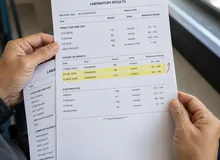
A lab report full of arrows and colors rarely comes with instructions. This card fixes that: find the value that just moved, match it to red (ER now), amber (call today), or green (routine, review at your next visit), then follow the short "do this" step underneath. It is a companion to The Lab-to-Action Guide — the full downloadable explainer at the bottom of this page — which walks through the "why" behind each number in plain language. Bihirang may kasamang tagubilin ang isang lab report na puno ng arrow at kulay. Inaayos ito ng card na ito: hanapin ang numerong kagagalaw lang, itugma ito sa pula (ER ngayon din), amber (tumawag ngayon), o berde (rutina, susuriin sa susunod na bisita), pagkatapos sundin ang maikling hakbang na "gawin ito" sa ibaba. Kasama ito ng The Lab-to-Action Guide — ang kumpletong madadownload na paliwanag sa ibaba ng pahinang ito — na tumatalakay sa "bakit" sa likod ng bawat numero sa simpleng pananalita. Panagsa ra adunay giubanan nga panudlo ang usa ka lab report nga puno sa arrow ug kolor. Gitul-id kini niini nga card: pangitaa ang numero nga bag-o lang nausab, itakda kini sa pula (ER karon), amber (tawag karon), o berde (rutina, susihon sa sunod nga bisita), unya sunda ang mubo nga lakang nga "buhata kini" sa ubos. Kauban kini sa The Lab-to-Action Guide — ang kompleto nga madaunload nga paliwanag sa ubos niini nga panid — nga naghisgot sa "ngano" sa likod sa matag numero sa yano nga pinulongan. Bihirang atin katung kayabe nang tuntunan ing metung a lab report a mapunu na king arrow at kulay. Iti ya ing card a mikakapagsalese kaniti: anapan ya ing numero a kaibat mag-bayu, itugma ya kaniya king malutu (ER ngeni na), amber (tawagan ngeni), o green (rutina, susian king kasunud a bisita), kaibat sundan ing maiksing hakbang a "gawan iti" king lalam. Kayabe ya iti ning The Lab-to-Action Guide — ing lubus a mapasibayus a paliwanag king lalam ning lawang á iti — a magsalese king "bakit" king lalam ning balang numero king dalumdum a amanu.
Six labs, one system Anim na lab, isang sistema Unom ka lab, usa ka sistema Anam a lab, metung a sistema
Potassium (K⁺), bicarbonate (HCO₃⁻), ACR (albumin-to-creatinine ratio), hemoglobin (Hgb), phosphorus (PO₄), and creatinine/eGFR (estimated glomerular filtration rate) are covered below, in that order. Jump straight to the one on your report. Ang potassium (K⁺), bicarbonate (HCO₃⁻), ACR, hemoglobin (Hgb), phosphorus (PO₄), at creatinine/eGFR ay nakasaad sa ibaba, sa pagkakasunod-sunod na iyon. Direktang tumalon sa numerong nasa inyong report. Ang potassium (K⁺), bicarbonate (HCO₃⁻), ACR, hemoglobin (Hgb), phosphorus (PO₄), ug creatinine/eGFR gitabon sa ubos, niana nga han-ay. Diretso lang sa numero nga naa sa inyong report. Ing potassium (K⁺), bicarbonate (HCO₃⁻), ACR, hemoglobin (Hgb), phosphorus (PO₄), at creatinine/eGFR ya makasulat king lalam, king kasunuran a iti. Tuluk king numerong atiu king report yu.
Universal Safety Triage — Read This First Pangkalahatang Triage sa Kaligtasan — Basahin Muna Ito Kinatibuk-ang Triage sa Kaluwasan — Basaha Una Kini Pangkalahatang Triage King Kaligtasan — Basan Mu Nune Iti
Chest pain, fainting, a very slow or irregular pulse, severe breathlessness, weakness you can't stand up through, confusion, or no urine for 12+ hours.Pananakit ng dibdib, pagkahimatay, napakabagal o iregular na pulso, matinding hirap sa paghinga, panghihinang hindi ka makatayo, pagkalito, o walang ihi nang 12+ oras.Sakit sa dughan, pagkalipong, hinay kaayo o iregular nga pulso, grabe nga kalisod sa pagginhawa, kaluya nga dili ka makatindog, kalibog, o walay ihi sulod sa 12+ ka oras.Sakit ning salu, pamanlipung, malambat o iregular a pulso, masakit a pamaginawa, kaluyan a e ka makatalakad, pamanlingu, o alang mih king 12+ oras.
One markedly abnormal value, a worsening trend, or new swelling / breathlessness / low urine — without red-flag symptoms.Isang malinaw na abnormal na halaga, lumalalang takbo, o bagong pamamaga / hirap sa paghinga / kaunting ihi — nang walang red-flag na sintomas.Usa ka klaro nga abnormal nga bili, misamot nga uso, o bag-ong panghubag / kalisod sa pagginhawa / gamay nga ihi — nga walay red-flag nga sintomas.Metung a malinaw a abnormal a value, lumalang takbu, o bayung pamanlati / masakit a pamaginawa / ditak a mih — alang red-flag a sintomas.
Mildly off, stable, no new symptoms. Apply the food + medication steps; review at your next visit.Bahagyang mali, matatag, walang bagong sintomas. Gawin ang mga hakbang sa pagkain + gamot; suriin sa susunod na bisita.Gamay ra ang kalainan, lig-on, walay bag-ong sintomas. Buhata ang mga lakang sa pagkaon + tambal; susiha sa sunod nga bisita.Ditak a mali, tatag, alang bayung sintomas. Gawan la reng hakbang king pamangan + gamut; usisan king kasunud a bisita.
The one rule that prevents most harm Ang isang panuntunang pumipigil sa karamihan ng pinsala Ang usa ka lagda nga nagpugong sa kadaghanan sa kadaot Ing metung a tuntunan a mangpigil king dakal a danio
Never start, stop, or change a prescription on your own because of a lab number. Many kidney-protective drugs (ACE inhibitors, ARBs, SGLT2 inhibitors, MRAs, diuretics) transiently nudge these numbers and are still doing their job. Bring the number to your doctor — the decision is a shared one. Huwag kailanman magsimula, magtigil, o magbago ng reseta nang mag-isa dahil lang sa isang numero ng lab. Maraming gamot na proteksyon sa bato (ACE inhibitors, ARBs, SGLT2 inhibitors, MRAs, diuretics) ang pansamantalang nagpapataas ng mga numerong ito at ginagampanan pa rin ang trabaho nito. Dalhin ang numero sa inyong doktor — magkasamang desisyon ito. Ayaw gyud pagsugod, pag-undang, o pag-usab sa reseta nga mag-inusara tungod lang sa usa ka numero sa lab. Daghang tambal nga proteksyon sa kidney (ACE inhibitors, ARBs, SGLT2 inhibitors, MRAs, diuretics) ang temporaryo nga nagpataas niini nga mga numero apan gibuhat gihapon ang trabaho niini. Dad-a ang numero sa imong doktor — hiniusa nga desisyon kini. 督e naman magumpisa, mag-tigil, o mibaltan ning reseta king sarili yu uli king metung a numero ning lab. Dakal a gamut a protection king bato (ACE inhibitors, ARBs, SGLT2 inhibitors, MRAs, diuretics) ing pasibayu na mitas king reng numerong iti at gagawa pa rin ning trabaju na. Dalan ing numero king doktor yu — mekasama a desisyon iti.
The Six Numbers, One at a Time Ang Anim na Numero, Isa-isa Ang Unom ka Numero, Usa-usa Ding Anam a Numero, Metung-metung
This section is kept in English for precise clinical values and drug names. Ang bahaging ito ay nasa Ingles para sa tumpak na klinikal na halaga at pangalan ng gamot. Kini nga seksyon gipabilin sa English alang sa sakto nga klinikal nga bili ug ngalan sa tambal. Ini nang seksyon ya nasa English para king tumpak a klinikal a value at lagyu ning gamut.
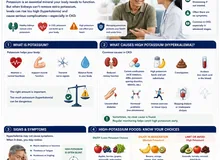
↑ Potassium (K⁺) normal 3.5–5.0 mmol/Lnormal 3.5–5.0 mmol/Lnormal 3.5–5.0 mmol/Lnormal 3.5–5.0 mmol/L
Heart-rhythm mineral. Too much can stop the heart with little warning.Mineral ng ritmo ng puso. Ang sobra ay maaaring huminto ang puso nang halos walang babala.Mineral sa ritmo sa kasingkasing. Ang sobra makapahunong sa kasingkasing nga halos walay pasidaan.Mineral ning ritmo ning pusu. Ing sobra malyaring patiginan ing pusu a halos alang babala.
Meds: Do NOT self-stop your ACEi (angiotensin-converting enzyme inhibitor)/ARB/spironolactone — ask about a potassium binder instead. Stop NSAIDs (mefenamic acid, ibuprofen).Gamot: HUWAG ihinto nang mag-isa ang inyong ACEi (angiotensin-converting enzyme inhibitor)/ARB/spironolactone — magtanong sa halip tungkol sa potassium binder. Itigil ang NSAIDs (mefenamic acid, ibuprofen).Tambal: AYAW undangi mag-inusara ang imong ACEi (angiotensin-converting enzyme inhibitor)/ARB/spironolactone — pangutana hinuon bahin sa potassium binder. Undangi ang NSAIDs (mefenamic acid, ibuprofen).Gamut: E mu itigil king sarili ing ACEi (angiotensin-converting enzyme inhibitor)/ARB/spironolactone yu — magkutang ka imbes tungkul king potassium binder. Itigil ing NSAIDs (mefenamic acid, ibuprofen).
Read next: Potassium & Hyperkalemia · Kain Pa Rin: CKD NutritionBasahin sunod: Potassium & Hyperkalemia · Kain Pa Rin: CKD NutritionBasaha sunod: Potassium & Hyperkalemia · Kain Pa Rin: CKD NutritionBasan tuki: Potassium & Hyperkalemia · Kain Pa Rin: CKD Nutrition
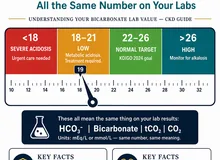
↓ Bicarbonate (HCO₃⁻) normal 22–29 mmol/Lnormal 22–29 mmol/Lnormal 22–29 mmol/Lnormal 22–29 mmol/L
Your blood's antacid. Low means acid building up — silent, but wastes bone & muscle.Ang antacid ng inyong dugo. Ang mababa ay nangangahulugang umiipon ang asido — tahimik, ngunit sinasayang ang buto & kalamnan.Ang antacid sa imong dugo. Ang ubos nagpasabot nga nagtapok ang asido — hilom, apan giusik ang bukog & kaunoran.Ing antacid ning daya yu. Ing mababa buri nang sabian mitipun ing asido — tahimik, dapot sasayang ing butul & laman.
Meds: Oral sodium bicarbonate when persistently <18. Report new swelling/breathlessness (sodium load).Gamot: Oral sodium bicarbonate kapag patuloy na <18. Iulat ang bagong pamamaga/hirap sa paghinga (sodium load).Tambal: Oral sodium bicarbonate kung padayon nga <18. Ireport ang bag-ong panghubag/kalisod sa pagginhawa (sodium load).Gamut: Oral sodium bicarbonate nung tuluy-tuluy a <18. Iulat ing bayung pamanlati/masakit a pamaginawa (sodium load).
Read next: Metabolic Acidosis in CKD · CKD-MBD (chronic kidney disease–mineral and bone disorder)Basahin sunod: Metabolic Acidosis in CKD · CKD-MBD (chronic kidney disease–mineral and bone disorder)Basaha sunod: Metabolic Acidosis in CKD · CKD-MBD (chronic kidney disease–mineral and bone disorder)Basan tuki: Metabolic Acidosis in CKD · CKD-MBD (chronic kidney disease–mineral and bone disorder)
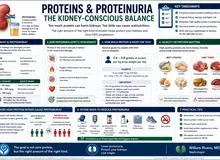
↑ ACR (Albumin/Creatinine) A1<30 · A2 30–300 · A3>300 mg/gA1<30 · A2 30–300 · A3>300 mg/gA1<30 · A2 30–300 · A3>300 mg/gA1<30 · A2 30–300 · A3>300 mg/g
Protein leaking through the filter — the earliest, strongest kidney & heart warning.Protinang tumatagas sa salaan — ang pinakamaaga at pinakamalakas na babala para sa bato & puso.Protina nga nagtulo sa salaan — ang pinakasayo ug pinakakusgan nga pasidaan sa bato & kasingkasing.Protina a tatalas king salaan — ing pekamaranun at pekamasikan a babala para king batu & pusu.
Meds: Maximize ACEi/ARB + SGLT2 inhibitor (± finerenone in diabetic kidney disease). A ~30% creatinine rise after starting is expected — not a reason to stop.Gamot: I-maximize ang ACEi/ARB + SGLT2 inhibitor (± finerenone sa diabetic kidney disease). Inaasahan ang ~30% na pagtaas ng creatinine pagkatapos magsimula — hindi dahilan para ihinto.Tambal: I-maximize ang ACEi/ARB + SGLT2 inhibitor (± finerenone sa diabetic kidney disease). Gipaabot ang ~30% nga pagsaka sa creatinine human magsugod — dili rason aron mohunong.Gamut: I-maximize ing ACEi/ARB + SGLT2 inhibitor (± finerenone king diabetic kidney disease). Aasan ing ~30% a pamitas ning creatinine kaibat mag-umpisa — ali dahilan para itigil.
Read next: Proteins & Proteinuria · Diabetes & Your KidneysBasahin sunod: Proteins & Proteinuria · Diabetes & Your KidneysBasaha sunod: Proteins & Proteinuria · Diabetes & Your KidneysBasan tuki: Proteins & Proteinuria · Diabetes & Your Kidneys
↓ Hemoglobin (Hgb) low <13 (M) / <12 (F) g/dLmababa <13 (M) / <12 (F) g/dLubos <13 (M) / <12 (F) g/dLmababa <13 (M) / <12 (F) g/dL
Oxygen carrier. Weak kidneys make less EPO (erythropoietin) and mishandle iron → the heart strains.Tagadala ng oksiheno. Ang mahihinang bato ay gumagawa ng mas kaunting EPO (erythropoietin) at hindi maayos na hinahawakan ang iron → napipilitan ang puso.Tigdala og oxygen. Ang huyang nga bato mohimo og mas gamay nga EPO (erythropoietin) ug dili maayo nga magdumala sa iron → maningkamot ang kasingkasing.Magdala king oxygen. Ing maluya a batu gagawa king mas ditak a EPO (erythropoietin) at ali mayap a asikasuan ing iron → mapilit ing pusu.
Meds: Iron first, then ESA (erythropoiesis-stimulating agent)/HIF-PHI (hypoxia-inducible factor prolyl hydroxylase inhibitor). Target ~10–11.5 g/dL — not "normal" (higher targets raised stroke/clot risk). Rule out bleeding.Gamot: Iron muna, tapos ESA (erythropoiesis-stimulating agent)/HIF-PHI (hypoxia-inducible factor prolyl hydroxylase inhibitor). Target ~10–11.5 g/dL — hindi "normal" (ang mas mataas na target ay nagpapataas ng panganib sa stroke/clot). Alisin ang posibilidad ng pagdurugo.Tambal: Iron una, dayon ESA (erythropoiesis-stimulating agent)/HIF-PHI (hypoxia-inducible factor prolyl hydroxylase inhibitor). Target ~10–11.5 g/dL — dili "normal" (ang mas taas nga target nagpataas sa risgo sa stroke/clot). Wagtanga ang posibilidad sa pagdugo.Gamut: Iron mumuna, kaibat ESA (erythropoiesis-stimulating agent)/HIF-PHI (hypoxia-inducible factor prolyl hydroxylase inhibitor). Target ~10–11.5 g/dL — ali "normal" (ing mas matas a target migpatas king panganib king stroke/clot). Alisan ing posibilidad ning pamagdaya.
Read next: Anemia in Kidney Disease · Iron: Fueling Every Red CellBasahin sunod: Anemia in Kidney Disease · Iron: Fueling Every Red CellBasaha sunod: Anemia in Kidney Disease · Iron: Fueling Every Red CellBasan tuki: Anemia in Kidney Disease · Iron: Fueling Every Red Cell
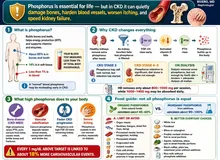
↑ Phosphorus (PO₄) normal 2.5–4.5 mg/dLnormal 2.5–4.5 mg/dLnormal 2.5–4.5 mg/dLnormal 2.5–4.5 mg/dL
Silent mineral that calcifies arteries & weakens bone via the PTH (parathyroid hormone)-vitamin D axis.Tahimik na mineral na nagpapatigas ng mga arterya & nagpapahina ng buto sa pamamagitan ng PTH (parathyroid hormone)-vitamin D axis.Hilom nga mineral nga nagpagahi sa mga arterya & nagpaluya sa bukog pinaagi sa PTH (parathyroid hormone)-vitamin D axis.Tahimik a mineral a magpatigas da reng arterya & magpaluya king butul king pamamagitan ning PTH (parathyroid hormone)-vitamin D axis.
Meds: Take phosphate binders WITH the first bites of every meal (useless on an empty stomach). Manage calcium, vitamin D & PTH together.Gamot: Inumin ang phosphate binders KASABAY ng unang subo ng bawat pagkain (walang silbi sa walang laman na tiyan). Pamahalaan nang sabay ang calcium, vitamin D & PTH.Tambal: Inoma ang phosphate binders UBAN sa unang usab sa matag pagkaon (walay pulos sa walay sulod nga tiyan). Dumalahi nga dungan ang calcium, vitamin D & PTH.Gamut: Inuman ing phosphate binders KAYABE ning mumunang subu ning balang pamangan (alang silbi king alang laman a atian). Asikasuan a sabay ing calcium, vitamin D & PTH.
Read next: Phosphorus: The Silent Threat · CKD-MBDBasahin sunod: Phosphorus: The Silent Threat · CKD-MBDBasaha sunod: Phosphorus: The Silent Threat · CKD-MBDBasan tuki: Phosphorus: The Silent Threat · CKD-MBD
↑ Creatinine / ↓ eGFR interpret vs YOUR baselinebasahin vs ang INYONG baselinehubara vs ang IMONG baselinebasan vs ing baseline YU
Mirror of filtering power. A sudden jump may be reversible AKI (acute kidney injury) on top of CKD.Salamin ng lakas ng pagsala. Ang biglaang pagtaas ay maaaring nababaligtad na AKI (acute kidney injury) sa ibabaw ng CKD.Salamin sa gahum sa pagsala. Ang kalit nga pagsaka mahimong mabalik nga AKI (acute kidney injury) ibabaw sa CKD.Salamin ning lakas ning pamanyala. Ing biglang pamitas malyaring mibabalik a AKI (acute kidney injury) king babo ning CKD.
Meds: Stop NSAIDs. Ask about "sick-day" holding of ACEi/ARB, SGLT2i (sodium–glucose cotransporter-2 inhibitor), diuretics & metformin during vomiting/diarrhea — and when to restart.Gamot: Itigil ang NSAIDs. Magtanong tungkol sa "sick-day" na pagtigil ng ACEi/ARB, SGLT2i (sodium–glucose cotransporter-2 inhibitor), diuretics & metformin habang nagsusuka/nagtatae — at kung kailan magsisimula muli.Tambal: Undangi ang NSAIDs. Pangutana bahin sa "sick-day" nga paghunong sa ACEi/ARB, SGLT2i (sodium–glucose cotransporter-2 inhibitor), diuretics & metformin panahon sa pagsuka/pagkalibang — ug kanus-a mag-usab pagsugod.Gamut: Itigil ing NSAIDs. Magkutang tungkul king "sick-day" a pamintu king ACEi/ARB, SGLT2i (sodium–glucose cotransporter-2 inhibitor), diuretics & metformin kapagany pamagsuka/pamagtae — at nung kapilan mag-umpisa pasibayu.
Read next: Taking Charge of CKD · Understanding Your Lab ResultsBasahin sunod: Taking Charge of CKD · Understanding Your Lab ResultsBasaha sunod: Taking Charge of CKD · Understanding Your Lab ResultsBasan tuki: Taking Charge of CKD · Understanding Your Lab Results
The Numbers Talk to Each Other Nag-uusap ang mga Numero Nagstoryahanay ang mga Numero Mekapamagsalitaan Deng Numero
These six labs are not six separate problems but one system. Falling eGFR is the hub; the other five are spokes — which is why one well-chosen action often moves several numbers at once. Ang anim na lab na ito ay hindi anim na hiwalay na problema kundi isang sistema. Ang bumabagsak na eGFR ang gitna; ang iba pang lima ay mga sanga — kaya isang tamang pinili na aksyon ay madalas na gumagalaw ng ilang numero nang sabay-sabay. Kining unom ka lab dili unom ka bulag nga problema kondili usa ka sistema. Ang naghinay nga eGFR mao ang sentro; ang uban limang mga sanga — mao nga usa ka maayong napili nga aksyon kasagarang naglihok sa daghang numero sa samang higayon. Deng anam a lab a iti ali anam a magkalarung a problema nune metung a sistema. Ing menaknum a eGFR ing gitna; deng aliwang lima reng sanga — iyanya reng bakit ing metung a mayap a apiling aksyon ay malimit a gagalo king pilan a numero king mabilis.
| LabLabLabLab | One-line meaningKahulugan sa isang linyaKahulugan sa usa ka linyaKabaldugan king metung a linya | Fastest patient actionPinakamabilis na aksyonPinakapaspas nga aksyonPekamibilis a aksyon | The drug conversationUsapan tungkol sa gamotEstorya bahin sa tambalPisasabian king gamut |
|---|---|---|---|
| High K⁺Mataas na K⁺Taas nga K⁺Matas a K⁺ | Heart-rhythm riskPanganib sa ritmo ng pusoRisgo sa ritmo sa kasingkasingPanganib king ritmo ning pusu | Stop buko/saba & salt-substituteItigil ang buko/saba & salt-substituteUndangi ang buko/saba & salt-substituteItigil ing buko/saba & salt-substitute | Keep RAASi + add binder, don't self-stopPanatilihin ang RAASi + dagdagan ng binder, huwag ihinto nang mag-isaIpadayon ang RAASi + dugangi og binder, ayaw undangi mag-inusaraPanatilian ing RAASi + dagdagan king binder, e mu itigil king sarili |
| Low HCO₃⁻Mababang HCO₃⁻Ubos nga HCO₃⁻Mababa a HCO₃⁻ | Acid building upUmiipon na asidoNagtapok nga asidoMitipun a asido | More veg, less excess meatMas maraming gulay, bawasan ang sobrang karneDaghan og utanon, kunhori ang sobra nga karneMas dakal a gulay, bawasan ing sobra a laman | Start oral bicarbonateSimulan ang oral bicarbonateSugdi ang oral bicarbonateUmpisan ing oral bicarbonate |
| Rising ACRTumataas na ACRNagsaka nga ACRTataas a ACR | Filter leakingTumatagas ang salaanNagtulo ang salaanTatalas ing salaan | Cut salt to ~5 g/dayBawasan ang asin sa ~5 g/arawKunhori ang asin ngadto sa ~5 g/adlawBawasan ing asin king ~5 g/aldo | Maximize ACEi/ARB + SGLT2i (±finerenone)I-maximize ang ACEi/ARB + SGLT2i (±finerenone)I-maximize ang ACEi/ARB + SGLT2i (±finerenone)I-maximize ing ACEi/ARB + SGLT2i (±finerenone) |
| Low HgbMababang HgbUbos nga HgbMababa a Hgb | Oxygen delivery downBumababa ang hatid na oksihenoNikunhod ang hatod nga oxygenMababa ing dela a oxygen | Iron-rich food, treat bleedingPagkaing mayaman sa iron, gamutin ang pagdurugoPagkaon nga dato sa iron, tambali ang pagdugoPamangan a dakal a iron, gamutan ing pamagdaya | Iron first, then ESA/HIF-PHI to ~10–11.5Iron muna, tapos ESA/HIF-PHI hanggang ~10–11.5Iron una, dayon ESA/HIF-PHI hangtod ~10–11.5Iron mumuna, kaibat ESA/HIF-PHI anggang ~10–11.5 |
| High PO₄Mataas na PO₄Taas nga PO₄Matas a PO₄ | Vessel/bone calcificationCalcification ng ugat/butoCalcification sa ugat/bukogCalcification ning ugat/butul | Cut phosphate additives (cola, processed meat)Bawasan ang phosphate additives (cola, processed na karne)Kunhori ang phosphate additives (cola, processed nga karne)Bawasan ing phosphate additives (cola, processed a laman) | Binders WITH meals; manage PTH/Vit DBinders KASABAY ng pagkain; pamahalaan ang PTH/Vit DBinders UBAN sa pagkaon; dumalahi ang PTH/Vit DBinders KAYABE ning pamangan; asikasuan ing PTH/Vit D |
| High CreatinineMataas na CreatinineTaas nga CreatinineMatas a Creatinine | Filtering fallingBumababa ang pagsalaNikunhod ang pagsalaMababa ing pamanyala | Hydrate (unless swollen); stop NSAIDsUminom ng tubig (maliban kung namamaga); itigil ang NSAIDsInom og tubig (gawas kung nanghubag); undangi ang NSAIDsUminum king danum (liban nung mamaga); itigil ing NSAIDs | Sick-day hold of nephrotoxins; find cause"Sick-day" na pagtigil ng nephrotoxins; hanapin ang sanhi"Sick-day" nga paghunong sa nephrotoxins; pangitaa ang hinungdan"Sick-day" a pamintu king nephrotoxins; anapan ing sangkan |
Want the Full Explanation? Gusto ang Buong Paliwanag? Gusto ang Bug-os nga Pagpasabot? Buri Ing Lubus a Paliwanag?
The Lab-to-Action Guide — Free Companion PDFThe Lab-to-Action Guide — Libreng Kasamang PDFThe Lab-to-Action Guide — Libreng Kauban nga PDFThe Lab-to-Action Guide — Libreng Kayabe a PDF
The full explainer behind every number on this card — the cross-organ story, common causes, and the KDIGO (Kidney Disease: Improving Global Outcomes)/ADA (American Diabetes Association)/ACC guidance each recommendation is anchored to. Print it or save it to your phone.Ang kumpletong paliwanag sa likod ng bawat numero sa card na ito — ang cross-organ na kwento, karaniwang sanhi, at ang gabay ng KDIGO (Kidney Disease: Improving Global Outcomes)/ADA (American Diabetes Association)/ACC na pinag-uugatan ng bawat rekomendasyon. I-print ito o i-save sa inyong telepono.Ang kompleto nga pagpasabot luyo sa matag numero niini nga card — ang cross-organ nga estorya, kasagarang hinungdan, ug ang giya sa KDIGO (Kidney Disease: Improving Global Outcomes)/ADA (American Diabetes Association)/ACC nga gipasukaran sa matag rekomendasyon. I-print kini o i-save sa imong telepono.Ing lubus a paliwanag king gulut ning balang numero king card a iti — ing cross-organ a salita, karaniwan a sangkan, at ing giya ning KDIGO (Kidney Disease: Improving Global Outcomes)/ADA (American Diabetes Association)/ACC a pikakaugatan ning balang rekomendasyon. I-print ya iti o i-save king telepono yu.