Why Machine Assignment MattersBakit Mahalaga ang Pagtatalaga ng MakinaNganong Importante ang Pag-asayn sa MakinaBakit Mahalaga ing Pamagtalaga Makina
In the Philippines, hemodialysis centers operate up to 3–4 sessions per machine per day. Each machine’s extracorporeal circuit, ports, and surfaces can harbor bloodborne viruses if infection control protocols are breached. Philippine Society of Nephrology (PSN) 2024 and Department of Health (DOH) AO 2012-0001 mandate strict machine separation by serostatus — not as a bureaucratic requirement, but because nosocomial hepatitis B virus (HBV) and hepatitis C virus (HCV) transmission in dialysis units is a documented, preventable harm.Sa Pilipinas, ang mga hemodialysis center ay maaaring magpatakbo ng hanggang 3–4 na session bawat makina kada araw. Ang extracorporeal circuit, mga port, at mga ibabaw ng bawat makina ay maaaring magtago ng mga bloodborne virus kung nalabag ang mga protocol sa kontrol ng impeksyon. Iniuutos ng Philippine Society of Nephrology (PSN) 2024 at Department of Health (DOH) AO 2012-0001 ang mahigpit na paghihiwalay ng makina ayon sa serostatus — hindi bilang burukratikong hinihingi, kundi dahil ang nosocomial na paghawa ng hepatitis B virus (HBV) at hepatitis C virus (HCV) sa mga dialysis unit ay dokumentado at maiiwasang pinsala.Sa Pilipinas, ang mga hemodialysis center makagpadagan hangtod 3–4 ka session matag makina kada adlaw. Ang extracorporeal circuit, mga port, ug mga ibabaw sa matag makina makatago og mga bloodborne virus kung malapas ang mga protocol sa pagpugong sa impeksyon. Gimando sa Philippine Society of Nephrology (PSN) 2024 ug Department of Health (DOH) AO 2012-0001 ang estrikto nga pagbulag sa makina base sa serostatus — dili isip burukratikong kinahanglanon, kondili tungod kay ang nosocomial nga pagtakod sa hepatitis B virus (HBV) ug hepatitis C virus (HCV) sa mga dialysis unit usa ka dokumentado ug malikayang kadaot.King Pilipinas, deng hemodialysis center makapagpadagan anggang 3–4 a session kada makina balang aldo. Ing extracorporeal circuit, deng port, at deng ibabo ning balang makina makapagtagu lang bloodborne virus nung malabag deng protocol king kontrol ning impeksyon. Ing Philippine Society of Nephrology (PSN) 2024 at Department of Health (DOH) AO 2012-0001 mag-utus lang mahigpit a pamikawani ning makina base king serostatus — ali bilang burukratikong kailangan, nune uling ing nosocomial a pamikalat ning hepatitis B virus (HBV) at hepatitis C virus (HCV) king deng dialysis unit metung yang dokumentado at maiwasan a pinsala.
Hepatitis B Virus (HBV)Hepatitis B Virus (HBV)Hepatitis B Virus (HBV)Hepatitis B Virus (HBV)
Extremely environmentally stable — survives on dry surfaces for more than 7 days. Standard cleaning without dedicated machine separation is insufficient to prevent transmission. High viral loads in HBsAg-positive patients amplify risk.Napakatatag sa kapaligiran — nakaliligtas sa tuyong ibabaw nang mahigit 7 araw. Ang karaniwang paglilinis nang walang nakalaang paghihiwalay ng makina ay hindi sapat upang mapigilan ang paghawa. Pinalalaki ng mataas na viral load sa mga HBsAg-positive na pasyente ang panganib.Lig-on kaayo sa palibot — mabuhi sa uga nga mga ibabaw og kapin 7 ka adlaw. Ang standard nga paghinlo nga walay gigahing pagbulag sa makina dili igo aron mapugngan ang pagtakod. Gipadako sa taas nga viral load sa mga HBsAg-positive nga pasyente ang risgo.Masikan ya king palibut — mabie ya king mangatuyung ibabo anggang labis 7 aldo. Ing karaniwan a pamanglinis a alang gigahin a pamikawani ning makina e ya sapat bang piglan ing pamikalat. Padaragulan ning matas a viral load karing HBsAg-positive a pasyente ing peligru.
Hepatitis C Virus (HCV)Hepatitis C Virus (HCV)Hepatitis C Virus (HCV)Hepatitis C Virus (HCV)
Spreads through shared machines, contaminated dialysis ports, blood-contaminated hands, and inadequate glove changes between patients. Machine separation is mandatory even after successful antiviral treatment in most Philippine hemodialysis (HD) centers.Kumakalat sa pamamagitan ng magkakabahaging makina, kontaminadong dialysis port, kamay na may dugo, at kulang na palit ng gwantes sa pagitan ng mga pasyente. Sapilitan ang paghihiwalay ng makina kahit pagkatapos ng matagumpay na antiviral treatment sa karamihan ng Philippine hemodialysis (HD) center.Mokaylap pinaagi sa gigamit-gamit nga mga makina, kontaminado nga dialysis port, kamot nga may dugo, ug kulang nga pag-ilis og gwantes tali sa mga pasyente. Mandatory ang pagbulag sa makina bisan human sa malampuson nga antiviral treatment sa kadaghanan sa Philippine hemodialysis (HD) center.Makakalat ya king kapamilatan da reng makabaging makina, kontaminadung dialysis port, gamat a atin daya, at kulang a pamanyaliwang gwantes king pilatan da reng pasyente. Sapilitan ing pamikawani ning makina agyang kaibat na ning matagumpay a antiviral treatment king kalakalan da reng Philippine hemodialysis (HD) center.
HIVHIVHIVHIV
Lower environmental stability than HBV/HCV and inactivated by standard disinfection. Nevertheless, a designated machine is required per Philippine center policy and RA 11166 protections. Universal precautions apply to every session for every patient.Mas mababang tatag sa kapaligiran kaysa HBV/HCV at napapatay ng standard disinfection. Gayunpaman, kinakailangan ang isang nakalaang makina ayon sa patakaran ng Philippine center at proteksyon ng RA 11166. Nalalapat ang universal precautions sa bawat session para sa bawat pasyente.Mas ubos ang kalig-on sa palibot kaysa HBV/HCV ug mapatay sa standard disinfection. Bisan pa niana, gikinahanglan ang usa ka gigahing makina sumala sa palisiya sa Philippine center ug proteksyon sa RA 11166. Ang universal precautions magamit sa matag session alang sa matag pasyente.Mas mababa ing katibayan king palibut kesa HBV/HCV at mapate ne ning standard disinfection. Makanya man, kailangan ya ing metung a gigahin a makina base king patakaran ning Philippine center at proteksyon ning RA 11166. Ing universal precautions maglalapat ya king balang session para king balang pasyente.
The Window Period: The Most Dangerous GapAng Window Period: Ang Pinakamapanganib na PuwangAng Window Period: Ang Labing Peligrosong LunaIng Window Period: Ing Pekamapanganib a Puang
A patient can be HBsAg-negative yet fully infectious during the first 1–8 weeks after HBV exposure. During this window, only Anti-HBc IgM is positive. Relying on HBsAg alone misses these cases entirely. Anti-HBc IgM testing is mandatory for all new patients.Ang isang pasyente ay maaaring HBsAg-negative ngunit lubos na nakahahawa sa unang 1–8 linggo pagkatapos ng HBV exposure. Sa window na ito, Anti-HBc IgM lamang ang positibo. Ang pag-asa sa HBsAg lamang ay ganap na nakaliligta sa mga kasong ito. Sapilitan ang Anti-HBc IgM testing para sa lahat ng bagong pasyente.Ang usa ka pasyente mahimong HBsAg-negative apan hingpit nga makatakod sulod sa unang 1–8 ka semana human sa HBV exposure. Niini nga window, Anti-HBc IgM ra ang positibo. Ang pagsalig sa HBsAg lamang hingpit nga makalabay niini nga mga kaso. Mandatory ang Anti-HBc IgM testing alang sa tanang bag-ong pasyente.Ing metung a pasyente maaari yang HBsAg-negative dapot lubos yang makasakit king mumunang 1–8 dominggu kaibat na ning HBV exposure. King window a ini, Anti-HBc IgM mu ing positibo. Ing pananalig king HBsAg mu ganap yang makalabas karing kasung deni. Sapilitan ing Anti-HBc IgM testing para king sablang bayung pasyente.
The four machine categories — Non-Isolation, Unknown/New, HBV-Isolation, and HCV-Isolation — are described in detail in Section 2. Human immunodeficiency virus (HIV) assignment is covered in Section 7.Ang apat na kategorya ng makina — Non-Isolation, Unknown/New, HBV-Isolation, at HCV-Isolation — ay inilalarawan nang detalyado sa Section 2. Ang pagtatalaga sa human immunodeficiency virus (HIV) ay tinatalakay sa Section 7.Ang upat ka kategorya sa makina — Non-Isolation, Unknown/New, HBV-Isolation, ug HCV-Isolation — gihulagway og detalyado sa Section 2. Ang pag-asayn sa human immunodeficiency virus (HIV) gihisgotan sa Section 7.Ing apat a kategorya ning makina — Non-Isolation, Unknown/New, HBV-Isolation, at HCV-Isolation — ilalarawan la nang detalyado king Section 2. Ing pamagtalaga king human immunodeficiency virus (HIV) atsura ne king Section 7.
The Four Standard Machine CategoriesAng Apat na Standard na Kategorya ng MakinaAng Upat ka Standard nga Kategorya sa MakinaIng Apat a Standard a Kategorya ning Makina
Philippine HD centers are required by DOH AO 2012-0001 to maintain at minimum the following dedicated machine types. Each category is mutually exclusive — a machine assigned to one group must not be used by patients from another group without completing enhanced inter-session disinfection as defined by center policy.Ang mga Philippine HD center ay inaatasan ng DOH AO 2012-0001 na panatilihin man lamang ang mga sumusunod na nakalaang uri ng makina. Ang bawat kategorya ay magkakabukod — ang isang makinang nakatalaga sa isang grupo ay hindi dapat gamitin ng mga pasyente mula sa ibang grupo nang hindi kumukumpleto ng enhanced inter-session disinfection ayon sa patakaran ng center.Ang mga Philippine HD center gikinahanglan sa DOH AO 2012-0001 nga huptan bisan minimum ang mosunod nga gigahing matang sa makina. Ang matag kategorya bulag sa usag usa — ang usa ka makina nga giasayn sa usa ka grupo dili angay gamiton sa mga pasyente gikan sa laing grupo kung wala mahuman ang enhanced inter-session disinfection sumala sa palisiya sa center.Deng Philippine HD center inaatasan la ning DOH AO 2012-0001 a panatilian man mu ing makatuking gigahin a uri ning makina. Ing balang kategorya makabukud ya — ing metung a makinang gigahin king metung a grupu e ya dapat gamitan da reng pasyente ibat king aliwang grupu nung ali makumpleto ing enhanced inter-session disinfection base king patakaran ning center.
▮ Non-Isolation Machine▮ Non-Isolation Machine▮ Non-Isolation Machine▮ Non-Isolation Machine
Who uses it: Patients with all serology negative (HBsAg−, Anti-HCV−, HIV−). Anti-HBs ≥10 mIU/mL preferred (or documented vaccination series). Rules: Re-screen every 3 months. If any result becomes reactive, transfer immediately to the appropriate isolation machine.Sino ang gumagamit: Mga pasyenteng negatibo lahat ng serology (HBsAg−, Anti-HCV−, HIV−). Mas mabuti ang Anti-HBs ≥10 mIU/mL (o dokumentadong vaccination series). Mga tuntunin: Mag-screen muli tuwing 3 buwan. Kung may resultang naging reactive, ilipat agad sa naaangkop na isolation machine.Kinsa ang mogamit: Mga pasyente nga negatibo tanan nga serology (HBsAg−, Anti-HCV−, HIV−). Mas maayo ang Anti-HBs ≥10 mIU/mL (o dokumentado nga vaccination series). Mga lagda: Usbon ang screen matag 3 ka bulan. Kung adunay resulta nga mahimong reactive, ibalhin dayon sa angay nga isolation machine.Ninung gagamit: Deng pasyenteng negatibo ngan deng serology (HBsAg−, Anti-HCV−, HIV−). Mas mayap ing Anti-HBs ≥10 mIU/mL (o dokumentadung vaccination series). Deng tuntunin: Mag-screen pasibayu balang 3 bulan. Nung atin resultang meging reactive, ilipat agad king angkop a isolation machine.
▮ Unknown / New Patient Machine▮ Unknown / New Patient Machine▮ Unknown / New Patient Machine▮ Unknown / New Patient Machine
Who uses it: Any patient with incomplete or pending serology (at least one of HBsAg, Anti-HCV, or HIV result is unavailable). Rules: Temporary assignment only. Treat as potentially infectious. Reassign within 1–2 sessions once all results are available. Do not use for known-seropositive patients.Sino ang gumagamit: Sinumang pasyenteng may kulang o nakabinbing serology (kahit isa sa HBsAg, Anti-HCV, o HIV na resulta ay wala pa). Mga tuntunin: Pansamantalang pagtatalaga lamang. Ituring na posibleng nakahahawa. Italaga muli sa loob ng 1–2 session kapag kumpleto na ang lahat ng resulta. Huwag gamitin para sa mga kilalang-seropositive na pasyente.Kinsa ang mogamit: Bisan kinsang pasyente nga may kulang o nagpaabot nga serology (bisan usa sa HBsAg, Anti-HCV, o HIV nga resulta wala pa). Mga lagda: Temporaryo nga pag-asayn lamang. Isipa nga posibleng makatakod. I-asayn pag-usab sulod sa 1–2 ka session kung kompleto na ang tanang resulta. Ayaw gamita alang sa nailhang seropositive nga mga pasyente.Ninung gagamit: Ninumang pasyenteng atin kulang o nakabinbin a serology (agyang metung king HBsAg, Anti-HCV, o HIV a resulta ala pa). Deng tuntunin: Pansamantalang pamagtalaga mu. Turing meng posibleng makasakit. Italaga pasibayu king loob ning 1–2 session nung kumpleto na ing ngan a resulta. E gamitan para karing kilalang-seropositive a pasyente.
▮ HBV-Isolation Machine▮ HBV-Isolation Machine▮ HBV-Isolation Machine▮ HBV-Isolation Machine
Who uses it: HBsAg-positive patients AND window-period patients (Anti-HBc IgM positive, regardless of HBsAg result). Rules: Dedicated machine AND dedicated nursing staff per session. Never shared with HCV-only or HIV-only patients. HBV + HIV co-infected patients use this machine with additional HIV precautions.Sino ang gumagamit: Mga HBsAg-positive na pasyente AT mga window-period na pasyente (Anti-HBc IgM positive, anuman ang resulta ng HBsAg). Mga tuntunin: Nakalaang makina AT nakalaang nursing staff bawat session. Huwag kailanman ibahagi sa mga HCV-only o HIV-only na pasyente. Ang mga HBV + HIV co-infected na pasyente ay gumagamit ng makinang ito na may karagdagang HIV precautions.Kinsa ang mogamit: Mga HBsAg-positive nga pasyente UG mga window-period nga pasyente (Anti-HBc IgM positive, bisan unsa ang resulta sa HBsAg). Mga lagda: Gigahing makina UG gigahing nursing staff matag session. Ayaw gyud ipaambit sa mga HCV-only o HIV-only nga pasyente. Ang mga HBV + HIV co-infected nga pasyente mogamit niini nga makina uban sa dugang nga HIV precautions.Ninung gagamit: Deng HBsAg-positive a pasyente AT deng window-period a pasyente (Anti-HBc IgM positive, agyang nanu ing resulta ning HBsAg). Deng tuntunin: Gigahin a makina AT gigahin a nursing staff kada session. E kayanuman ibaging karing HCV-only o HIV-only a pasyente. Deng HBV + HIV co-infected a pasyente gagamit lang kaniting makina a atin dagdag a HIV precautions.
▮ HCV-Isolation Machine▮ HCV-Isolation Machine▮ HCV-Isolation Machine▮ HCV-Isolation Machine
Who uses it: Anti-HCV reactive patients (confirmed or pending confirmation). Rules: Separate from HBV-isolation machines. In most Philippine HD centers, machine assignment persists for life once Anti-HCV is reactive, regardless of HCV RNA status. HCV + HIV co-infected patients use this machine with additional HIV precautions.Sino ang gumagamit: Mga Anti-HCV reactive na pasyente (nakumpirma o naghihintay ng kumpirmasyon). Mga tuntunin: Hiwalay sa mga HBV-isolation na makina. Sa karamihan ng Philippine HD center, ang pagtatalaga ng makina ay nananatili habambuhay kapag reactive na ang Anti-HCV, anuman ang HCV RNA status. Ang mga HCV + HIV co-infected na pasyente ay gumagamit ng makinang ito na may karagdagang HIV precautions.Kinsa ang mogamit: Mga Anti-HCV reactive nga pasyente (nakumpirma o naghulat sa kumpirmasyon). Mga lagda: Bulag sa mga HBV-isolation nga makina. Sa kadaghanan sa Philippine HD center, ang pag-asayn sa makina magpabilin sa tibuok kinabuhi kung reactive na ang Anti-HCV, bisan unsa ang HCV RNA status. Ang mga HCV + HIV co-infected nga pasyente mogamit niini nga makina uban sa dugang nga HIV precautions.Ninung gagamit: Deng Anti-HCV reactive a pasyente (nakumpirma o mananayang kumpirmasyon). Deng tuntunin: Makawani karing HBV-isolation a makina. King kalakalan da reng Philippine HD center, ing pamagtalaga ning makina manatili yang habang-bie nung reactive ne ing Anti-HCV, agyang nanu ing HCV RNA status. Deng HCV + HIV co-infected a pasyente gagamit lang kaniting makina a atin dagdag a HIV precautions.
Isolated Anti-HBc: A Special CaseIsolated Anti-HBc: Isang Espesyal na KasoIsolated Anti-HBc: Usa ka Espesyal nga KasoIsolated Anti-HBc: Metung a Espesyal a Kaso
Pattern: HBsAg−, Anti-HBs− or low, Anti-HBc Total +, Anti-HBc IgM−. This may represent old resolved HBV infection with waned Anti-HBs, occult HBV, or a false positive. Obtain HBV DNA and consult the nephrologist. Assignment to non-isolation is generally acceptable if HBV DNA is undetectable, but must not be assumed without physician review.Pattern: HBsAg−, Anti-HBs− o mababa, Anti-HBc Total +, Anti-HBc IgM−. Maaari nitong ipahiwatig ang lumang gumaling na HBV infection na kumupas na ang Anti-HBs, occult HBV, o isang false positive. Kumuha ng HBV DNA at kumonsulta sa nephrologist. Karaniwang katanggap-tanggap ang pagtatalaga sa non-isolation kung undetectable ang HBV DNA, ngunit hindi dapat ipagpalagay nang walang pagsusuri ng doktor.Pattern: HBsAg−, Anti-HBs− o ubos, Anti-HBc Total +, Anti-HBc IgM−. Mahimong magrepresentar sa daan nga naayo nga HBV infection nga nihina na ang Anti-HBs, occult HBV, o usa ka false positive. Pagkuha og HBV DNA ug pagkonsulta sa nephrologist. Kasagaran dawaton ang pag-asayn sa non-isolation kung undetectable ang HBV DNA, apan dili angay dahomon nga walay pagsusi sa doktor.Pattern: HBsAg−, Anti-HBs− o mababa, Anti-HBc Total +, Anti-HBc IgM−. Maaaring ipakit na ini ing lumang meyari a HBV infection a mikupas ne ing Anti-HBs, occult HBV, o metung a false positive. Kumua kang HBV DNA at kumonsulta king nephrologist. Karaniwan yang tanggap ing pamagtalaga king non-isolation nung undetectable ing HBV DNA, dapot e ya dapat asahan nung ala pang pagsusi ning doktor.
Never Use the HBV Machine for Non-HBV PatientsHuwag Kailanman Gamitin ang HBV Machine para sa Non-HBV na PasyenteAyaw Gyud Gamita ang HBV Machine alang sa Non-HBV nga mga PasyenteE Kayanuman Gamitan ing HBV Machine para karing Non-HBV a Pasyente
The HBV-isolation machine must never be used even temporarily for a seronegative patient. HBV contamination of the dialysate circuit, ports, and surfaces is extremely difficult to eliminate without a full enhanced disinfection cycle. One breach can cause seroconversion.Ang HBV-isolation na makina ay hindi dapat gamitin kailanman kahit pansamantala para sa isang seronegative na pasyente. Napakahirap alisin ang HBV contamination ng dialysate circuit, mga port, at mga ibabaw nang walang buong enhanced disinfection cycle. Isang paglabag lamang ang maaaring magdulot ng seroconversion.Ang HBV-isolation nga makina dili gyud angay gamiton bisan temporaryo alang sa usa ka seronegative nga pasyente. Lisod kaayo wagtangon ang HBV contamination sa dialysate circuit, mga port, ug mga ibabaw kung walay bug-os nga enhanced disinfection cycle. Usa ka paglapas makahimo og seroconversion.Ing HBV-isolation a makina e ya dapat gamitan kayanuman agyang pansamantala para king metung a seronegative a pasyente. Mangel yang alisan ing HBV contamination ning dialysate circuit, deng port, at deng ibabo nung ala mang ganap a enhanced disinfection cycle. Metung a paglabag mu makapagdulut yang seroconversion.

A chart of the four hemodialysis machine categories — Non-Isolation, Unknown or New, HBV-Isolation, and HCV-Isolation — showing who is assigned to each machine and the key safety rule for each.
Required Laboratory Tests Before Machine AssignmentMga Kinakailangang Laboratory Test Bago ang Pagtatalaga ng MakinaMga Gikinahanglang Laboratory Test Sa Wala Pa ang Pag-asayn sa MakinaDeng Kailangan a Laboratory Test Bayu ing Pamagtalaga Makina
Per PSN HD Guidelines 3rd Edition 2024, the following tests are mandatory before assigning any new patient to a hemodialysis machine. Incomplete results default to the Unknown/New Patient machine.Ayon sa PSN HD Guidelines 3rd Edition 2024, sapilitan ang mga sumusunod na test bago italaga ang sinumang bagong pasyente sa isang hemodialysis machine. Ang kulang na resulta ay awtomatikong napupunta sa Unknown/New Patient machine.Sumala sa PSN HD Guidelines 3rd Edition 2024, mandatory ang mosunod nga mga test sa wala pa i-asayn ang bisan kinsang bag-ong pasyente sa usa ka hemodialysis machine. Ang kulang nga resulta awtomatikong moadto sa Unknown/New Patient machine.Base king PSN HD Guidelines 3rd Edition 2024, sapilitan deng makatuking test bayu italaga ing ninumang bayung pasyente king metung a hemodialysis machine. Ing kulang a resulta awtomatikong papunta ya king Unknown/New Patient machine.
HBsAg — Hepatitis B Surface AntigenHBsAg — Hepatitis B Surface AntigenHBsAg — Hepatitis B Surface AntigenHBsAg — Hepatitis B Surface Antigen
The primary HBV screening test. If reactive → HBV-isolation machine immediately. A negative result does not rule out window period — proceed to Anti-HBc IgM.Ang pangunahing HBV screening test. Kung reactive → HBV-isolation machine agad. Ang negatibong resulta ay hindi nag-aalis ng posibilidad ng window period — tumuloy sa Anti-HBc IgM.Ang nag-unang HBV screening test. Kung reactive → HBV-isolation machine dayon. Ang negatibo nga resulta wala magwagtang sa posibilidad sa window period — padayon sa Anti-HBc IgM.Ing pangunang HBV screening test. Nung reactive → HBV-isolation machine agad. Ing negatibong resulta e na aalis ing posibilidad ning window period — tuluy king Anti-HBc IgM.
Anti-HBs — Hepatitis B Surface Antibody (titer)Anti-HBs — Hepatitis B Surface Antibody (titer)Anti-HBs — Hepatitis B Surface Antibody (titer)Anti-HBs — Hepatitis B Surface Antibody (titer)
≥10 mIU/mL indicates protective immunity (vaccination or natural clearance). Guides booster decisions. A protective titer allows non-isolation assignment when all other serology is negative.≥10 mIU/mL ang nagpapahiwatig ng protective immunity (bakuna o natural na paggaling). Gumagabay sa mga desisyon sa booster. Ang protective titer ay nagpapahintulot ng non-isolation na pagtatalaga kapag negatibo ang lahat ng ibang serology.≥10 mIU/mL ang nagpakita sa protective immunity (bakuna o natural nga pag-ayo). Naggiya sa mga desisyon sa booster. Ang protective titer nagtugot sa non-isolation nga pag-asayn kung negatibo ang tanang lain nga serology.≥10 mIU/mL ing magpakit king protective immunity (bakuna o natural a pamayap). Maggiya king deng desisyon king booster. Ing protective titer papayagan na ing non-isolation a pamagtalaga nung negatibo ing ngan a aliwang serology.
Anti-HBc Total (IgG + IgM combined)Anti-HBc Total (IgG + IgM combined)Anti-HBc Total (IgG + IgM combined)Anti-HBc Total (IgG + IgM combined)
Detects any prior HBV exposure. Must always be interpreted together with Anti-HBc IgM — cannot distinguish acute from chronic or resolved infection on its own.Natutukoy ang anumang naunang HBV exposure. Dapat laging bigyang-kahulugan kasama ang Anti-HBc IgM — hindi kayang tukuyin ang pagkakaiba ng acute sa chronic o gumaling na infection nang mag-isa.Makamatikod sa bisan unsang nauna nga HBV exposure. Kinahanglan kanunay hubaron uban sa Anti-HBc IgM — dili kaya nga ilhon ang kalainan sa acute gikan sa chronic o naayo nga infection nga mag-inusara.Matukyu ing ninumang mumunang HBV exposure. Dapat pane hubaran a kayabe ing Anti-HBc IgM — e na kaya tukyun ing pamikaiba ning acute king chronic o meyaring infection nung dili.
Anti-HBc IgM — CRITICALAnti-HBc IgM — CRITICALAnti-HBc IgM — CRITICALAnti-HBc IgM — CRITICAL
Positive + HBsAg negative = HBV window period = patient is currently infectious → HBV-isolation machine immediately. This is the single most important test for window period detection. Never omit in new patients.Positive + HBsAg negative = HBV window period = kasalukuyang nakahahawa ang pasyente → HBV-isolation machine agad. Ito ang pinakamahalagang test para sa pagtukoy ng window period. Huwag kailanman kaligtaan sa mga bagong pasyente.Positive + HBsAg negative = HBV window period = kasamtangang makatakod ang pasyente → HBV-isolation machine dayon. Kini ang labing importante nga test alang sa pagtukoy sa window period. Ayaw gyud kalimti sa mga bag-ong pasyente.Positive + HBsAg negative = HBV window period = kasalukuyan yang makasakit ing pasyente → HBV-isolation machine agad. Iti ing pekamahalagang test para king pamanukyu ning window period. E kayanuman kalinguan karing bayung pasyente.
HBeAg and Anti-HBeHBeAg and Anti-HBeHBeAg and Anti-HBeHBeAg and Anti-HBe
Hepatitis B e-antigen and antibody indicate viral replication phase and relative infectivity. These affect treatment decisions but do not change machine assignment — HBsAg-positive patients use the HBV machine regardless of HBeAg status.Ipinapahiwatig ng Hepatitis B e-antigen at antibody ang viral replication phase at relatibong infectivity. Nakakaapekto ang mga ito sa desisyon sa paggamot ngunit hindi binabago ang pagtatalaga ng makina — ang mga HBsAg-positive na pasyente ay gumagamit ng HBV machine anuman ang HBeAg status.Ang Hepatitis B e-antigen ug antibody nagpakita sa viral replication phase ug relatibong infectivity. Makaapekto kini sa desisyon sa pagtambal apan wala mag-usab sa pag-asayn sa makina — ang mga HBsAg-positive nga pasyente mogamit sa HBV machine bisan unsa ang HBeAg status.Ipakit na ning Hepatitis B e-antigen at antibody ing viral replication phase at relatibong infectivity. Makaapektu la king desisyon king lunas dapot e na babaliwan ing pamagtalaga makina — deng HBsAg-positive a pasyente gagamit lang HBV machine agyang nanu ing HBeAg status.
HBV DNA (Quantitative PCR)HBV DNA (Quantitative PCR)HBV DNA (Quantitative PCR)HBV DNA (Quantitative PCR)
Required for: isolated Anti-HBc cases, pre-antiviral therapy baseline, HBsAg clearance evaluation, and treatment monitoring. Not required for initial machine assignment in most cases.Kinakailangan para sa: mga isolated Anti-HBc na kaso, pre-antiviral therapy baseline, pagsusuri ng HBsAg clearance, at treatment monitoring. Hindi kinakailangan para sa unang pagtatalaga ng makina sa karamihan ng kaso.Gikinahanglan alang sa: mga isolated Anti-HBc nga kaso, pre-antiviral therapy baseline, ebalwasyon sa HBsAg clearance, ug treatment monitoring. Dili gikinahanglan alang sa inisyal nga pag-asayn sa makina sa kadaghanan sa kaso.Kailangan ya para king: deng isolated Anti-HBc a kaso, pre-antiviral therapy baseline, pagsusi ning HBsAg clearance, at treatment monitoring. E ya kailangan para king mumunang pamagtalaga makina king kalakalan a kaso.
Anti-HCV — Hepatitis C AntibodyAnti-HCV — Hepatitis C AntibodyAnti-HCV — Hepatitis C AntibodyAnti-HCV — Hepatitis C Antibody
If reactive → assign to HCV-isolation machine pending confirmatory testing. Order HCV RNA PCR to confirm active viremia. Anti-HCV persists for life even after successful treatment.Kung reactive → italaga sa HCV-isolation machine habang naghihintay ng confirmatory testing. Mag-order ng HCV RNA PCR upang kumpirmahin ang active viremia. Nananatili ang Anti-HCV habambuhay kahit pagkatapos ng matagumpay na paggamot.Kung reactive → i-asayn sa HCV-isolation machine samtang naghulat sa confirmatory testing. Pag-order og HCV RNA PCR aron kumpirmahon ang active viremia. Magpabilin ang Anti-HCV sa tibuok kinabuhi bisan human sa malampuson nga pagtambal.Nung reactive → italaga king HCV-isolation machine kabang mananaya king confirmatory testing. Mag-order kang HCV RNA PCR bang kumpirman ing active viremia. Manatili ing Anti-HCV habang-bie agyang kaibat na ning matagumpay a lunas.
HCV RNA PCR — Confirmatory / QuantitativeHCV RNA PCR — Confirmatory / QuantitativeHCV RNA PCR — Confirmatory / QuantitativeHCV RNA PCR — Confirmatory / Quantitative
Detectable within 1–2 weeks of HCV infection — before Anti-HCV becomes reactive. Required to confirm active viremia after reactive Anti-HCV and for treatment monitoring (SVR12).Natutukoy sa loob ng 1–2 linggo ng HCV infection — bago maging reactive ang Anti-HCV. Kinakailangan upang kumpirmahin ang active viremia pagkatapos ng reactive na Anti-HCV at para sa treatment monitoring (SVR12).Matukiban sulod sa 1–2 ka semana sa HCV infection — sa wala pa mahimong reactive ang Anti-HCV. Gikinahanglan aron kumpirmahon ang active viremia human sa reactive nga Anti-HCV ug alang sa treatment monitoring (SVR12).Matukyu king loob ning 1–2 dominggu ning HCV infection — bayu meging reactive ing Anti-HCV. Kailangan ya bang kumpirman ing active viremia kaibat ning reactive a Anti-HCV at para king treatment monitoring (SVR12).
HIV 1/2 Ag/Ab Combo (4th generation)HIV 1/2 Ag/Ab Combo (4th generation)HIV 1/2 Ag/Ab Combo (4th generation)HIV 1/2 Ag/Ab Combo (4th generation)
If reactive → confirmatory Western Blot or supplemental antibody testing. See Section 7 for machine assignment. 4th-gen assays shorten the detection window to ~18 days by detecting both p24 antigen and IgM/IgG simultaneously.Kung reactive → confirmatory Western Blot o supplemental antibody testing. Tingnan ang Section 7 para sa pagtatalaga ng makina. Pinaikli ng 4th-gen assays ang detection window sa ~18 araw sa pamamagitan ng pagtukoy ng p24 antigen at IgM/IgG nang sabay.Kung reactive → confirmatory Western Blot o supplemental antibody testing. Tan-awa ang Section 7 alang sa pag-asayn sa makina. Gipamubo sa 4th-gen assays ang detection window ngadto sa ~18 ka adlaw pinaagi sa pagtukoy sa p24 antigen ug IgM/IgG nga dungan.Nung reactive → confirmatory Western Blot o supplemental antibody testing. Lawen ing Section 7 para king pamagtalaga makina. Pepakuyad na ning 4th-gen assays ing detection window king ~18 aldo king pamamilatan ning pamanukyu king p24 antigen at IgM/IgG a sabay.
CBC, ALT, AST, Creatinine — Baseline PanelCBC, ALT, AST, Creatinine — Baseline PanelCBC, ALT, AST, Creatinine — Baseline PanelCBC, ALT, AST, Creatinine — Baseline Panel
Alanine aminotransferase (ALT)/aspartate aminotransferase (AST) rising unexpectedly in a seronegative patient may precede serological positivity by 2–6 weeks. Unexplained ALT >2× ULN → re-test with Anti-HBc IgM and HBsAg immediately.Ang di-inaasahang pagtaas ng alanine aminotransferase (ALT)/aspartate aminotransferase (AST) sa isang seronegative na pasyente ay maaaring mangyari 2–6 linggo bago ang serological positivity. Hindi maipaliwanag na ALT >2× ULN → i-test muli agad ang Anti-HBc IgM at HBsAg.Ang wala damha nga pagsaka sa alanine aminotransferase (ALT)/aspartate aminotransferase (AST) sa usa ka seronegative nga pasyente mahimong mag-una sa serological positivity og 2–6 ka semana. Dili masabtan nga ALT >2× ULN → usbon dayon ang test sa Anti-HBc IgM ug HBsAg.Ing e inaasahan a pagtas ning alanine aminotransferase (ALT)/aspartate aminotransferase (AST) king metung a seronegative a pasyente maaaring malyari 2–6 dominggu bayu ing serological positivity. E maipaliwanag a ALT >2× ULN → i-test pasibayu agad ing Anti-HBc IgM at HBsAg.
HBV Full Serology Interpretation TableTalahanayan ng Buong HBV Serology InterpretationTalaan sa Bug-os nga HBV Serology InterpretationTalahanayan ning Ganap a HBV Serology Interpretation
| HBsAg | Anti-HBs | Anti-HBc Total | Anti-HBc IgM | InterpretationInterpretasyonInterpretasyonInterpretasyon | Machine AssignmentPagtatalaga ng MakinaPag-asayn sa MakinaPamagtalaga Makina |
|---|---|---|---|---|---|
| − | − | − | − | Susceptible; no prior HBV exposureMadaling kapitan; walang naunang HBV exposureDali maapektohan; walay nauna nga HBV exposureMalagwa katatakan; alang mumunang HBV exposure | Non-Isolation after vaccination series |
| − | + (≥10) | − | − | Vaccine-induced immunityImmunity mula sa bakunaImmunity gikan sa bakunaImmunity ibat king bakuna | Non-Isolation |
| − | + | + | − | Past infection; naturally immuneNakaraang infection; natural na immuneNangaging infection; natural nga immuneMilabas a infection; natural a immune | Non-Isolation |
| + | − | + | − | Chronic HBV carrierChronic HBV carrierChronic HBV carrierChronic HBV carrier | HBV-Isolation |
| + | − | + | + | Acute HBV infectionAcute HBV infectionAcute HBV infectionAcute HBV infection | HBV-Isolation |
| − | − | + | + | WINDOW PERIOD — patient IS infectiousang pasyente AY nakahahawaang pasyente MAKATAKODing pasyente MAKASAKIT ya | HBV-Isolation ← CRITICAL |
| − | − | + | − | Isolated Anti-HBc (old exposure or false positive)Isolated Anti-HBc (lumang exposure o false positive)Isolated Anti-HBc (daan nga exposure o false positive)Isolated Anti-HBc (lumang exposure o false positive) | Physician Review Required — check HBV DNA |
| − | <10 | − | − | Vaccine non-responder or susceptibleVaccine non-responder o madaling kapitanVaccine non-responder o dali maapektohanVaccine non-responder o malagwa katatakan | Non-Isolation — re-vaccinate with high-dose series |

A step-by-step flowchart for reading hepatitis B blood tests, tracing the results down to the correct machine assignment and flagging the infectious window period when standard tests can still be negative.
Machine Allocation Decision ToolKasangkapan sa Desisyon ng Pag-uukol ng MakinaGamiton sa Desisyon sa Pag-alokar sa MakinaKasangkapan king Desisyon king Pamagbahagi Makina
Enter the patient’s serology results to receive an immediate machine assignment recommendation based on PSN 2024 guidelines. This tool is an educational aid — always confirm with the supervising nephrologist.Ilagay ang mga resulta ng serology ng pasyente upang makatanggap ng agarang rekomendasyon sa pagtatalaga ng makina batay sa PSN 2024 guidelines. Ang kasangkapang ito ay pantulong sa edukasyon — palaging kumpirmahin sa nangangasiwang nephrologist.Isulod ang mga resulta sa serology sa pasyente aron makadawat og diha-diha nga rekomendasyon sa pag-asayn sa makina base sa PSN 2024 guidelines. Kini nga gamiton usa ka pang-edukasyon nga tabang — kanunay kumpirmaha sa nagdumala nga nephrologist.Ilage deng resulta ning serology ning pasyente bang makatanggap kang agad a rekomendasyon king pamagtalaga makina base king PSN 2024 guidelines. Ining kasangkapan metung yang pantulung king edukasyon — pane kumpirman king nangangasiwang nephrologist.
Machine Allocation Decision Tool
Enter the patient's serology results to receive a machine assignment recommendation based on PSN HD Guidelines (3rd Ed. 2024) and DOH AO 2012-0001.
Periodic Screening Schedule (PSN 2024)Panaka-nakang Iskedyul ng Screening (PSN 2024)Panahon-panahon nga Iskedyul sa Screening (PSN 2024)Paminta-mintang Iskedyul ning Screening (PSN 2024)
All patients on maintenance hemodialysis require regular viral serology surveillance. Frequency increases when exposure is suspected or a new seropositive case is identified in the unit.Ang lahat ng pasyente sa maintenance hemodialysis ay nangangailangan ng regular na viral serology surveillance. Tumataas ang dalas kapag pinaghihinalaan ang exposure o may bagong seropositive na kaso na natukoy sa unit.Ang tanang pasyente sa maintenance hemodialysis nagkinahanglan og regular nga viral serology surveillance. Motaas ang kasubsob kung gisuspetsahan ang exposure o adunay bag-ong seropositive nga kaso nga naila sa unit.Ing ngan a pasyente king maintenance hemodialysis kailangan da ing regular a viral serology surveillance. Tataas ing kadalas nung pinaghinalaan ing exposure o atin bayung seropositive a kaso a metukyu king unit.
| Test | BaselineBaselineBaselineBaseline | Routine IntervalRegular na AgwatRegular nga AgwatRegular a Agwat | Accelerated IntervalPinabilis na AgwatGipadali nga AgwatPepakabilis a Agwat | NotesMga TalaMga NotaDeng Tala |
|---|---|---|---|---|
| HBsAg | RequiredKinakailanganGikinahanglanKailangan | Every 3 monthsTuwing 3 buwanMatag 3 ka bulanBalang 3 bulan | Monthly if exposure suspectedBuwan-buwan kung pinaghihinalaan ang exposureBinulan kung gisuspetsahan ang exposureBulan-bulan nung pinaghinalaan ing exposure | All non-immune patientsLahat ng non-immune na pasyenteTanang non-immune nga pasyenteIng ngan a non-immune a pasyente |
| Anti-HBs titer | RequiredKinakailanganGikinahanglanKailangan | Every 6 monthsTuwing 6 na buwanMatag 6 ka bulanBalang 6 bulan | After booster dosesPagkatapos ng booster dosesHuman sa booster dosesKaibat ning booster doses | Booster if <10 mIU/mLBooster kung <10 mIU/mLBooster kung <10 mIU/mLBooster nung <10 mIU/mL |
| Anti-HBc IgM | Required (new patients)Kinakailangan (bagong pasyente)Gikinahanglan (bag-ong pasyente)Kailangan (bayung pasyente) | Not routine — order if seroconversion suspectedHindi rutinaryo — i-order kung pinaghihinalaan ang seroconversionDili rutina — i-order kung gisuspetsahan ang seroconversionE rutinaryo — i-order nung pinaghinalaan ing seroconversion | Immediately if ALT rises or HBsAg convertsKaagad kung tumaas ang ALT o nag-convert ang HBsAgDiha-diha kung mosaka ang ALT o mo-convert ang HBsAgAgad nung tumas ing ALT o mag-convert ing HBsAg | Window period detectionPagtukoy ng window periodPagtukoy sa window periodPamanukyu ning window period |
| Anti-HCV | RequiredKinakailanganGikinahanglanKailangan | Every 3 monthsTuwing 3 buwanMatag 3 ka bulanBalang 3 bulan | Monthly during center outbreakBuwan-buwan kapag may outbreak sa centerBinulan kung adunay outbreak sa centerBulan-bulan nung atin outbreak king center | Confirm reactive with HCV RNA PCRKumpirmahin ang reactive gamit ang HCV RNA PCRKumpirmaha ang reactive pinaagi sa HCV RNA PCRKumpirman ing reactive gamit ing HCV RNA PCR |
| HIV Ag/Ab combo | RequiredKinakailanganGikinahanglanKailangan | Every 6–12 monthsTuwing 6–12 buwanMatag 6–12 ka bulanBalang 6–12 bulan | After needlestick or high-risk exposurePagkatapos ng needlestick o high-risk na exposureHuman sa needlestick o high-risk nga exposureKaibat ning needlestick o high-risk a exposure | 4th-gen assay preferredMas mainam ang 4th-gen assayMas maayo ang 4th-gen assayMas mayap ing 4th-gen assay |
| HBV DNA | When clinically indicatedKapag klinikal na ipinahiwatigKung klinikal nga gitudloNung klinikal a ipakit | When indicatedKapag ipinahiwatigKung gitudloNung ipakit | — | Isolated Anti-HBc, pre-treatment, HBsAg clearanceIsolated Anti-HBc, pre-treatment, HBsAg clearanceIsolated Anti-HBc, pre-treatment, HBsAg clearanceIsolated Anti-HBc, pre-treatment, HBsAg clearance |
| HCV RNA (PCR) | After reactive Anti-HCVPagkatapos ng reactive na Anti-HCVHuman sa reactive nga Anti-HCVKaibat ning reactive a Anti-HCV | Treatment monitoringTreatment monitoringTreatment monitoringTreatment monitoring | — | SVR confirmation at 12 weeks post-treatmentSVR confirmation sa 12 linggo pagkatapos ng paggamotSVR confirmation sa 12 ka semana human sa pagtambalSVR confirmation king 12 dominggu kaibat ning lunas |
| ALT / AST | RequiredKinakailanganGikinahanglanKailangan | MonthlyBuwan-buwanBinulanBulan-bulan | — | Rising ALT may precede seroconversion by weeksAng pagtaas ng ALT ay maaaring mauna sa seroconversion nang ilang linggoAng pagsaka sa ALT mahimong mag-una sa seroconversion og pipila ka semanaIng pagtas ning ALT maaaring mumuna king seroconversion king mapilan a dominggu |
Rising ALT: Act Before SeroconversionPagtaas ng ALT: Kumilos Bago ang SeroconversionPagsaka sa ALT: Molihok Sa Wala Pa ang SeroconversionPagtas ning ALT: Kumilos Bayu ing Seroconversion
An unexplained rise in ALT (>2× ULN) in a seronegative dialysis patient should prompt immediate re-testing with Anti-HBc IgM and HBsAg — even if the previous test was negative less than a month ago. ALT elevation commonly precedes serological positivity by 2–6 weeks. Early detection allows earlier machine reassignment and contact tracing.Ang hindi maipaliwanag na pagtaas ng ALT (>2× ULN) sa isang seronegative na dialysis patient ay dapat mag-udyok ng agarang muling pagte-test ng Anti-HBc IgM at HBsAg — kahit na negatibo ang naunang test wala pang isang buwan ang nakalipas. Karaniwang nauuna ang pagtaas ng ALT sa serological positivity nang 2–6 linggo. Ang maagang pagtukoy ay nagbibigay-daan sa mas maagang muling pagtatalaga ng makina at contact tracing.Ang dili masabtan nga pagsaka sa ALT (>2× ULN) sa usa ka seronegative nga dialysis patient kinahanglan mag-aghat og diha-diha nga pag-usab sa test sa Anti-HBc IgM ug HBsAg — bisan pa negatibo ang nauna nga test wala pay usa ka bulan ang milabay. Kasagaran mag-una ang pagsaka sa ALT sa serological positivity og 2–6 ka semana. Ang sayo nga pagtukoy nagtugot og mas sayo nga pag-usab sa asayn sa makina ug contact tracing.Ing e maipaliwanag a pagtas ning ALT (>2× ULN) king metung a seronegative a dialysis patient dapat mag-udyuk kang agad a pasibayung pag-test ning Anti-HBc IgM at HBsAg — agyang negatibo ing mumunang test ala pang metung a bulan ing milabas. Karaniwan mumuna ing pagtas ning ALT king serological positivity king 2–6 dominggu. Ing maranun a pamanukyu magbibie-dalan king mas maranun a pasibayung pamagtalaga makina at contact tracing.
Cluster Response ScreeningScreening sa Pagtugon sa ClusterScreening sa Pagtubag sa ClusterScreening king Pamamie king Cluster
If a new HBV or HCV seroconversion is identified, DOH AO 2012-0001 requires screening of all patients who shared the same machine within the preceding 3–6 months. Do not wait for the next routine screening cycle.Kung may natukoy na bagong HBV o HCV seroconversion, iniaatas ng DOH AO 2012-0001 ang screening ng lahat ng pasyenteng gumamit ng parehong makina sa nakaraang 3–6 na buwan. Huwag hintayin ang susunod na rutinaryong screening cycle.Kung adunay naila nga bag-ong HBV o HCV seroconversion, gikinahanglan sa DOH AO 2012-0001 ang screening sa tanang pasyente nga migamit sa samang makina sulod sa milabay nga 3–6 ka bulan. Ayaw hulata ang sunod nga rutina nga screening cycle.Nung atin metukyu a bayung HBV o HCV seroconversion, inaatas ning DOH AO 2012-0001 ing screening ning ngan a pasyenteng gumamit king parehung makina king milabas a 3–6 bulan. E lang aantayan ing tutuking rutinaryung screening cycle.
Hepatitis B Vaccination Protocol for Dialysis PatientsProtocol sa Pagbabakuna Laban sa Hepatitis B para sa mga Dialysis PatientProtocol sa Pagbakuna Batok sa Hepatitis B alang sa mga Dialysis PatientProtocol king Pamagbakuna Kontra king Hepatitis B para karing Dialysis Patient
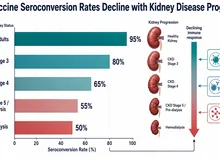
Chronic kidney disease (CKD) and dialysis patients have impaired immune responses due to uremia-related immunosuppression. Seroconversion rates after standard HBV vaccination are significantly lower than in the general population. Higher-dose schedules are required.Ang mga pasyenteng may chronic kidney disease (CKD) at nasa dialysis ay may mahinang immune response dahil sa uremia-related immunosuppression. Mas mababa nang malaki ang seroconversion rate pagkatapos ng standard HBV vaccination kaysa sa pangkalahatang populasyon. Kinakailangan ang mga higher-dose na iskedyul.Ang mga pasyente nga may chronic kidney disease (CKD) ug naa sa dialysis adunay huyang nga immune response tungod sa uremia-related immunosuppression. Mas ubos og maayo ang seroconversion rate human sa standard HBV vaccination kaysa sa kinatibuk-ang populasyon. Gikinahanglan ang mga higher-dose nga iskedyul.Deng pasyenteng atin chronic kidney disease (CKD) at atyu king dialysis atin lang maina a immune response uli ning uremia-related immunosuppression. Mas mababa yang maragul ing seroconversion rate kaibat ning standard HBV vaccination kesa king pangkabilugang populasyon. Kailangan la deng higher-dose a iskedyul.
Standard Pre-Dialysis / CKD ScheduleStandard na Pre-Dialysis / CKD na IskedyulStandard nga Pre-Dialysis / CKD nga IskedyulStandard a Pre-Dialysis / CKD a Iskedyul
Engerix-B 20 mcg (1 mL) IM at months 0, 1, 6
— or —
Recombivax HB 10 mcg IM at months 0, 1, 6
Check Anti-HBs titer 1–2 months after final dose.
Target: Anti-HBs ≥10 mIU/mLEngerix-B 20 mcg (1 mL) IM at months 0, 1, 6
— or —
Recombivax HB 10 mcg IM at months 0, 1, 6
Suriin ang Anti-HBs titer 1–2 buwan pagkatapos ng huling dose.
Target: Anti-HBs ≥10 mIU/mLEngerix-B 20 mcg (1 mL) IM at months 0, 1, 6
— or —
Recombivax HB 10 mcg IM at months 0, 1, 6
Susiha ang Anti-HBs titer 1–2 ka bulan human sa kataposang dose.
Target: Anti-HBs ≥10 mIU/mLEngerix-B 20 mcg (1 mL) IM at months 0, 1, 6
— or —
Recombivax HB 10 mcg IM at months 0, 1, 6
Suriin ing Anti-HBs titer 1–2 bulan kaibat ning tawling dose.
Target: Anti-HBs ≥10 mIU/mL
High-Dose Dialysis Schedule (Preferred)High-Dose Dialysis na Iskedyul (Mas Mainam)High-Dose Dialysis nga Iskedyul (Mas Maayo)High-Dose Dialysis a Iskedyul (Mas Mayap)
Engerix-B 40 mcg (2×1 mL) IM at months 0, 1, 2, 6
— or —
Recombivax HB 40 mcg (dialysis formulation) at months 0, 1, 6
Check Anti-HBs titer 4–8 weeks after final dose.
Annual titer check; booster if <10 mIU/mLEngerix-B 40 mcg (2×1 mL) IM at months 0, 1, 2, 6
— or —
Recombivax HB 40 mcg (dialysis formulation) at months 0, 1, 6
Suriin ang Anti-HBs titer 4–8 linggo pagkatapos ng huling dose.
Taunang titer check; booster kung <10 mIU/mLEngerix-B 40 mcg (2×1 mL) IM at months 0, 1, 2, 6
— or —
Recombivax HB 40 mcg (dialysis formulation) at months 0, 1, 6
Susiha ang Anti-HBs titer 4–8 ka semana human sa kataposang dose.
Tinuig nga titer check; booster kung <10 mIU/mLEngerix-B 40 mcg (2×1 mL) IM at months 0, 1, 2, 6
— or —
Recombivax HB 40 mcg (dialysis formulation) at months 0, 1, 6
Suriin ing Anti-HBs titer 4–8 dominggu kaibat ning tawling dose.
Banua-banuang titer check; booster nung <10 mIU/mL
Machine Assignment Based on Vaccination and Titer StatusPagtatalaga ng Makina Batay sa Bakuna at Titer StatusPag-asayn sa Makina Base sa Bakuna ug Titer StatusPamagtalaga Makina Base king Bakuna at Titer Status
- Anti-HBs ≥10 mIU/mL + all other serology negative → Non-isolation machineAnti-HBs ≥10 mIU/mL + negatibo ang lahat ng ibang serology → Non-isolation machineAnti-HBs ≥10 mIU/mL + negatibo ang tanang lain nga serology → Non-isolation machineAnti-HBs ≥10 mIU/mL + negatibo ing ngan a aliwang serology → Non-isolation machine
- Anti-HBs <10 mIU/mL + all other serology negative → Non-isolation machine; initiate or restart high-dose vaccination series; re-check titer in 2 monthsAnti-HBs <10 mIU/mL + negatibo ang lahat ng ibang serology → Non-isolation machine; simulan o simulan muli ang high-dose vaccination series; suriing muli ang titer sa loob ng 2 buwanAnti-HBs <10 mIU/mL + negatibo ang tanang lain nga serology → Non-isolation machine; sugdan o sugdan pag-usab ang high-dose vaccination series; susihon pag-usab ang titer sulod sa 2 ka bulanAnti-HBs <10 mIU/mL + negatibo ing ngan a aliwang serology → Non-isolation machine; umpisan o umpisan pasibayu ing high-dose vaccination series; suriin pasibayu ing titer king loob ning 2 bulan
- Non-responder (Anti-HBs <10 mIU/mL after two complete high-dose series) → Non-isolation machine; consider HBIG for post-exposure prophylaxis; apply enhanced precautions; document non-responder statusNon-responder (Anti-HBs <10 mIU/mL pagkatapos ng dalawang kumpletong high-dose series) → Non-isolation machine; isaalang-alang ang HBIG para sa post-exposure prophylaxis; maglapat ng enhanced precautions; idokumento ang non-responder statusNon-responder (Anti-HBs <10 mIU/mL human sa duha ka kompleto nga high-dose series) → Non-isolation machine; hunahunaa ang HBIG alang sa post-exposure prophylaxis; ipahamtang ang enhanced precautions; idokumento ang non-responder statusNon-responder (Anti-HBs <10 mIU/mL kaibat ning aduang kumpletung high-dose series) → Non-isolation machine; isipan ing HBIG para king post-exposure prophylaxis; maglapat kang enhanced precautions; idokumento ing non-responder status
- HBsAg pending → Unknown/New machine until result confirmedHBsAg pending → Unknown/New machine hanggang makumpirma ang resultaHBsAg pending → Unknown/New machine hangtod makumpirma ang resultaHBsAg pending → Unknown/New machine anggang makumpirma ing resulta
Non-Responders (approximately 5–10% of dialysis patients)Mga Non-Responder (humigit-kumulang 5–10% ng mga dialysis patient)Mga Non-Responder (mga 5–10% sa mga dialysis patient)Deng Non-Responder (manga 5–10% da reng dialysis patient)
After two complete high-dose series, approximately 5–10% of dialysis patients remain Anti-HBs <10 mIU/mL. These patients are permanently susceptible to HBV. If exposed, they should receive HBIG (0.06 mL/kg IM) as soon as possible (within 24 hours preferred). Document non-responder status prominently in the chart.Pagkatapos ng dalawang kumpletong high-dose series, humigit-kumulang 5–10% ng mga dialysis patient ay nananatiling Anti-HBs <10 mIU/mL. Ang mga pasyenteng ito ay permanenteng madaling kapitan ng HBV. Kung ma-expose, dapat silang tumanggap ng HBIG (0.06 mL/kg IM) sa lalong madaling panahon (mas mainam sa loob ng 24 oras). Idokumento nang malinaw ang non-responder status sa chart.Human sa duha ka kompleto nga high-dose series, mga 5–10% sa mga dialysis patient magpabilin nga Anti-HBs <10 mIU/mL. Kini nga mga pasyente permanenteng dali maapektohan sa HBV. Kung ma-expose, kinahanglan sila makadawat og HBIG (0.06 mL/kg IM) sa labing madali (mas maayo sulod sa 24 ka oras). Idokumento og klaro ang non-responder status sa chart.Kaibat ning aduang kumpletung high-dose series, manga 5–10% da reng dialysis patient manatili lang Anti-HBs <10 mIU/mL. Deng pasyenteng deni permanente lang malagwa katatakan ning HBV. Nung ma-expose, dapat lang tumanggap kang HBIG (0.06 mL/kg IM) king pekamaranun a panaun (mas mayap king loob ning 24 oras). Idokumento nang malinaw ing non-responder status king chart.
HIV and Machine AssignmentHIV at Pagtatalaga ng MakinaHIV ug Pag-asayn sa MakinaHIV at Pamagtalaga Makina
Legal Right to DialysisLegal na Karapatan sa DialysisLegal nga Katungod sa DialysisLegal a Karapatan king Dialysis
HIV is not a barrier to hemodialysis. Republic Act No. 11166 (Philippine HIV and AIDS Policy Act, 2018) prohibits any health facility from denying life-sustaining treatment based solely on HIV status. Denial of dialysis to a person living with HIV is a violation of Philippine law.Ang HIV ay hindi hadlang sa hemodialysis. Ipinagbabawal ng Republic Act No. 11166 (Philippine HIV and AIDS Policy Act, 2018) ang anumang health facility na tumanggi sa life-sustaining treatment batay lamang sa HIV status. Ang pagtanggi ng dialysis sa isang taong may HIV ay paglabag sa batas ng Pilipinas.Ang HIV dili babag sa hemodialysis. Gidili sa Republic Act No. 11166 (Philippine HIV and AIDS Policy Act, 2018) ang bisan unsang health facility sa pagbalibad sa life-sustaining treatment base lamang sa HIV status. Ang pagbalibad sa dialysis sa usa ka tawo nga may HIV usa ka paglapas sa balaod sa Pilipinas.Ing HIV ali yang hadlang king hemodialysis. Ipagbabawal ning Republic Act No. 11166 (Philippine HIV and AIDS Policy Act, 2018) ing ninumang health facility a tumanggi king life-sustaining treatment base mu king HIV status. Ing pamantanggi king dialysis king metung a taung atin HIV metung yang paglabag king batas ning Pilipinas.
Per PSN HD Guidelines 2024 and DOH policy, HIV-positive patients are assigned to a machine separate from the non-isolation pool. Philippine HD center practice varies: some maintain a dedicated HIV machine; others use the HCV-isolation machine with enhanced between-session disinfection (1:10 sodium hypochlorite cycle). Both approaches are acceptable provided universal precautions are strictly applied.Ayon sa PSN HD Guidelines 2024 at patakaran ng DOH, ang mga HIV-positive na pasyente ay itinatalaga sa makinang hiwalay sa non-isolation pool. Nag-iiba ang kasanayan ng Philippine HD center: pinananatili ng ilan ang nakalaang HIV machine; ang iba ay gumagamit ng HCV-isolation machine na may enhanced between-session disinfection (1:10 sodium hypochlorite cycle). Katanggap-tanggap ang parehong paraan basta mahigpit na sinusunod ang universal precautions.Sumala sa PSN HD Guidelines 2024 ug palisiya sa DOH, ang mga HIV-positive nga pasyente giasayn sa makina nga bulag sa non-isolation pool. Lain-lain ang buhat sa Philippine HD center: ang uban naghupot og gigahing HIV machine; ang uban mogamit sa HCV-isolation machine nga may enhanced between-session disinfection (1:10 sodium hypochlorite cycle). Duha ka paagi madawat basta estrikto nga gisunod ang universal precautions.Base king PSN HD Guidelines 2024 at patakaran ning DOH, deng HIV-positive a pasyente italaga la king makinang makawani king non-isolation pool. Maiba-iba ing kasanayan da reng Philippine HD center: panatilian da ning mapilan ing gigahin a HIV machine; deng aliwa gagamit lang HCV-isolation machine a atin enhanced between-session disinfection (1:10 sodium hypochlorite cycle). Tanggap la ding aduang paralan basta mahigpit a tinuki ing universal precautions.
Unlike HBV and HCV, HIV has low environmental stability and is inactivated by standard dialysis machine disinfection procedures. The transmission risk through the dialysis machine circuit is extremely low with proper precautions — far lower than through needlestick or blood splash.Hindi tulad ng HBV at HCV, ang HIV ay may mababang tatag sa kapaligiran at napapatay ng standard dialysis machine disinfection procedures. Napakababa ng panganib ng paghawa sa pamamagitan ng dialysis machine circuit kapag may tamang pag-iingat — mas mababa kaysa sa needlestick o blood splash.Dili sama sa HBV ug HCV, ang HIV may ubos nga kalig-on sa palibot ug mapatay sa standard dialysis machine disinfection procedures. Ubos kaayo ang risgo sa pagtakod pinaagi sa dialysis machine circuit kung may hustong pag-amping — mas ubos kaysa sa needlestick o blood splash.E anti ing HBV at HCV, ing HIV atin yang mababang katibayan king palibut at mapate ne ning standard dialysis machine disinfection procedures. Mababa yang tuknang ing peligru ning pamikalat king dialysis machine circuit nung atin tamang pag-iingat — mas mababa kesa king needlestick o blood splash.
Confidentiality (RA 11166): A patient’s HIV status must not be disclosed without informed consent. Machine labels must not publicly identify a patient as HIV-positive. Use internal coded labels (e.g., machine number with session codes) consistent with center infection control policy.Pagkapribado (RA 11166): Ang HIV status ng pasyente ay hindi dapat ibunyag nang walang informed consent. Ang mga label ng makina ay hindi dapat pampublikong magpakilala sa pasyente bilang HIV-positive. Gumamit ng internal coded labels (hal., machine number na may session code) na naaayon sa infection control policy ng center.Pagkakumpidensyal (RA 11166): Ang HIV status sa pasyente dili angay ibutyag nga walay informed consent. Ang mga label sa makina dili angay publikong mag-ila sa pasyente isip HIV-positive. Gamita ang internal coded labels (pananglitan, machine number nga may session code) nga uyon sa infection control policy sa center.Pagkapribado (RA 11166): Ing HIV status ning pasyente e ya dapat ibunyag nung ala mang informed consent. Deng label ning makina e la dapat pampublikung magpakilala king pasyente bilang HIV-positive. Gamit kang internal coded labels (alimbawa, machine number a atin session code) a tugma king infection control policy ning center.
HIV Alone (no HBV/HCV co-infection)HIV Lamang (walang HBV/HCV co-infection)HIV Lang (walay HBV/HCV co-infection)HIV Mu (alang HBV/HCV co-infection)
Use the center’s HIV-designated machine, or the HCV machine with enhanced between-session disinfection. Apply HIV universal precautions (PPE: gown + gloves + eye protection every session). Never co-assign with HBsAg-positive patients on the same machine.Gamitin ang HIV-designated machine ng center, o ang HCV machine na may enhanced between-session disinfection. Maglapat ng HIV universal precautions (PPE: gown + gloves + eye protection bawat session). Huwag kailanman i-co-assign sa mga HBsAg-positive na pasyente sa parehong makina.Gamita ang HIV-designated machine sa center, o ang HCV machine nga may enhanced between-session disinfection. Ipahamtang ang HIV universal precautions (PPE: gown + gloves + eye protection matag session). Ayaw gyud i-co-assign sa mga HBsAg-positive nga pasyente sa samang makina.Gamitan ing HIV-designated machine ning center, o ing HCV machine a atin enhanced between-session disinfection. Maglapat kang HIV universal precautions (PPE: gown + gloves + eye protection kada session). E kayanuman i-co-assign karing HBsAg-positive a pasyente king parehung makina.
HIV + HBV Co-infection (HBsAg+)HIV + HBV Co-infection (HBsAg+)HIV + HBV Co-infection (HBsAg+)HIV + HBV Co-infection (HBsAg+)
HBV-isolation machine ALWAYS takes precedence. Apply HIV universal precautions in addition to standard HBV protocols. The HBV machine must not be shared with HCV-negative patients or HIV-only patients without enhanced disinfection.PALAGING nauuna ang HBV-isolation machine. Maglapat ng HIV universal precautions bilang karagdagan sa standard HBV protocols. Ang HBV machine ay hindi dapat ibahagi sa mga HCV-negative na pasyente o HIV-only na pasyente nang walang enhanced disinfection.KANUNAY nga mag-una ang HBV-isolation machine. Ipahamtang ang HIV universal precautions dugang sa standard HBV protocols. Ang HBV machine dili angay ipaambit sa mga HCV-negative nga pasyente o HIV-only nga pasyente nga walay enhanced disinfection.PANE mumuna ing HBV-isolation machine. Maglapat kang HIV universal precautions bilang dagdag king standard HBV protocols. Ing HBV machine e ya dapat ibaging karing HCV-negative a pasyente o HIV-only a pasyente nung ala mang enhanced disinfection.
HIV + HCV Co-infection (Anti-HCV+)HIV + HCV Co-infection (Anti-HCV+)HIV + HCV Co-infection (Anti-HCV+)HIV + HCV Co-infection (Anti-HCV+)
Use the HCV-isolation machine. Apply both HIV and HCV precautions simultaneously. Do not share the machine with HCV-negative HIV-positive patients without enhanced disinfection per center policy.Gamitin ang HCV-isolation machine. Maglapat ng parehong HIV at HCV precautions nang sabay. Huwag ibahagi ang makina sa mga HCV-negative HIV-positive na pasyente nang walang enhanced disinfection ayon sa patakaran ng center.Gamita ang HCV-isolation machine. Ipahamtang ang duha ka HIV ug HCV precautions nga dungan. Ayaw ipaambit ang makina sa mga HCV-negative HIV-positive nga pasyente nga walay enhanced disinfection sumala sa palisiya sa center.Gamitan ing HCV-isolation machine. Maglapat kang parehung HIV at HCV precautions a sabay. E ibaging ing makina karing HCV-negative HIV-positive a pasyente nung ala mang enhanced disinfection base king patakaran ning center.
HIV + HBV Co-infection: HBV Protocol Takes PriorityHIV + HBV Co-infection: Nauuna ang HBV ProtocolHIV + HBV Co-infection: Mag-una ang HBV ProtocolHIV + HBV Co-infection: Mumuna ing HBV Protocol
When a patient is both HIV-positive and HBsAg-positive, the HBV-isolation machine is used — full stop. Do not assign to an HIV or HCV machine. Add HIV universal precautions on top of standard HBV protocols.Kapag ang pasyente ay parehong HIV-positive at HBsAg-positive, ginagamit ang HBV-isolation machine — wala nang iba. Huwag italaga sa HIV o HCV machine. Magdagdag ng HIV universal precautions sa ibabaw ng standard HBV protocols.Kung ang pasyente parehong HIV-positive ug HBsAg-positive, gamiton ang HBV-isolation machine — wala nay lain. Ayaw i-asayn sa HIV o HCV machine. Idugang ang HIV universal precautions ibabaw sa standard HBV protocols.Nung ing pasyente parehung HIV-positive at HBsAg-positive, gagamitan ing HBV-isolation machine — ala nang aliwa. E italaga king HIV o HCV machine. Magdagdag kang HIV universal precautions king babo ning standard HBV protocols.
When a Patient SeroconvertsKapag Nag-seroconvert ang Isang PasyenteKung Mag-seroconvert ang Usa ka PasyenteNung Mag-seroconvert ing Metung a Pasyente
Seroconversion — a previously seronegative patient testing newly positive for HBsAg or Anti-HCV — is a serious unit event requiring immediate, coordinated action. Every seroconversion should be treated as a potential failure of infection control protocols until proven otherwise.Ang seroconversion — isang dating seronegative na pasyenteng bagong nag-positibo sa HBsAg o Anti-HCV — ay isang seryosong pangyayari sa unit na nangangailangan ng agarang, magkakaugnay na aksyon. Ang bawat seroconversion ay dapat ituring bilang posibleng pagkabigo ng infection control protocols hangga't hindi napatutunayan ang kabaligtaran.Ang seroconversion — usa ka kanhi seronegative nga pasyente nga bag-o nga nag-positibo sa HBsAg o Anti-HCV — usa ka seryoso nga panghitabo sa unit nga nagkinahanglan og diha-diha, koordinado nga aksyon. Ang matag seroconversion angay isipon isip posibleng pagkapakyas sa infection control protocols hangtod mapamatud-an ang sukwahi.Ing seroconversion — metung a datang seronegative a pasyenteng bayung meging positibo king HBsAg o Anti-HCV — metung yang seryosong milyari king unit a kailangan na ing agad, magkakaugne a aksyon. Ing balang seroconversion dapat turing bilang posibleng pagkabigu ning infection control protocols anggang e mapatunayan ing kabaligtaran.
Same-Day Actions RequiredKinakailangan ang mga Aksyon sa Parehong ArawGikinahanglan ang mga Aksyon sa Samang AdlawKailangan deng Aksyon king Parehung Aldo
- Notify supervising nephrologist immediately (within the same day)Ipaalam agad sa nangangasiwang nephrologist (sa loob ng parehong araw)Ipahibalo dayon sa nagdumala nga nephrologist (sulod sa samang adlaw)Ipabalu agad king nangangasiwang nephrologist (king loob ning parehung aldo)
- Transfer patient to the appropriate isolation machine for ALL future sessionsIlipat ang pasyente sa naaangkop na isolation machine para sa LAHAT ng susunod na sessionIbalhin ang pasyente sa angay nga isolation machine alang sa TANANG umaabot nga sessionIlipat ing pasyente king angkop a isolation machine para king NGAN a tutuking session
- If seroconversion is discovered mid-session: complete the session with strict contact precautions, then perform enhanced machine disinfection before any subsequent useKung natuklasan ang seroconversion sa gitna ng session: tapusin ang session na may mahigpit na contact precautions, pagkatapos ay magsagawa ng enhanced machine disinfection bago ang anumang susunod na paggamitKung nadiskobrehan ang seroconversion sa tunga sa session: humanon ang session uban sa estrikto nga contact precautions, dayon buhaton ang enhanced machine disinfection sa wala pa ang bisan unsang sunod nga paggamitNung metukyu ing seroconversion king kalibutad ning session: tapusan ing session a atin mahigpit a contact precautions, kaibat magsagawa kang enhanced machine disinfection bayu ing ninumang tutuking paggamit
- Complete a seroconversion Incident ReportKumpletuhin ang seroconversion Incident ReportKompletuha ang seroconversion Incident ReportKumpletuan ing seroconversion Incident Report
- Notify HD Unit Supervisor and Infection Control OfficerIpaalam sa HD Unit Supervisor at Infection Control OfficerIpahibalo sa HD Unit Supervisor ug Infection Control OfficerIpabalu king HD Unit Supervisor at Infection Control Officer
- Review machine usage log and identify all patients on the same machine for the past 3–6 monthsSuriin ang machine usage log at tukuyin ang lahat ng pasyente sa parehong makina sa nakaraang 3–6 na buwanSusihon ang machine usage log ug ilhon ang tanang pasyente sa samang makina sa milabay nga 3–6 ka bulanSuriin ing machine usage log at tukyun ing ngan a pasyente king parehung makina king milabas a 3–6 bulan
DocumentIdokumentoIdokumentoIdokumento
Record: date of last negative test, date of first positive result, machine number, session shift, nursing staff assigned. Preserve all disinfection logs.Itala: petsa ng huling negative test, petsa ng unang positibong resulta, machine number, session shift, nakatalagang nursing staff. Ingatan ang lahat ng disinfection log.Itala: petsa sa kataposang negative test, petsa sa unang positibo nga resulta, machine number, session shift, giasayn nga nursing staff. Tipigi ang tanang disinfection log.Itala: petsa ning tawling negative test, petsa ning mumunang positibong resulta, machine number, session shift, gigahin a nursing staff. Ingatan ing ngan a disinfection log.
Notify and ReportIpaalam at IulatIpahibalo ug IreportIpabalu at Iulat
Nephrologist within 24 hours; HD Medical Director within 48 hours. If cluster (≥2 new seroconversions within 90 days on same shift or machine): mandatory DOH notification within 24 hours per AO 2012-0001.Nephrologist sa loob ng 24 oras; HD Medical Director sa loob ng 48 oras. Kung cluster (≥2 bagong seroconversion sa loob ng 90 araw sa parehong shift o makina): sapilitan ang DOH notification sa loob ng 24 oras ayon sa AO 2012-0001.Nephrologist sulod sa 24 ka oras; HD Medical Director sulod sa 48 ka oras. Kung cluster (≥2 bag-ong seroconversion sulod sa 90 ka adlaw sa samang shift o makina): mandatory ang DOH notification sulod sa 24 ka oras sumala sa AO 2012-0001.Nephrologist king loob ning 24 oras; HD Medical Director king loob ning 48 oras. Nung cluster (≥2 bayung seroconversion king loob ning 90 aldo king parehung shift o makina): sapilitan ing DOH notification king loob ning 24 oras base king AO 2012-0001.
Reassign MachineItalaga Muli ang MakinaI-asayn Pag-usab ang MakinaItalaga Pasibayu ing Makina
All future sessions: HBV-isolation (HBsAg+) or HCV-isolation (Anti-HCV+). Complete enhanced machine disinfection of implicated machine and document.Lahat ng susunod na session: HBV-isolation (HBsAg+) o HCV-isolation (Anti-HCV+). Kumpletuhin ang enhanced machine disinfection ng sangkot na makina at idokumento.Tanang umaabot nga session: HBV-isolation (HBsAg+) o HCV-isolation (Anti-HCV+). Kompletuha ang enhanced machine disinfection sa nalambigit nga makina ug idokumento.Ngan a tutuking session: HBV-isolation (HBsAg+) o HCV-isolation (Anti-HCV+). Kumpletuan ing enhanced machine disinfection ning kalabit a makina at idokumento.
Contact TracingContact TracingContact TracingContact Tracing
Review machine usage logs. Identify all patients who dialyzed on the same machine in the preceding 3–6 months. Build a contact tracing list.Suriin ang machine usage log. Tukuyin ang lahat ng pasyenteng nag-dialysis sa parehong makina sa nakaraang 3–6 na buwan. Gumawa ng contact tracing list.Susihon ang machine usage log. Ilhon ang tanang pasyente nga nag-dialysis sa samang makina sa milabay nga 3–6 ka bulan. Paghimo og contact tracing list.Suriin ing machine usage log. Tukyun ing ngan a pasyenteng mig-dialysis king parehung makina king milabas a 3–6 bulan. Gumawa kang contact tracing list.
Re-screen ContactsI-screen Muli ang mga ContactI-screen Pag-usab ang mga ContactI-screen Pasibayu deng Contact
For HBV exposure: HBsAg + Anti-HBc IgM within 2–4 weeks; repeat at 8 and 16 weeks.
For HCV exposure: Anti-HCV + HCV RNA within 2–4 weeks; repeat at 8 and 16 weeks.Para sa HBV exposure: HBsAg + Anti-HBc IgM sa loob ng 2–4 linggo; ulitin sa 8 at 16 linggo.
Para sa HCV exposure: Anti-HCV + HCV RNA sa loob ng 2–4 linggo; ulitin sa 8 at 16 linggo.Para sa HBV exposure: HBsAg + Anti-HBc IgM sulod sa 2–4 ka semana; balika sa 8 ug 16 ka semana.
Para sa HCV exposure: Anti-HCV + HCV RNA sulod sa 2–4 ka semana; balika sa 8 ug 16 ka semana.Para king HBV exposure: HBsAg + Anti-HBc IgM king loob ning 2–4 dominggu; ulitan king 8 at 16 dominggu.
Para king HCV exposure: Anti-HCV + HCV RNA king loob ning 2–4 dominggu; ulitan king 8 at 16 dominggu.
Post-Exposure Prophylaxis (HBV)Post-Exposure Prophylaxis (HBV)Post-Exposure Prophylaxis (HBV)Post-Exposure Prophylaxis (HBV)
Unvaccinated patients or those with Anti-HBs <10 mIU/mL exposed to HBV: HBIG 0.06 mL/kg IM plus first HBV vaccine dose as soon as possible (within 24 hours preferred, up to 7 days).Mga hindi nabakunahang pasyente o may Anti-HBs <10 mIU/mL na na-expose sa HBV: HBIG 0.06 mL/kg IM kasama ang unang HBV vaccine dose sa lalong madaling panahon (mas mainam sa loob ng 24 oras, hanggang 7 araw).Mga wala mabakunahi nga pasyente o may Anti-HBs <10 mIU/mL nga na-expose sa HBV: HBIG 0.06 mL/kg IM uban ang unang HBV vaccine dose sa labing madali (mas maayo sulod sa 24 ka oras, hangtod 7 ka adlaw).Deng e mebakunang pasyente o atin Anti-HBs <10 mIU/mL a me-expose king HBV: HBIG 0.06 mL/kg IM kayabe ing mumunang HBV vaccine dose king pekamaranun a panaun (mas mayap king loob ning 24 oras, anggang 7 aldo).
Investigate SourceImbestigahan ang PinagmulanImbestigahan ang TinubdanImbestigan ing Pikuanan
Review staff universal precautions practices, glove change compliance, machine disinfection logs, water system records. Identify the most likely transmission event. Document findings.Suriin ang mga kasanayan ng staff sa universal precautions, pagsunod sa palit ng gwantes, machine disinfection log, water system record. Tukuyin ang pinakamalamang na transmission event. Idokumento ang mga natuklasan.Susihon ang mga buhat sa staff sa universal precautions, pagsunod sa pag-ilis og gwantes, machine disinfection log, water system record. Ilhon ang labing lagmit nga transmission event. Idokumento ang mga nakita.Suriin deng kasanayan da reng staff king universal precautions, pamanuki king pamanyaliwang gwantes, machine disinfection log, water system record. Tukyun ing pekamalyaring transmission event. Idokumento deng metukyu.
Staff Re-training and Final ReportMuling Pagsasanay ng Staff at Panghuling UlatPag-retrain sa Staff ug Kataposang ReportPasibayung Pamanyanay da reng Staff at Tawling Ulat
Conduct a staff re-training session on universal precautions and machine protocols. Document attendance. Submit final incident report to DOH if classified as a cluster. File all records for DOH inspection.Magsagawa ng re-training session para sa staff tungkol sa universal precautions at machine protocols. Idokumento ang attendance. Isumite ang final incident report sa DOH kung inuri bilang cluster. I-file ang lahat ng record para sa DOH inspection.Pagpahigayon og re-training session para sa staff bahin sa universal precautions ug machine protocols. Idokumento ang attendance. Isumite ang final incident report sa DOH kung giklasipikar isip cluster. I-file ang tanang record para sa DOH inspection.Magsagawa kang re-training session para karing staff tungkul king universal precautions at machine protocols. Idokumento ing attendance. Isumite ing final incident report king DOH nung meuri bilang cluster. I-file ing ngan a record para king DOH inspection.

A timeline showing what a dialysis unit should do after a new infection is detected, from immediate actions on Day 0 through notifications, investigation, and re-screening contacts over the following weeks.
Interactive Seroconversion Protocol ChecklistInteraktibong Seroconversion Protocol ChecklistInteraktibong Seroconversion Protocol ChecklistInteraktibong Seroconversion Protocol Checklist
Use the tool below to generate and track a step-by-step seroconversion protocol checklist for your unit.Gamitin ang kasangkapan sa ibaba upang bumuo at subaybayan ang hakbang-hakbang na seroconversion protocol checklist para sa inyong unit.Gamita ang gamiton sa ubos aron makahimo ug masubay ang lakang-lakang nga seroconversion protocol checklist para sa inyong unit.Gamitan ing kasangkapan king lalam bang gawan at subaybayan ing hakbang-hakbang a seroconversion protocol checklist para king kekong unit.
Seroconversion Protocol Checklist
For use when a patient on the HD unit tests newly positive for HBV or HCV. Select the type of seroconversion and the date of discovery to generate a step-by-step actionable checklist.
Superimposed Contagious InfectionsMga Karagdagang Nakahahawang ImpeksyonMga Dugang nga Makatakod nga ImpeksyonDeng Dagdag a Makasakit a Impeksyon
Dialysis patients may develop additional transmissible infections (active TB, influenza, COVID-19, MRSA) on top of their existing hepatitis or HIV status. These dual situations require two simultaneous, independent decisions.Ang mga dialysis patient ay maaaring magkaroon ng karagdagang nakahahawang impeksyon (active TB, influenza, COVID-19, MRSA) bukod sa kanilang umiiral na hepatitis o HIV status. Ang dalawahang sitwasyong ito ay nangangailangan ng dalawang sabay at magkahiwalay na desisyon.Ang mga dialysis patient mahimong magkabaton og dugang nga makatakod nga impeksyon (active TB, influenza, COVID-19, MRSA) dugang sa ilang naglungtad nga hepatitis o HIV status. Kini nga duha ka sitwasyon nagkinahanglan og duha ka dungan ug bulag nga desisyon.Deng dialysis patient maaaring magkaroon lang dagdag a makasakit a impeksyon (active TB, influenza, COVID-19, MRSA) bukud king karelang atyung hepatitis o HIV status. Deng aduang sitwasyong deni kailangan da ing aduang sabay at makawaning desisyon.
Two Independent DecisionsDalawang Magkahiwalay na DesisyonDuha ka Bulag nga DesisyonAduang Makawaning Desisyon
Decision 1 — Which machine? Determined by hepatitis/HIV serology. This does not change based on superimposed infections.
Decision 2 — Where and when in the HD unit? Determined by the superimposed contagious infection (airborne, droplet, or contact precautions, shift timing, room placement).Desisyon 1 — Aling makina? Tinutukoy ng hepatitis/HIV serology. Hindi ito nagbabago batay sa mga karagdagang impeksyon.
Desisyon 2 — Saan at kailan sa HD unit? Tinutukoy ng karagdagang nakahahawang impeksyon (airborne, droplet, o contact precautions, timing ng shift, paglalagay sa silid).Desisyon 1 — Unsang makina? Gitino sa hepatitis/HIV serology. Dili kini mausab base sa mga dugang nga impeksyon.
Desisyon 2 — Asa ug kanus-a sa HD unit? Gitino sa dugang nga makatakod nga impeksyon (airborne, droplet, o contact precautions, timing sa shift, pagbutang sa kwarto).Desisyon 1 — Nanung makina? Tutukyan ning hepatitis/HIV serology. E ya babaliwan base king deng dagdag a impeksyon.
Desisyon 2 — Nokarin at kapilan king HD unit? Tutukyan ning dagdag a makasakit a impeksyon (airborne, droplet, o contact precautions, timing ning shift, pamanlage king kwartu).

A decision matrix showing that two separate choices guide care for a patient with an added infection: which machine to use (set by blood serology) and where and when to dialyze them (set by the type of precaution the new infection needs).
Active Pulmonary TB (PTB) in Dialysis PatientsAktibong Pulmonary TB (PTB) sa mga Dialysis PatientAktibong Pulmonary TB (PTB) sa mga Dialysis PatientAktibong Pulmonary TB (PTB) karing Dialysis Patient
Active PTB is AirborneAng Aktibong PTB ay AirborneAng Aktibong PTB AirborneIng Aktibong PTB Airborne ya
A patient with sputum AFB smear-positive, GeneXpert MTB/RIF-positive, or culture-positive pulmonary TB cannot dialyze in the open main HD room. This is an airborne-precautions infection. Appropriate location and timing arrangements must be made regardless of machine type.Ang pasyenteng may sputum AFB smear-positive, GeneXpert MTB/RIF-positive, o culture-positive pulmonary TB ay hindi maaaring mag-dialysis sa bukas na main HD room. Ito ay airborne-precautions na impeksyon. Dapat gumawa ng angkop na ayos sa lokasyon at timing anuman ang uri ng makina.Ang pasyente nga may sputum AFB smear-positive, GeneXpert MTB/RIF-positive, o culture-positive pulmonary TB dili mahimong mag-dialysis sa bukas nga main HD room. Kini usa ka airborne-precautions nga impeksyon. Kinahanglan maghimo og angay nga kahikayan sa lokasyon ug timing bisan unsa ang matang sa makina.Ing pasyenteng atin sputum AFB smear-positive, GeneXpert MTB/RIF-positive, o culture-positive pulmonary TB e ya maaaring mag-dialysis king mabukas a main HD room. Iti metung yang airborne-precautions a impeksyon. Dapat gumawa kang angkop a ayus king lokasyon at timing agyang nanu ing uri ning makina.
| PTB Status | Machine (based on serology)Makina (batay sa serology)Makina (base sa serology)Makina (base king serology) | Location / ShiftLokasyon / ShiftLokasyon / ShiftLokasyon / Shift | Staff PrecautionsPag-iingat ng StaffPag-amping sa StaffPag-iingat da reng Staff |
|---|---|---|---|
| Suspected PTB (workup pending)Pinaghihinalaang PTB (nakabinbing workup)Gisuspetsahan nga PTB (nagpaabot nga workup)Pinaghinalaang PTB (nakabinbin a workup) | Per HBsAg/HCV/HIV serologyAyon sa HBsAg/HCV/HIV serologySumala sa HBsAg/HCV/HIV serologyBase king HBsAg/HCV/HIV serology | Isolated room or last shift with doors open and windows maximally openIhiwalay na silid o huling shift na nakabukas ang mga pinto at bintanang lubos na nakabukasNahimulag nga kwarto o kataposang shift nga abli ang mga pultahan ug bintana nga hingpit nga abliMakawaning kwartu o tawling shift a mabukas deng pasbul at awang a lubos a mabukas | Fit-tested N95 respirator for all staff entering; surgical mask for patientFit-tested N95 respirator para sa lahat ng staff na pumapasok; surgical mask para sa pasyenteFit-tested N95 respirator alang sa tanang staff nga mosulod; surgical mask alang sa pasyenteFit-tested N95 respirator para king ngan a staff a lulub; surgical mask para king pasyente |
| Confirmed PTB AFB smear-positiveNakumpirmang PTB AFB smear-positiveNakumpirma nga PTB AFB smear-positiveNakumpirmang PTB AFB smear-positive | Per HBsAg/HCV/HIV serologyAyon sa HBsAg/HCV/HIV serologySumala sa HBsAg/HCV/HIV serologyBase king HBsAg/HCV/HIV serology | Isolated room with airborne precautions (negative pressure if available); if unavailable, last shift in dedicated separate well-ventilated roomIhiwalay na silid na may airborne precautions (negative pressure kung mayroon); kung wala, huling shift sa nakalaang hiwalay na mahusay na bentiladong silidNahimulag nga kwarto nga may airborne precautions (negative pressure kung anaa); kung wala, kataposang shift sa gigahing bulag nga maayo og bentilasyon nga kwartoMakawaning kwartu a atin airborne precautions (negative pressure nung atin); nung ala, tawling shift king gigahin a makawaning mayap a bentilasyon a kwartu | N95 for all entering staff; HEPA exhaust filter if available; minimize patient movement; patient wears surgical maskN95 para sa lahat ng pumapasok na staff; HEPA exhaust filter kung mayroon; bawasan ang paggalaw ng pasyente; magsuot ng surgical mask ang pasyenteN95 alang sa tanang mosulod nga staff; HEPA exhaust filter kung anaa; menoson ang paglihok sa pasyente; magsul-ob og surgical mask ang pasyenteN95 para king ngan a lulub a staff; HEPA exhaust filter nung atin; bawasan ing pamagkimut ning pasyente; magsulud kang surgical mask ing pasyente |
| PTB on DOTS ≥2 weeks + 3× AFB smear negativePTB sa DOTS ≥2 linggo + 3× AFB smear negativePTB sa DOTS ≥2 ka semana + 3× AFB smear negativePTB king DOTS ≥2 dominggu + 3× AFB smear negative | Per HBsAg/HCV/HIV serologyAyon sa HBsAg/HCV/HIV serologySumala sa HBsAg/HCV/HIV serologyBase king HBsAg/HCV/HIV serology | May return to main HD room; no special location restrictionMaaaring bumalik sa main HD room; walang espesyal na paghihigpit sa lokasyonMahimong mobalik sa main HD room; walay espesyal nga pagdili sa lokasyonMaaaring mibalik king main HD room; alang espesyal a pamanigpit king lokasyon | Standard precautions; continue TB medicationsStandard precautions; ipagpatuloy ang mga gamot sa TBStandard precautions; ipadayon ang mga tambal sa TBStandard precautions; ituluy deng gamut king TB |
| Latent TB (IGRA/TST+ only, no active disease)Latent TB (IGRA/TST+ lamang, walang active disease)Latent TB (IGRA/TST+ lang, walay active disease)Latent TB (IGRA/TST+ mu, alang active disease) | Per HBsAg/HCV/HIV serologyAyon sa HBsAg/HCV/HIV serologySumala sa HBsAg/HCV/HIV serologyBase king HBsAg/HCV/HIV serology | Standard HD room; no isolation neededStandard HD room; walang kailangang isolationStandard HD room; walay gikinahanglan nga isolationStandard HD room; alang kailangan a isolation | Standard precautions; LTBI treatment if indicatedStandard precautions; LTBI treatment kung ipinahiwatigStandard precautions; LTBI treatment kung gitudloStandard precautions; LTBI treatment nung ipakit |
DOH AO 2008-0003 mandates TB infection control in all health facilities, including HD centers. The Philippine NTP requires a minimum of 2 weeks of effective multi-drug therapy AND three consecutive negative AFB sputum smears before removing airborne precautions.Iniuutos ng DOH AO 2008-0003 ang TB infection control sa lahat ng health facility, kasama ang mga HD center. Iniaatas ng Philippine NTP ang minimum na 2 linggo ng epektibong multi-drug therapy AT tatlong magkakasunod na negatibong AFB sputum smear bago alisin ang airborne precautions.Gimando sa DOH AO 2008-0003 ang TB infection control sa tanang health facility, apil ang mga HD center. Gikinahanglan sa Philippine NTP ang minimum nga 2 ka semana sa epektibong multi-drug therapy UG tulo ka sunod-sunod nga negatibong AFB sputum smear sa wala pa tangtangon ang airborne precautions.Iniuutus ning DOH AO 2008-0003 ing TB infection control king ngan a health facility, kayabe deng HD center. Inaatas ning Philippine NTP ing minimum a 2 dominggu ning epektibong multi-drug therapy AT atlung magkakasunud a negatibong AFB sputum smear bayu alisan ing airborne precautions.
Other Transmissible InfectionsIba Pang Nakahahawang ImpeksyonUbang Makatakod nga ImpeksyonAliwa Pang Makasakit a Impeksyon
| Infection | Transmission RouteRuta ng PaghawaRuta sa PagtakodRuta ning Pamikalat | Location / ShiftLokasyon / ShiftLokasyon / ShiftLokasyon / Shift | Machine AssignmentPagtatalaga ng MakinaPag-asayn sa MakinaPamagtalaga Makina |
|---|---|---|---|
| Active pulmonary TBAktibong pulmonary TBAktibong pulmonary TBAktibong pulmonary TB | Airborne (droplet nuclei)Airborne (droplet nuclei)Airborne (droplet nuclei)Airborne (droplet nuclei) | Isolated room or last shift + strong ventilationIhiwalay na silid o huling shift + malakas na bentilasyonNahimulag nga kwarto o kataposang shift + kusog nga bentilasyonMakawaning kwartu o tawling shift + masikan a bentilasyon | Per HBV/HCV/HIV serologyAyon sa HBV/HCV/HIV serologySumala sa HBV/HCV/HIV serologyBase king HBV/HCV/HIV serology |
| Measles, Varicella (active)Tigdas, Varicella (aktibo)Tipdas, Varicella (aktibo)Tigdas, Varicella (aktibo) | AirborneAirborneAirborneAirborne | Isolated room; defer dialysis if hemodynamically stable and non-urgentIhiwalay na silid; ipagpaliban ang dialysis kung hemodynamically stable at hindi apurahanNahimulag nga kwarto; ipadeferi ang dialysis kung hemodynamically stable ug dili urgentMakawaning kwartu; ipaliban ing dialysis nung hemodynamically stable at e apurado | Per HBV/HCV/HIV serologyAyon sa HBV/HCV/HIV serologySumala sa HBV/HCV/HIV serologyBase king HBV/HCV/HIV serology |
| Influenza (confirmed)Influenza (nakumpirma)Influenza (nakumpirma)Influenza (nakumpirma) | DropletDropletDropletDroplet | Consider last shift; separate from immunocompromised patientsIsaalang-alang ang huling shift; ihiwalay sa mga immunocompromised na pasyenteHunahunaa ang kataposang shift; ilain sa mga immunocompromised nga pasyenteIsipan ing tawling shift; ikawani karing immunocompromised a pasyente | Per HBV/HCV/HIV serologyAyon sa HBV/HCV/HIV serologySumala sa HBV/HCV/HIV serologyBase king HBV/HCV/HIV serology |
| COVID-19 (active)COVID-19 (aktibo)COVID-19 (aktibo)COVID-19 (aktibo) | Droplet + AirborneDroplet + AirborneDroplet + AirborneDroplet + Airborne | Isolated room or designated COVID area; defer if non-urgentIhiwalay na silid o itinalagang COVID area; ipagpaliban kung hindi apurahanNahimulag nga kwarto o gitudlong COVID area; ipadeferi kung dili urgentMakawaning kwartu o gigahin a COVID area; ipaliban nung e apurado | Per HBV/HCV/HIV serologyAyon sa HBV/HCV/HIV serologySumala sa HBV/HCV/HIV serologyBase king HBV/HCV/HIV serology |
| MRSA / Skin infectionsMRSA / Impeksyon sa balatMRSA / Impeksyon sa panitMRSA / Impeksyon king balat | ContactContactContactContact | Contact precautions (gown + gloves); standard shift schedulingContact precautions (gown + gloves); standard na shift schedulingContact precautions (gown + gloves); standard nga shift schedulingContact precautions (gown + gloves); standard a shift scheduling | Per HBV/HCV/HIV serologyAyon sa HBV/HCV/HIV serologySumala sa HBV/HCV/HIV serologyBase king HBV/HCV/HIV serology |
| C. difficile diarrheaC. difficile diarrheaC. difficile diarrheaC. difficile diarrhea | Contact (spores)Contact (spores)Contact (spores)Contact (spores) | Contact precautions; consider last shift; sporicidal disinfection of surfacesContact precautions; isaalang-alang ang huling shift; sporicidal disinfection ng mga ibabawContact precautions; hunahunaa ang kataposang shift; sporicidal disinfection sa mga ibabawContact precautions; isipan ing tawling shift; sporicidal disinfection da reng ibabo | Per HBV/HCV/HIV serologyAyon sa HBV/HCV/HIV serologySumala sa HBV/HCV/HIV serologyBase king HBV/HCV/HIV serology |
| Scabies (confirmed)Galis (nakumpirma)Nuka-nuka (nakumpirma)Galis (nakumpirma) | ContactContactContactContact | Last shift; treat all close contacts before returning to normal scheduleHuling shift; gamutin ang lahat ng malapit na contact bago bumalik sa normal na iskedyulKataposang shift; tambali ang tanang duol nga contact sa wala pa mobalik sa normal nga iskedyulTawling shift; lunasan ing ngan a malapit a contact bayu mibalik king normal a iskedyul | Per HBV/HCV/HIV serologyAyon sa HBV/HCV/HIV serologySumala sa HBV/HCV/HIV serologyBase king HBV/HCV/HIV serology |
HBV/HCV Isolation + Active TB: The Most Complex ScenarioHBV/HCV Isolation + Aktibong TB: Ang Pinakakumplikadong SitwasyonHBV/HCV Isolation + Aktibong TB: Ang Labing Komplikadong SitwasyonHBV/HCV Isolation + Aktibong TB: Ing Pekakumplikadong Sitwasyon
A patient requiring both HBV-isolation (or HCV-isolation) AND airborne precautions for active TB must dialyze in an isolated room on their designated isolation machine. This requires specific scheduling arrangements — the isolation machine must be physically moved to or reserved for the isolated room, or the patient must use the last shift with the isolation machine positioned in the well-ventilated area. Coordinate with the HD Medical Director and Infection Control Officer.Ang pasyenteng nangangailangan ng parehong HBV-isolation (o HCV-isolation) AT airborne precautions para sa active TB ay dapat mag-dialysis sa isang ihiwalay na silid gamit ang kanilang nakalaang isolation machine. Nangangailangan ito ng partikular na ayos sa iskedyul — ang isolation machine ay dapat pisikal na ilipat o ireserba para sa ihiwalay na silid, o dapat gamitin ng pasyente ang huling shift na nakaposisyon ang isolation machine sa mahusay na bentiladong lugar. Makipag-ugnayan sa HD Medical Director at Infection Control Officer.Ang pasyente nga nagkinahanglan sa duha ka HBV-isolation (o HCV-isolation) UG airborne precautions alang sa active TB kinahanglan mag-dialysis sa usa ka nahimulag nga kwarto gamit ang ilang gigahing isolation machine. Nagkinahanglan kini og espesipiko nga kahikayan sa iskedyul — ang isolation machine kinahanglan pisikal nga ibalhin o ireserba alang sa nahimulag nga kwarto, o kinahanglan gamiton sa pasyente ang kataposang shift nga gibutang ang isolation machine sa maayo og bentilasyon nga dapit. Pakigkoordinar sa HD Medical Director ug Infection Control Officer.Ing pasyenteng kailangan na ing parehung HBV-isolation (o HCV-isolation) AT airborne precautions para king active TB dapat mag-dialysis king metung a makawaning kwartu gamit ing karelang gigahin a isolation machine. Kailangan na ini ing partikular a ayus king iskedyul — ing isolation machine dapat pisikal a ilipat o ireserba para king makawaning kwartu, o dapat gamitan ning pasyente ing tawling shift a nakaposisyon ing isolation machine king mayap a bentilasyon a lugal. Makipag-ugne king HD Medical Director at Infection Control Officer.
Co-infection Protocol Quick Reference ToolCo-infection Protocol Quick Reference ToolCo-infection Protocol Quick Reference ToolCo-infection Protocol Quick Reference Tool
Select the patient’s baseline serostatus and any active superimposed infection to receive combined protocol recommendations.Piliin ang baseline serostatus ng pasyente at anumang aktibong karagdagang impeksyon upang makatanggap ng pinagsamang rekomendasyon sa protocol.Pilia ang baseline serostatus sa pasyente ug bisan unsang aktibong dugang nga impeksyon aron makadawat og hiniusang rekomendasyon sa protocol.Piliin ing baseline serostatus ning pasyente at ninumang aktibong dagdag a impeksyon bang makatanggap kang pinagsamang rekomendasyon king protocol.
Co-infection Protocol Quick Reference
Select the patient’s baseline HD serology status and any superimposed active infection to receive the combined machine, location, PPE, and precaution recommendations.
Understanding IgM vs IgG: What Each Marker MeansPag-unawa sa IgM vs IgG: Ano ang Ibig Sabihin ng Bawat MarkerPagsabot sa IgM vs IgG: Unsa ang Kahulogan sa Matag MarkerPamikaintindi king IgM vs IgG: Nanu ing Buri Sabian ning Balang Marker
IgM antibodies emerge early in primary infection (acute phase) and typically fade within 6–12 months. IgG antibodies develop later and persist for life. Confusing these two immunoglobulin classes is a recognized cause of incorrect machine assignment, particularly in missing the HBV window period.Ang mga IgM antibody ay lumilitaw nang maaga sa primary infection (acute phase) at karaniwang kumukupas sa loob ng 6–12 buwan. Ang mga IgG antibody ay nabubuo nang mas huli at nananatili habambuhay. Ang pagkalito sa dalawang klase ng immunoglobulin na ito ay kinikilalang sanhi ng maling pagtatalaga ng makina, lalo na sa hindi pagkatukoy ng HBV window period.Ang mga IgM antibody motungha og sayo sa primary infection (acute phase) ug kasagaran mahanaw sulod sa 6–12 ka bulan. Ang mga IgG antibody motungha ulahi ug magpabilin sa tibuok kinabuhi. Ang paglibog niining duha ka klase sa immunoglobulin usa ka giila nga hinungdan sa sayop nga pag-asayn sa makina, ilabi na sa dili pagtukoy sa HBV window period.Deng IgM antibody lulto lang maranun king primary infection (acute phase) at karaniwan mikupas king loob ning 6–12 bulan. Deng IgG antibody magbuu lang mas tauli at manatili lang habang-bie. Ing pamikalibug king aduang klase ning immunoglobulin a ini metung yang kilala a sanhi ning maling pamagtalaga makina, lalu na king e pamanukyu ning HBV window period.
Hepatitis B — IgM vs IgGHepatitis B — IgM vs IgGHepatitis B — IgM vs IgGHepatitis B — IgM vs IgG
| Marker | TimingPanahonPanahonPanaun | What It MeansAno ang Ibig SabihinUnsa ang KahuloganNanu ing Buri Sabian | Machine ImplicationImplikasyon sa MakinaImplikasyon sa MakinaImplikasyon king Makina |
|---|---|---|---|
| Anti-HBc IgM | Appears 1–2 weeks after exposure; peaks 3–6 weeks; fades by 6–12 monthsLumilitaw 1–2 linggo pagkatapos ng exposure; sumisikad sa 3–6 linggo; kumukupas sa 6–12 buwanMotungha 1–2 ka semana human sa exposure; mosalidsid sa 3–6 ka semana; mahanaw sa 6–12 ka bulanLulto 1–2 dominggu kaibat ning exposure; pekamatas king 3–6 dominggu; mikupas king 6–12 bulan | ACUTE infection OR window period. Patient is infectious even if HBsAg is negative.Nakahahawa ang pasyente kahit negatibo ang HBsAg.Makatakod ang pasyente bisan negatibo ang HBsAg.Makasakit ya ing pasyente agyang negatibo ing HBsAg. | HBV-Isolation Machine — IMMEDIATELY |
| Anti-HBc IgG | Develops after IgM; persists for lifeNabubuo pagkatapos ng IgM; nananatili habambuhayMotungha human sa IgM; magpabilin sa tibuok kinabuhiMagbuu kaibat ning IgM; manatili habang-bie | Past exposure (resolved or chronic HBV). Must be combined with HBsAg to interpret.Nakaraang exposure (gumaling o chronic HBV). Dapat pagsamahin sa HBsAg upang bigyang-kahulugan.Nangaging exposure (naayo o chronic HBV). Kinahanglan iipon sa HBsAg aron mahubad.Milabas a exposure (meyari o chronic HBV). Dapat pisamu king HBsAg bang hubaran. | Interpret with full profile; see serology table in Section 3Bigyang-kahulugan kasama ang buong profile; tingnan ang serology table sa Section 3Hubara uban sa bug-os nga profile; tan-awa ang serology table sa Section 3Hubaran a kayabe ing ganap a profile; lawen ing serology table king Section 3 |
| Anti-HBc Total | Detects both IgM and IgGNatutukoy ang parehong IgM at IgGMakamatikod sa duha ka IgM ug IgGMatukyu ing parehung IgM at IgG | Indicates any prior exposure. Cannot alone distinguish acute from chronic from resolved.Nagpapahiwatig ng anumang naunang exposure. Hindi kayang tukuyin nang mag-isa ang pagkakaiba ng acute, chronic, o gumaling.Nagpakita sa bisan unsang nauna nga exposure. Dili kaya ilhon nga mag-inusara ang kalainan sa acute, chronic, o naayo.Magpakit king ninumang mumunang exposure. E na kaya tukyun nung dili ing pamikaiba ning acute, chronic, o meyari. | Always order IgM to complete interpretationPalaging mag-order ng IgM upang makumpleto ang interpretasyonKanunay mag-order og IgM aron makompleto ang interpretasyonPane mag-order kang IgM bang makumpleto ing interpretasyon |
| Anti-HBs | Appears during recovery or after vaccinationLumilitaw sa panahon ng paggaling o pagkatapos ng bakunaMotungha panahon sa pag-ayo o human sa bakunaLulto king panaun ning pamayap o kaibat ning bakuna | Protective immunity. ≥10 mIU/mL = protected.Protective immunity. ≥10 mIU/mL = protektado.Protective immunity. ≥10 mIU/mL = protektado.Protective immunity. ≥10 mIU/mL = protektado. | ≥10 mIU/mL + negative serology → Non-isolation≥10 mIU/mL + negatibong serology → Non-isolation≥10 mIU/mL + negatibong serology → Non-isolation≥10 mIU/mL + negatibong serology → Non-isolation |
| HBeAg | During active viral replicationSa panahon ng aktibong viral replicationPanahon sa aktibong viral replicationKing panaun ning aktibong viral replication | High infectivity; guides treatment decisionsMataas na infectivity; gumagabay sa mga desisyon sa paggamotTaas nga infectivity; naggiya sa mga desisyon sa pagtambalMatas a infectivity; maggiya king deng desisyon king lunas | Does not change machine assignment independentlyHindi nagbabago ng pagtatalaga ng makina nang mag-isaWala mag-usab sa pag-asayn sa makina nga mag-inusaraE na babaliwan ing pamagtalaga makina nung dili |
THE WINDOW PERIOD: HBsAg NEGATIVE + Anti-HBc IgM POSITIVEANG WINDOW PERIOD: HBsAg NEGATIVE + Anti-HBc IgM POSITIVEANG WINDOW PERIOD: HBsAg NEGATIVE + Anti-HBc IgM POSITIVEING WINDOW PERIOD: HBsAg NEGATIVE + Anti-HBc IgM POSITIVE
This is the single most important serological interpretation in HD infection control. The patient IS infectious. HBsAg disappears 1–6 weeks before Anti-HBs appears. During this gap, only Anti-HBc IgM is positive. Any clinician or nurse who relies on HBsAg alone will miss this entirely. Always assign to the HBV-isolation machine.Ito ang pinakamahalagang serological interpretation sa HD infection control. Ang pasyente AY nakahahawa. Nawawala ang HBsAg 1–6 linggo bago lumitaw ang Anti-HBs. Sa puwang na ito, Anti-HBc IgM lamang ang positibo. Sinumang clinician o nurse na umaasa sa HBsAg lamang ay ganap na makaliligta rito. Palaging italaga sa HBV-isolation machine.Kini ang labing importante nga serological interpretation sa HD infection control. Ang pasyente MAKATAKOD. Mawala ang HBsAg 1–6 ka semana sa wala pa motungha ang Anti-HBs. Niini nga luna, Anti-HBc IgM ra ang positibo. Bisan kinsang clinician o nurse nga mosalig sa HBsAg lamang hingpit nga makalabay niini. Kanunay i-asayn sa HBV-isolation machine.Iti ing pekamahalagang serological interpretation king HD infection control. Ing pasyente MAKASAKIT ya. Mawala ing HBsAg 1–6 dominggu bayu lulto ing Anti-HBs. King puang a ini, Anti-HBc IgM mu ing positibo. Ninumang clinician o nurse a umasa king HBsAg mu ganap yang makalabas kaniti. Pane italaga king HBV-isolation machine.
HBV Window Period TimelineTimeline ng HBV Window PeriodTimeline sa HBV Window PeriodTimeline ning HBV Window Period
| Phase | Weeks Post-Exposure | HBsAg | Anti-HBc IgM | Anti-HBs | Machine |
|---|---|---|---|---|---|
| Pre-infectionBago ang impeksyonSa wala pa ang impeksyonBayu ing impeksyon | 0 | − | − | ± | Non-Iso |
| Early acute / WindowMaagang acute / WindowSayo nga acute / WindowMaranun a acute / Window | 1–8 | − | + | − | HBV-Iso |
| Established acuteNakatatag na acuteNatukod nga acuteMetatag a acute | 4–16 | + | + | − | HBV-Iso |
| Resolution / ClearancePaggaling / ClearancePag-ayo / ClearancePamayap / Clearance | 12–24 | − | Fading | + | Non-Iso (confirm) |
| Chronic carrierChronic carrierChronic carrierChronic carrier | >24 | + | − | − | HBV-Iso |
Hepatitis C — Why There Is No IgM TestHepatitis C — Bakit Walang IgM TestHepatitis C — Nganong Walay IgM TestHepatitis C — Bakit Alang IgM Test
Anti-HCV is an IgG antibody. Unlike HBV, there is no validated Anti-HCV IgM test for routine clinical use in dialysis settings. A reactive Anti-HCV persists for life — even after spontaneous clearance or successful antiviral treatment. Reactivity does not mean the patient is currently infectious.Ang Anti-HCV ay isang IgG antibody. Hindi tulad ng HBV, walang validated na Anti-HCV IgM test para sa rutinaryong klinikal na paggamit sa dialysis settings. Ang reactive na Anti-HCV ay nananatili habambuhay — kahit pagkatapos ng spontaneous clearance o matagumpay na antiviral treatment. Ang reactivity ay hindi nangangahulugang kasalukuyang nakahahawa ang pasyente.Ang Anti-HCV usa ka IgG antibody. Dili sama sa HBV, walay validated nga Anti-HCV IgM test alang sa rutina nga klinikal nga paggamit sa dialysis settings. Ang reactive nga Anti-HCV magpabilin sa tibuok kinabuhi — bisan human sa spontaneous clearance o malampuson nga antiviral treatment. Ang reactivity wala magpasabot nga kasamtangang makatakod ang pasyente.Ing Anti-HCV metung yang IgG antibody. E anti ing HBV, alang validated a Anti-HCV IgM test para king rutinaryung klinikal a paggamit king dialysis settings. Ing reactive a Anti-HCV manatili yang habang-bie — agyang kaibat ning spontaneous clearance o matagumpay a antiviral treatment. Ing reactivity e na buri sabian a kasalukuyan yang makasakit ing pasyente.
To determine current HCV infectivity, HCV RNA PCR is required. HCV RNA becomes detectable within 1–2 weeks of infection — weeks before Anti-HCV becomes reactive. HCV RNA is the definitive test for active viremia.Upang matukoy ang kasalukuyang HCV infectivity, kinakailangan ang HCV RNA PCR. Nagiging matutukoy ang HCV RNA sa loob ng 1–2 linggo ng impeksyon — ilang linggo bago maging reactive ang Anti-HCV. Ang HCV RNA ang tiyak na test para sa active viremia.Aron matino ang kasamtangang HCV infectivity, gikinahanglan ang HCV RNA PCR. Mahimong matukiban ang HCV RNA sulod sa 1–2 ka semana sa impeksyon — pipila ka semana sa wala pa mahimong reactive ang Anti-HCV. Ang HCV RNA mao ang siguradong test alang sa active viremia.Bang matukyu ing kasalukuyan a HCV infectivity, kailangan ing HCV RNA PCR. Meging matukyu ing HCV RNA king loob ning 1–2 dominggu ning impeksyon — mapilan a dominggu bayu meging reactive ing Anti-HCV. Ing HCV RNA ing tiyak a test para king active viremia.
Cleared HCV: Can the Patient Move to Non-Isolation?Na-clear na HCV: Maaari bang Lumipat ang Pasyente sa Non-Isolation?Na-clear na HCV: Mahimo bang Mobalhin ang Pasyente sa Non-Isolation?Me-clear nang HCV: Maaari yang Lumipat ing Pasyente king Non-Isolation?
Anti-HCV+ but undetectable HCV RNA at 12 weeks post-treatment (SVR12): some international guidelines permit reassignment to non-isolation. In the Philippines, most HD centers maintain HCV-machine assignment permanently once Anti-HCV is reactive, to simplify operations and minimize risk in resource-limited settings. Consult the HD Medical Director and current PSN 2024 guidance before any reassignment.Anti-HCV+ ngunit undetectable ang HCV RNA sa 12 linggo pagkatapos ng paggamot (SVR12): ilang international guidelines ang pumapayag ng reassignment sa non-isolation. Sa Pilipinas, pinananatili ng karamihan ng HD center ang HCV-machine assignment nang permanente kapag reactive na ang Anti-HCV, upang gawing simple ang operasyon at bawasan ang panganib sa mga resource-limited setting. Kumonsulta sa HD Medical Director at kasalukuyang PSN 2024 guidance bago ang anumang reassignment.Anti-HCV+ apan undetectable ang HCV RNA sa 12 ka semana human sa pagtambal (SVR12): pipila ka international guidelines nagtugot og reassignment sa non-isolation. Sa Pilipinas, kadaghanan sa HD center naghupot sa HCV-machine assignment nga permanente kung reactive na ang Anti-HCV, aron pasimplehon ang operasyon ug menoson ang risgo sa resource-limited settings. Pakigkonsulta sa HD Medical Director ug kasamtangang PSN 2024 guidance sa wala pa ang bisan unsang reassignment.Anti-HCV+ dapot undetectable ing HCV RNA king 12 dominggu kaibat ning lunas (SVR12): mapilan a international guidelines ing papayag king reassignment king non-isolation. King Pilipinas, panatilian da ning kalakalan a HD center ing HCV-machine assignment a permanente nung reactive ne ing Anti-HCV, bang gawan a simple ing operasyon at bawasan ing peligru king resource-limited settings. Kumonsulta king HD Medical Director at kasalukuyan a PSN 2024 guidance bayu ing ninumang reassignment.
HIV — 4th Generation Testing and the Window PeriodHIV — 4th Generation Testing at ang Window PeriodHIV — 4th Generation Testing ug ang Window PeriodHIV — 4th Generation Testing at ing Window Period
HIV 4th-generation Ag/Ab combo tests detect both p24 antigen and IgM/IgG antibodies simultaneously. This shortens the detection window period to approximately 18 days (vs. 22 days for 3rd-generation IgG-only assays). Any reactive HIV combo test must be confirmed with Western Blot or supplemental antibody testing before final machine assignment and treatment decisions.Ang HIV 4th-generation Ag/Ab combo test ay tumutukoy sa parehong p24 antigen at IgM/IgG antibody nang sabay. Pinaikli nito ang detection window period sa humigit-kumulang 18 araw (kumpara sa 22 araw para sa 3rd-generation IgG-only assays). Anumang reactive na HIV combo test ay dapat kumpirmahin gamit ang Western Blot o supplemental antibody testing bago ang panghuling pagtatalaga ng makina at desisyon sa paggamot.Ang HIV 4th-generation Ag/Ab combo test makamatikod sa duha ka p24 antigen ug IgM/IgG antibody nga dungan. Gipamubo niini ang detection window period ngadto sa mga 18 ka adlaw (kumpara sa 22 ka adlaw alang sa 3rd-generation IgG-only assays). Bisan unsang reactive nga HIV combo test kinahanglan kumpirmahon pinaagi sa Western Blot o supplemental antibody testing sa wala pa ang kataposang pag-asayn sa makina ug desisyon sa pagtambal.Ing HIV 4th-generation Ag/Ab combo test matukyu na ing parehung p24 antigen at IgM/IgG antibody a sabay. Pepakuyad na niti ing detection window period king manga 18 aldo (kumpara king 22 aldo para king 3rd-generation IgG-only assays). Ninumang reactive a HIV combo test dapat kumpirman gamit ing Western Blot o supplemental antibody testing bayu ing tawling pamagtalaga makina at desisyon king lunas.
Philippine Regulatory SummaryBuod ng Regulasyon sa PilipinasSummary sa Regulasyon sa PilipinasBuod ning Regulasyon king Pilipinas
The following documents constitute the legal and clinical basis for machine assignment decisions in Philippine HD centers. Compliance is not optional — non-compliance with DOH standards affects Philippine Health Insurance Corporation (PhilHealth) accreditation and exposes the facility to administrative and legal liability.Ang mga sumusunod na dokumento ang bumubuo sa legal at klinikal na batayan para sa mga desisyon sa pagtatalaga ng makina sa Philippine HD center. Hindi opsyonal ang pagsunod — ang hindi pagsunod sa mga pamantayan ng DOH ay nakakaapekto sa Philippine Health Insurance Corporation (PhilHealth) accreditation at naglalantad sa pasilidad sa administratibo at legal na pananagutan.Ang mosunod nga mga dokumento maoy naglangkob sa legal ug klinikal nga basehan alang sa mga desisyon sa pag-asayn sa makina sa Philippine HD center. Dili opsyonal ang pagsunod — ang dili pagsunod sa mga sumbanan sa DOH makaapekto sa Philippine Health Insurance Corporation (PhilHealth) accreditation ug magbutang sa pasilidad sa administratibo ug legal nga tulubagon.Deng makatuking dokumento ing bubuu king legal at klinikal a basehan para king deng desisyon king pamagtalaga makina king Philippine HD center. E ya opsyonal ing pamanuki — ing e pamanuki king deng pamantayan ning DOH makaapektu ya king Philippine Health Insurance Corporation (PhilHealth) accreditation at ilalantad na ing pasilidad king administratibo at legal a pananagutan.
| DocumentDokumentoDokumentoDokumento | Issuing BodyNaglabas na AhensyaAhensya nga NagpagawasAhensyang Naglabas | Year | Key Machine-Assignment RequirementPangunahing Kinakailangan sa Pagtatalaga ng MakinaPangunang Gikinahanglan sa Pag-asayn sa MakinaPangunang Kailangan king Pamagtalaga Makina |
|---|---|---|---|
| PSN Hemodialysis Standards and Clinical Practice Guidelines, 3rd Edition | Philippine Society of Nephrology | 2024 | Mandatory HBV/HCV machine isolation; screening schedule; vaccination protocol; seroconversion response requirementsSapilitang HBV/HCV machine isolation; iskedyul ng screening; vaccination protocol; mga kinakailangan sa pagtugon sa seroconversionMandatory nga HBV/HCV machine isolation; iskedyul sa screening; vaccination protocol; mga gikinahanglan sa pagtubag sa seroconversionSapilitan a HBV/HCV machine isolation; iskedyul ning screening; vaccination protocol; deng kailangan king pamamie king seroconversion |
| Administrative Order No. 2012-0001 | Department of Health | 2012 | Licensing standards for dialysis facilities; dedicated isolation machines required; cluster outbreak mandatory reporting within 24 hoursMga pamantayan sa lisensya para sa dialysis facility; kinakailangan ang nakalaang isolation machine; sapilitang pag-uulat ng cluster outbreak sa loob ng 24 orasMga sumbanan sa lisensya alang sa dialysis facility; gikinahanglan ang gigahing isolation machine; mandatory nga pagreport sa cluster outbreak sulod sa 24 ka orasDeng pamantayan king lisensya para king dialysis facility; kailangan ing gigahin a isolation machine; sapilitan a pag-uulat king cluster outbreak king loob ning 24 oras |
| Administrative Order No. 2008-0003 | Department of Health | 2008 | TB infection control in all health facilities; mandatory application to HD centers; includes ventilation requirements and PPE standardsTB infection control sa lahat ng health facility; sapilitang pagpapatupad sa mga HD center; kasama ang mga kinakailangan sa bentilasyon at PPE standardsTB infection control sa tanang health facility; mandatory nga pagpatuman sa mga HD center; apil ang mga gikinahanglan sa bentilasyon ug PPE standardsTB infection control king ngan a health facility; sapilitan a pamagpatupad karing HD center; kayabe deng kailangan king bentilasyon at PPE standards |
| PhilHealth Circular No. PC 2024-0023 | Philippine Health Insurance Corp. (PhilHealth) | 2024 | ₱6,350/session; 156 covered sessions/year; facility must comply with DOH AO 2012-0001 standards to maintain accreditation₱6,350/session; 156 na saklaw na session/taon; dapat sumunod ang pasilidad sa DOH AO 2012-0001 standards upang mapanatili ang accreditation₱6,350/session; 156 ka saklaw nga session/tuig; kinahanglan mosunod ang pasilidad sa DOH AO 2012-0001 standards aron mahuptan ang accreditation₱6,350/session; 156 a saklaw a session/banua; dapat manuki ing pasilidad king DOH AO 2012-0001 standards bang mapanatili ing accreditation |
| Republic Act No. 11166 | Congress of the Philippines | 2018 | HIV and AIDS Policy Act: non-discrimination; mandatory confidentiality; prohibition on denial of life-sustaining treatment based on HIV statusHIV and AIDS Policy Act: hindi diskriminasyon; sapilitang pagkapribado; pagbabawal sa pagtanggi ng life-sustaining treatment batay sa HIV statusHIV and AIDS Policy Act: dili diskriminasyon; mandatory nga pagkakumpidensyal; pagdili sa pagbalibad sa life-sustaining treatment base sa HIV statusHIV and AIDS Policy Act: e diskriminasyon; sapilitan a pagkapribado; pamagbawal king pamantanggi king life-sustaining treatment base king HIV status |
| NTP Manual of Procedures, 5th Edition | DOH — National TB Program | 2014 | DOTS protocol; AFB clearance criteria (≥2 weeks effective treatment + 3× negative AFB smears) for removing airborne precautionsDOTS protocol; AFB clearance criteria (≥2 linggo ng epektibong paggamot + 3× negatibong AFB smear) para sa pag-alis ng airborne precautionsDOTS protocol; AFB clearance criteria (≥2 ka semana sa epektibong pagtambal + 3× negatibong AFB smear) alang sa pagtangtang sa airborne precautionsDOTS protocol; AFB clearance criteria (≥2 dominggu ning epektibong lunas + 3× negatibong AFB smear) para king pamag-alis king airborne precautions |
PhilHealth AccreditationPhilHealth AccreditationPhilHealth AccreditationPhilHealth Accreditation
PhilHealth accreditation for hemodialysis facilities requires full compliance with DOH AO 2012-0001, including proper machine separation. Failure to maintain isolation machines or to report cluster seroconversions can result in suspension or revocation of PhilHealth accreditation, with immediate financial impact on the facility and patients.Ang PhilHealth accreditation para sa hemodialysis facility ay nangangailangan ng ganap na pagsunod sa DOH AO 2012-0001, kasama ang wastong paghihiwalay ng makina. Ang kabiguang mapanatili ang isolation machine o mag-ulat ng cluster seroconversion ay maaaring magresulta sa suspensyon o pagbawi ng PhilHealth accreditation, na may agarang epekto sa pananalapi sa pasilidad at mga pasyente.Ang PhilHealth accreditation alang sa hemodialysis facility nagkinahanglan og bug-os nga pagsunod sa DOH AO 2012-0001, apil ang hustong pagbulag sa makina. Ang kapakyasan sa paghupot sa isolation machine o pagreport sa cluster seroconversion mahimong moresulta sa suspensyon o pagbawi sa PhilHealth accreditation, nga may diha-diha nga epekto sa pinansya sa pasilidad ug mga pasyente.Ing PhilHealth accreditation para king hemodialysis facility kailangan na ing ganap a pamanuki king DOH AO 2012-0001, kayabe ing tamang pamikawani ning makina. Ing pagkabigu a mapanatili ing isolation machine o mag-ulat king cluster seroconversion maaaring magresulta king suspensyon o pamambawi king PhilHealth accreditation, a atin agad a epektu king pinansya ning pasilidad at deng pasyente.
Cluster Outbreak ReportingPag-uulat ng Cluster OutbreakPagreport sa Cluster OutbreakPag-uulat king Cluster Outbreak
DOH AO 2012-0001 defines a cluster as ≥2 new seroconversions within the same HD unit within 90 days. Mandatory notification to the DOH is required within 24 hours of identification. Failure to report is an administrative violation. Prepare documentation: dates, patient identifiers (anonymized per privacy law), machines involved, and initial investigation findings.Tinutukoy ng DOH AO 2012-0001 ang cluster bilang ≥2 bagong seroconversion sa loob ng parehong HD unit sa loob ng 90 araw. Kinakailangan ang sapilitang notipikasyon sa DOH sa loob ng 24 oras ng pagkatukoy. Ang kabiguang mag-ulat ay isang administratibong paglabag. Maghanda ng dokumentasyon: mga petsa, patient identifier (ginawang anonymous ayon sa privacy law), mga makinang sangkot, at mga paunang natuklasan sa imbestigasyon.Gihubit sa DOH AO 2012-0001 ang cluster isip ≥2 bag-ong seroconversion sulod sa samang HD unit sulod sa 90 ka adlaw. Gikinahanglan ang mandatory nga notipikasyon sa DOH sulod sa 24 ka oras sa pagkaila. Ang kapakyasan sa pagreport usa ka administratibong paglapas. Pag-andam og dokumentasyon: mga petsa, patient identifier (gihimong anonymous sumala sa privacy law), mga makina nga nalambigit, ug mga unang nakita sa imbestigasyon.Tutukyan ning DOH AO 2012-0001 ing cluster bilang ≥2 bayung seroconversion king loob ning parehung HD unit king loob ning 90 aldo. Kailangan ing sapilitan a notipikasyon king DOH king loob ning 24 oras ning pamanukyu. Ing pagkabigu a mag-ulat metung yang administratibong paglabag. Maghanda kang dokumentasyon: deng petsa, patient identifier (megawang anonymous base king privacy law), deng makinang kalabit, at deng mumunang metukyu king imbestigasyon.
Frequently Asked Clinical QuestionsMga Madalas Itanong na Klinikal na TanongMga Kanunayng Gipangutana nga Klinikal nga PangutanaDeng Pilit a Kutang a Klinikal a Kutang
Can a patient with only isolated Anti-HBc (HBsAg−, Anti-HBs−, Anti-HBc IgG+, IgM−) use the non-isolation machine?Maaari bang gamitin ng pasyenteng may isolated Anti-HBc lamang (HBsAg−, Anti-HBs−, Anti-HBc IgG+, IgM−) ang non-isolation machine?Mahimo bang gamiton sa pasyente nga may isolated Anti-HBc lamang (HBsAg−, Anti-HBs−, Anti-HBc IgG+, IgM−) ang non-isolation machine?Maaari yang gamitan ning pasyenteng atin isolated Anti-HBc mu (HBsAg−, Anti-HBs−, Anti-HBc IgG+, IgM−) ing non-isolation machine?
Usually yes, but only after physician review and with HBV DNA undetectable. Isolated Anti-HBc may represent: (1) old resolved HBV with waned Anti-HBs, (2) occult HBV infection with low-level viremia, or (3) false-positive reaction. Order HBV DNA quantitatively. If undetectable and Anti-HBc IgM is negative, non-isolation assignment is generally acceptable. Document the physician decision in the chart. Never assume non-isolation without this workup.Kadalasan oo, ngunit pagkatapos lamang ng pagsusuri ng doktor at kung undetectable ang HBV DNA. Ang isolated Anti-HBc ay maaaring kumatawan sa: (1) lumang gumaling na HBV na kumupas ang Anti-HBs, (2) occult HBV infection na may low-level viremia, o (3) false-positive na reaksyon. Mag-order ng HBV DNA nang quantitative. Kung undetectable at negatibo ang Anti-HBc IgM, karaniwang katanggap-tanggap ang non-isolation assignment. Idokumento ang desisyon ng doktor sa chart. Huwag kailanman ipagpalagay ang non-isolation nang walang ganitong workup.Kasagaran oo, apan human lamang sa pagsusi sa doktor ug kung undetectable ang HBV DNA. Ang isolated Anti-HBc mahimong magrepresentar sa: (1) daan nga naayo nga HBV nga nihina ang Anti-HBs, (2) occult HBV infection nga may low-level viremia, o (3) false-positive nga reaksyon. Pag-order og HBV DNA nga quantitative. Kung undetectable ug negatibo ang Anti-HBc IgM, kasagaran dawaton ang non-isolation assignment. Idokumento ang desisyon sa doktor sa chart. Ayaw gyud dahoma ang non-isolation nga walay kini nga workup.Kadalasan wa, dapot kaibat mu ning pagsusi ning doktor at nung undetectable ing HBV DNA. Ing isolated Anti-HBc maaari yang kumatawan king: (1) lumang meyari a HBV a mikupas ing Anti-HBs, (2) occult HBV infection a atin low-level viremia, o (3) false-positive a reaksyon. Mag-order kang HBV DNA a quantitative. Nung undetectable at negatibo ing Anti-HBc IgM, karaniwan yang tanggap ing non-isolation assignment. Idokumento ing desisyon ning doktor king chart. E kayanuman asahan ing non-isolation nung ala ining workup.
A patient’s Anti-HCV was reactive but HCV RNA PCR is undetectable — which machine?Ang Anti-HCV ng pasyente ay reactive ngunit undetectable ang HCV RNA PCR — aling makina?Ang Anti-HCV sa pasyente reactive apan undetectable ang HCV RNA PCR — unsang makina?Ing Anti-HCV ning pasyente reactive dapot undetectable ing HCV RNA PCR — nanung makina?
In most Philippine HD centers: HCV-isolation machine, maintained permanently. Anti-HCV reactivity indicates past or current HCV infection. Even with undetectable HCV RNA (suggesting either spontaneous clearance or post-treatment SVR), the simplest and most cautious approach is permanent HCV-machine assignment. International guidelines allow reassignment after confirmed SVR12, but this requires HD Medical Director approval and adherence to current PSN 2024 guidance. When in doubt, maintain isolation.Sa karamihan ng Philippine HD center: HCV-isolation machine, pinananatili nang permanente. Ang Anti-HCV reactivity ay nagpapahiwatig ng nakaraan o kasalukuyang HCV infection. Kahit undetectable ang HCV RNA (nagpapahiwatig ng spontaneous clearance o post-treatment SVR), ang pinakasimple at pinakamaingat na paraan ay permanenteng HCV-machine assignment. Pinapayagan ng international guidelines ang reassignment pagkatapos ng nakumpirmang SVR12, ngunit nangangailangan ito ng pag-apruba ng HD Medical Director at pagsunod sa kasalukuyang PSN 2024 guidance. Kapag may pag-aalinlangan, panatilihin ang isolation.Sa kadaghanan sa Philippine HD center: HCV-isolation machine, gihuptan nga permanente. Ang Anti-HCV reactivity nagpakita sa nangagi o kasamtangang HCV infection. Bisan undetectable ang HCV RNA (nagsugyot sa spontaneous clearance o post-treatment SVR), ang labing simple ug labing mabinantayong paagi mao ang permanenteng HCV-machine assignment. Ang international guidelines nagtugot og reassignment human sa nakumpirmang SVR12, apan nagkinahanglan kini og pag-apruba sa HD Medical Director ug pagsunod sa kasamtangang PSN 2024 guidance. Kung nagduhaduha, hupti ang isolation.King kalakalan a Philippine HD center: HCV-isolation machine, panatilian a permanente. Ing Anti-HCV reactivity magpakit king milabas o kasalukuyan a HCV infection. Agyang undetectable ing HCV RNA (magpakit king spontaneous clearance o post-treatment SVR), ing pekasimple at pekamaingat a paralan ing permanente a HCV-machine assignment. Ing international guidelines papayagan na ing reassignment kaibat ning nakumpirmang SVR12, dapot kailangan na ini ing pag-apruba ning HD Medical Director at pamanuki king kasalukuyan a PSN 2024 guidance. Nung atin duda, panatilian ing isolation.
A new patient arrives emergently for dialysis with no serology results yet. Which machine?Isang bagong pasyente ang dumating nang emergency para sa dialysis nang walang serology result pa. Aling makina?Usa ka bag-ong pasyente ang miabot nga emergency para sa dialysis nga wala pay serology result. Unsang makina?Metung a bayung pasyente ing dinatang a emergency para king dialysis a ala pang serology result. Nanung makina?
Unknown/New Patient machine. Treat as potentially infectious. Collect blood for the full viral serology panel immediately. Apply universal precautions. Reassign to the appropriate machine within 1–2 sessions once all results are available. Never assign to a non-isolation machine without completed serology.Unknown/New Patient machine. Ituring na posibleng nakahahawa. Kumuha agad ng dugo para sa buong viral serology panel. Maglapat ng universal precautions. Italaga muli sa naaangkop na makina sa loob ng 1–2 session kapag kumpleto na ang lahat ng resulta. Huwag kailanman italaga sa non-isolation machine nang walang kumpletong serology.Unknown/New Patient machine. Isipa nga posibleng makatakod. Pagkuha dayon og dugo para sa bug-os nga viral serology panel. Ipahamtang ang universal precautions. I-asayn pag-usab sa angay nga makina sulod sa 1–2 ka session kung kompleto na ang tanang resulta. Ayaw gyud i-asayn sa non-isolation machine nga walay kompleto nga serology.Unknown/New Patient machine. Turing meng posibleng makasakit. Kumua agad kang daya para king ganap a viral serology panel. Maglapat kang universal precautions. Italaga pasibayu king angkop a makina king loob ning 1–2 session nung kumpleto na ing ngan a resulta. E kayanuman italaga king non-isolation machine nung ala mang kumpletung serology.
Can HBV-positive and HCV-positive patients share the same isolation machine?Maaari bang magbahagi ng parehong isolation machine ang mga HBV-positive at HCV-positive na pasyente?Mahimo bang mag-ambit sa samang isolation machine ang mga HBV-positive ug HCV-positive nga pasyente?Maaari yang magbaging king parehung isolation machine deng HBV-positive at HCV-positive a pasyente?
No. HBV-isolation and HCV-isolation machines must remain separate. A patient who is HBsAg+ uses the HBV-isolation machine exclusively; a patient who is Anti-HCV+ uses the HCV-isolation machine exclusively. Sharing between these two cohorts could result in super-infection (acquiring HCV if already HBsAg-positive, or HBV if already Anti-HCV-positive) and complicates clinical management significantly.Hindi. Dapat manatiling hiwalay ang HBV-isolation at HCV-isolation na makina. Ang pasyenteng HBsAg+ ay gumagamit lamang ng HBV-isolation machine; ang pasyenteng Anti-HCV+ ay gumagamit lamang ng HCV-isolation machine. Ang pagbabahagi sa pagitan ng dalawang cohort na ito ay maaaring magresulta sa super-infection (pagkakaroon ng HCV kung HBsAg-positive na, o HBV kung Anti-HCV-positive na) at labis na nagpapakumplikado sa clinical management.Dili. Kinahanglan magpabilin nga bulag ang HBV-isolation ug HCV-isolation nga makina. Ang pasyente nga HBsAg+ mogamit lamang sa HBV-isolation machine; ang pasyente nga Anti-HCV+ mogamit lamang sa HCV-isolation machine. Ang pag-ambit tali niining duha ka cohort mahimong moresulta sa super-infection (makakuha og HCV kung HBsAg-positive na, o HBV kung Anti-HCV-positive na) ug labihang magpakomplikado sa clinical management.Ali. Dapat manatiling makawani ing HBV-isolation at HCV-isolation a makina. Ing pasyenteng HBsAg+ gagamit mu yang HBV-isolation machine; ing pasyenteng Anti-HCV+ gagamit mu yang HCV-isolation machine. Ing pamibaging king pilatan da reng aduang cohort a ini maaaring magresulta king super-infection (magkaroon king HCV nung HBsAg-positive na, o HBV nung Anti-HCV-positive na) at labis a magpakumplikado king clinical management.
A patient on the HBV-isolation machine is found to have active PTB. What is the protocol?Ang pasyente sa HBV-isolation machine ay natagpuang may active PTB. Ano ang protocol?Ang pasyente sa HBV-isolation machine nakit-an nga may active PTB. Unsa ang protocol?Ing pasyente king HBV-isolation machine metagpuan a atin active PTB. Nanu ing protocol?
Two simultaneous, independent protocols apply. (1) HBV-isolation machine: unchanged — this patient continues to use the HBV-isolation machine. (2) Airborne precautions: this patient cannot dialyze in the open main HD room. The HBV-isolation machine must be positioned in a separate isolated room or used in the final shift of the day with maximized ventilation. Staff wear N95 respirators. Coordinate machine placement with the HD Medical Director and Infection Control Officer.Dalawang sabay at magkahiwalay na protocol ang nalalapat. (1) HBV-isolation machine: hindi nagbabago — patuloy na gumagamit ang pasyenteng ito ng HBV-isolation machine. (2) Airborne precautions: hindi maaaring mag-dialysis ang pasyenteng ito sa bukas na main HD room. Dapat ilagay ang HBV-isolation machine sa hiwalay na ihiwalay na silid o gamitin sa huling shift ng araw na may maximized ventilation. Nagsusuot ng N95 respirator ang staff. Iugnay ang paglalagay ng makina sa HD Medical Director at Infection Control Officer.Duha ka dungan ug bulag nga protocol ang magamit. (1) HBV-isolation machine: dili mausab — magpadayon kini nga pasyente sa paggamit sa HBV-isolation machine. (2) Airborne precautions: dili mahimong mag-dialysis kini nga pasyente sa bukas nga main HD room. Kinahanglan ibutang ang HBV-isolation machine sa bulag nga nahimulag nga kwarto o gamiton sa kataposang shift sa adlaw nga may maximized ventilation. Ang staff magsul-ob og N95 respirator. Koordinaha ang pagbutang sa makina sa HD Medical Director ug Infection Control Officer.Aduang sabay at makawaning protocol ing maglalapat. (1) HBV-isolation machine: e ya babaliwan — ituluy ning pasyenteng ini ing paggamit king HBV-isolation machine. (2) Airborne precautions: e ya maaaring mag-dialysis ing pasyenteng ini king mabukas a main HD room. Dapat ilage ing HBV-isolation machine king makawaning kwartu o gamitan king tawling shift ning aldo a atin maximized ventilation. Ing staff magsulud kang N95 respirator. Iugne ing pamanlage king makina king HD Medical Director at Infection Control Officer.
How do I handle an HIV-positive patient who is also anti-HCV positive?Paano ko haharapin ang HIV-positive na pasyenteng anti-HCV positive din?Unsaon nako pag-atubang sa HIV-positive nga pasyente nga anti-HCV positive usab?Makananu keng haharapin ing HIV-positive a pasyenteng anti-HCV positive mu naman?
HCV-isolation machine, with additional HIV universal precautions applied throughout the session. HCV and HIV isolation are not additive in terms of machine requirements — the HCV-isolation machine is used. Staff must wear PPE appropriate for both HCV (universal precautions) and HIV (gown, gloves, eye protection) throughout the session. Do not use the same HCV-isolation machine for HIV-negative HCV-positive patients without enhanced disinfection between shifts, unless center policy explicitly addresses this.HCV-isolation machine, na may karagdagang HIV universal precautions na nilalapat sa buong session. Ang HCV at HIV isolation ay hindi additive sa mga machine requirement — ang HCV-isolation machine ang ginagamit. Dapat magsuot ang staff ng PPE na angkop para sa parehong HCV (universal precautions) at HIV (gown, gloves, eye protection) sa buong session. Huwag gamitin ang parehong HCV-isolation machine para sa HIV-negative HCV-positive na pasyente nang walang enhanced disinfection sa pagitan ng shift, maliban kung tahasang tinutugunan ito ng patakaran ng center.HCV-isolation machine, uban sa dugang nga HIV universal precautions nga gigamit sa tibuok session. Ang HCV ug HIV isolation dili additive sa mga machine requirement — ang HCV-isolation machine ang gigamit. Kinahanglan magsul-ob ang staff og PPE nga angay alang sa duha ka HCV (universal precautions) ug HIV (gown, gloves, eye protection) sa tibuok session. Ayaw gamita ang samang HCV-isolation machine alang sa HIV-negative HCV-positive nga pasyente nga walay enhanced disinfection tali sa mga shift, gawas kung tin-aw nga gitubag kini sa palisiya sa center.HCV-isolation machine, a atin dagdag a HIV universal precautions a ilalapat king ganap a session. Ing HCV at HIV isolation e la additive king deng machine requirement — ing HCV-isolation machine ing gagamitan. Dapat magsulud ing staff kang PPE a angkop para king parehung HCV (universal precautions) at HIV (gown, gloves, eye protection) king ganap a session. E gamitan ing parehung HCV-isolation machine para king HIV-negative HCV-positive a pasyente nung ala mang enhanced disinfection king pilatan da reng shift, liban nung tahasang tuguna ini ning patakaran ning center.
We discovered a seroconversion two weeks ago but only just identified the affected machine. Is it too late to respond?Natuklasan namin ang seroconversion dalawang linggo na ang nakalipas ngunit ngayon lang natukoy ang apektadong makina. Huli na ba para tumugon?Nadiskobrehan namo ang seroconversion duha ka semana na ang milabay apan karon lang naila ang apektadong makina. Ulahi na ba para motubag?Metukyu mi ing seroconversion aduang dominggu na ing milabas dapot ngeni lang metukyu ing apektadong makina. Tauli na ba para tumugon?
No — initiate the protocol immediately. The timeline for re-screening contact patients (within 2–4 weeks, then 8 and 16 weeks post-exposure) still applies from the estimated date of exposure. If that window has passed, accelerate re-screening immediately. Report the cluster to DOH as soon as it is identified, even if delayed. Document why the delay occurred as part of the incident report. Early vs. late detection does not affect the obligation to report and investigate.Hindi — simulan agad ang protocol. Ang timeline para sa muling pag-screen sa contact patient (sa loob ng 2–4 linggo, pagkatapos ay 8 at 16 linggo post-exposure) ay nalalapat pa rin mula sa tinatayang petsa ng exposure. Kung lumipas na ang window na iyon, pabilisin agad ang muling pag-screen. Iulat ang cluster sa DOH sa sandaling matukoy ito, kahit naantala. Idokumento kung bakit naganap ang pagkaantala bilang bahagi ng incident report. Ang maaga vs. huling pagkatukoy ay hindi nakakaapekto sa obligasyong mag-ulat at mag-imbestiga.Dili — sugdi dayon ang protocol. Ang timeline para sa pag-usab og screen sa contact patient (sulod sa 2–4 ka semana, dayon 8 ug 16 ka semana post-exposure) magamit gihapon gikan sa gibana-banang petsa sa exposure. Kung milabay na kanang window, padalia dayon ang pag-usab og screen. Ireport ang cluster sa DOH sa dihang mailhan kini, bisan nalangan. Idokumento nganong nahitabo ang paglangan isip bahin sa incident report. Ang sayo vs. ulahi nga pagtukoy wala makaapekto sa obligasyon nga magreport ug mag-imbestiga.Ali — umpisan agad ing protocol. Ing timeline para king pasibayung pag-screen king contact patient (king loob ning 2–4 dominggu, kaibat 8 at 16 dominggu post-exposure) maglalapat pa mu ibat king tinaya a petsa ning exposure. Nung milabas ne ing window a ita, pabilisan agad ing pasibayung pag-screen. Iulat ing cluster king DOH king sandali a matukyu ini, agyang me-antala. Idokumento nung bakit milyari ing pagkaantala bilang dake ning incident report. Ing maranun vs. tauling pamanukyu e na makaapektu king obligasyon a mag-ulat at mag-imbestiga.
Is a patient’s HIV status required to be disclosed on the machine label or the dialysis schedule?Kinakailangan bang ibunyag ang HIV status ng pasyente sa machine label o sa dialysis schedule?Gikinahanglan ba nga ibutyag ang HIV status sa pasyente sa machine label o sa dialysis schedule?Kailangan yang ibunyag ing HIV status ning pasyente king machine label o king dialysis schedule?
No. Republic Act 11166 prohibits unauthorized disclosure of HIV status. Machine labels and schedule boards must use coded identifiers consistent with your center’s infection control policy. Only staff with a direct clinical need-to-know may be informed of a patient’s HIV status, and only within the constraints of RA 11166. Any public labeling that reveals HIV status is a violation of the law and subjects the facility to legal liability.Hindi. Ipinagbabawal ng Republic Act 11166 ang hindi awtorisadong pagbubunyag ng HIV status. Ang machine label at schedule board ay dapat gumamit ng coded identifier na naaayon sa infection control policy ng inyong center. Tanging staff lamang na may direktang klinikal na pangangailangang malaman ang maaaring maalaman ng HIV status ng pasyente, at sa loob lamang ng mga limitasyon ng RA 11166. Anumang pampublikong pagla-label na naglalantad ng HIV status ay paglabag sa batas at naglalagay sa pasilidad sa legal na pananagutan.Dili. Gidili sa Republic Act 11166 ang dili awtorisadong pagbutyag sa HIV status. Ang machine label ug schedule board kinahanglan mogamit og coded identifier nga uyon sa infection control policy sa inyong center. Ang staff lamang nga may direktang klinikal nga panginahanglan sa pagkahibalo ang mahimong mahibaloan sa HIV status sa pasyente, ug sulod lamang sa mga limitasyon sa RA 11166. Bisan unsang publiko nga pag-label nga nagpakita sa HIV status usa ka paglapas sa balaod ug magbutang sa pasilidad sa legal nga tulubagon.Ali. Ipagbabawal ning Republic Act 11166 ing e awtorisadong pamibunyag king HIV status. Ing machine label at schedule board dapat gumamit kang coded identifier a tugma king infection control policy ning kekong center. Ing staff mu a atin direktang klinikal a pangangailangan a mibalu ing maaaring mibalu king HIV status ning pasyente, at king loob mu ning deng limitasyon ning RA 11166. Ninumang pampublikung pag-label a maglalantad king HIV status metung yang paglabag king batas at ilalage na ing pasilidad king legal a pananagutan.
References and Guideline Sources
Philippine Guidelines and Regulations
- 1.Philippine Society of Nephrology. Hemodialysis Standards and Clinical Practice Guidelines, 3rd Edition. Manila: PSN; 2024. Available at: psn.org.ph PH
- 2.Department of Health Philippines. Administrative Order No. 2012-0001: Standards for Licensing and Operation of Dialysis Facilities. Manila: DOH; 2012. PH
- 3.Department of Health Philippines. Administrative Order No. 2008-0003: Guidelines for the Prevention and Control of Tuberculosis Transmission in Health Care Facilities. Manila: DOH; 2008. PH
- 4.Philippine Health Insurance Corporation. PhilHealth Circular No. PC 2024-0023: Updated Coverage for Hemodialysis and Related Renal Replacement Procedures. Manila: PhilHealth; 2024. PH
- 5.Republic of the Philippines. Republic Act No. 11166: An Act Strengthening the Comprehensive Policy on Human Immunodeficiency Virus (HIV) and Acquired Immune Deficiency Syndrome (AIDS). Manila: Congress of the Philippines; 2018. PH
- 6.Department of Health Philippines — National Tuberculosis Program. Manual of Procedures for the National Tuberculosis Control Program, 5th Edition. Manila: DOH-NTP; 2014. PH
International Guidelines and References
- 7.Kidney Disease: Improving Global Outcomes (KDIGO). KDIGO 2024 Clinical Practice Guideline for the Evaluation and Management of Chronic Kidney Disease. Kidney Int. 2024;105(4S):S117–S314. INT
- 8.Centers for Disease Control and Prevention (CDC). Recommendations for Preventing Transmission of Infections Among Chronic Hemodialysis Patients. MMWR Recomm Rep. 2001;50(RR-5):1–43. [Historical reference; cited for background context only — not a Philippine regulatory mandate] INT
- 9.KDIGO. Clinical Practice Guidelines for the Prevention, Diagnosis, Evaluation, and Treatment of Hepatitis C in Chronic Kidney Disease. Kidney Int. 2008;73(Suppl 109):S1–S99. INT
- 10.Terrault NA, Lok ASF, McMahon BJ, et al. Update on Prevention, Diagnosis, and Treatment of Chronic Hepatitis B: AASLD 2018 Hepatitis B Guidance. Hepatology. 2018;67(4):1560–1599. INT
- 11.European Association for the Study of the Liver (EASL). EASL 2017 Clinical Practice Guidelines on the Management of Hepatitis B Virus Infection. J Hepatol. 2017;67(2):370–398. INT
- 12.Fabrizi F, Donato FM, Messa P. Association Between Hepatitis B Virus and Chronic Kidney Disease: A Systematic Review and Meta-Analysis. Ann Hepatol. 2017;16(1):21–47. INT
- 13.UK Renal Association / British HIV Association (BHIVA). Management of Blood-Borne Viruses in Adult Renal Units, 4th Edition. London; 2018. INT
- 14.World Health Organization (WHO). Guidelines for the Prevention, Care and Treatment of Persons with Chronic Hepatitis B Infection. Geneva: WHO; 2015. INT
- 15.World Health Organization. Guidelines for the Care and Treatment of Persons Diagnosed with Chronic Hepatitis C Virus Infection. Geneva: WHO; 2018. INT
- 16.World Health Organization. WHO Guidelines on Tuberculosis Infection Prevention and Control. Geneva: WHO; 2019 Update. INT
- 17.European Renal Association — European Dialysis and Transplant Association (ERA-EDTA). Recommendations for the Management of Hepatitis B and Hepatitis C in Patients on Chronic Hemodialysis. Nephrol Dial Transplant. 2010;25(3):671–678. INT
- 18.Fabrizi F, Messa P, Dixit V, Gish R, Martin P. Hepatitis C Virus Infection and Dialysis: A Systematic Review. ASAIO J. 2007;53(5):543–549. INT
- 19.Barril G, Bartolomé J. Hepatitis C and Dialysis: A New Perspective on a Complex Issue. NDT Plus. 2008;1(Suppl 1):i10–i14. INT
- 20.Kidney Health Australia (KHA-CARI). Caring for Australasians with Renal Impairment — Viral Hepatitis in Dialysis: Updated Guidelines. 2017. INT